Should You Buy or Rent in Toronto in 2025 (& 2026)? The Real Costs, Explained
Toronto is the only city where you can feel broke renting and also feel broke buying, so the real question isn’t “which one is cheaper” but “which version actually builds you wealth.” And honestly, once you see the real numbers side by side, the whole debate gets a lot less dramatic.
TL;DR: Toronto rents just hit their lowest point in over three years, and tenants finally have negotiating power again. But even with renting cheaper month-to-month, you’re not building equity, and the buying math can surprise people depending on their down payment, timeline, and tolerance for landlord roulette. Real people are getting denied rentals and buying condos instead, so the conversation isn’t just financial. It’s personal.
The truth is, Toronto real estate isn’t as mysterious as it feels. The confusion comes from not seeing the numbers laid out clearly. Once you actually look at what renting versus buying costs, your decision becomes way less overwhelming.
First, let’s be real before the calculators come out
Sure, we can go tit-for-tat with the numbers until the cows come home. But for a lot of people, the question isn’t “Is buying cheaper?” It’s “What kind of life do I actually want?”
Not everyone has a casual $100K sitting around for a down payment, ready to leap into homeownership. And even the people who do might look at the stock market’s average returns and think, “Honestly? This is easier.”
On the flip side, there are the people who value security over savings. People who are done with fighting 40 strangers for a rental, waiting days for a landlord to “review their application,” and praying the owner doesn’t decide to move back in next year. They want a space that is theirs, period.
And for first-time buyers, let’s stop pretending it’s 1970 and you can buy a property for 17 raspberries and a high five, then flip it for two million in 40 years. The boomer lottery era is gone. It’s unfair, but here we are.
So yes, you can rent and invest the savings. You might even come out ahead financially. But people aren't spreadsheets. Your goals matter. Your lifestyle matters. Your anxiety levels matter. Your tolerance for landlord “speckulations” matters.
What’s your goal?
A Toronto Star reality check: renting is soft… but not simple
Right now, Toronto renters are finally catching a break. According to the Toronto Star, asking rents have dropped to a 40-month low. Landlords are actually negotiating again. Units are sitting longer. This is the softest rental market Toronto has seen in years.
Another Star article even suggested this might be “as good as it gets” for renters. And honestly, they're not wrong. If you’re looking to rent in 2025, you’re shopping with leverage for the first time in a long time.
But here’s the twist. Even in this softened market, not everyone gets picked.
The Star shared the story of Kyla Van Dusen Boxe, who applied for a rental she loved, was fully qualified, and still got denied. Instead of rolling the dice again in a market that suddenly felt like Tinder with rejection letters, she did what a lot of frustrated Toronto renters do... She bought a condo.
This is the part the rent-vs-buy debate forgets. Sometimes the decision isn’t driven by math at all. It’s driven by stability. By having a key that is yours. By not begging someone to let you pay them thousands of dollars a month.
When people are being rejected for rentals, the question shifts from “What’s cheaper?” to “Where can I live without negotiating for permission?”
A Real-Life Example: Bohemian Embassy on Queen West
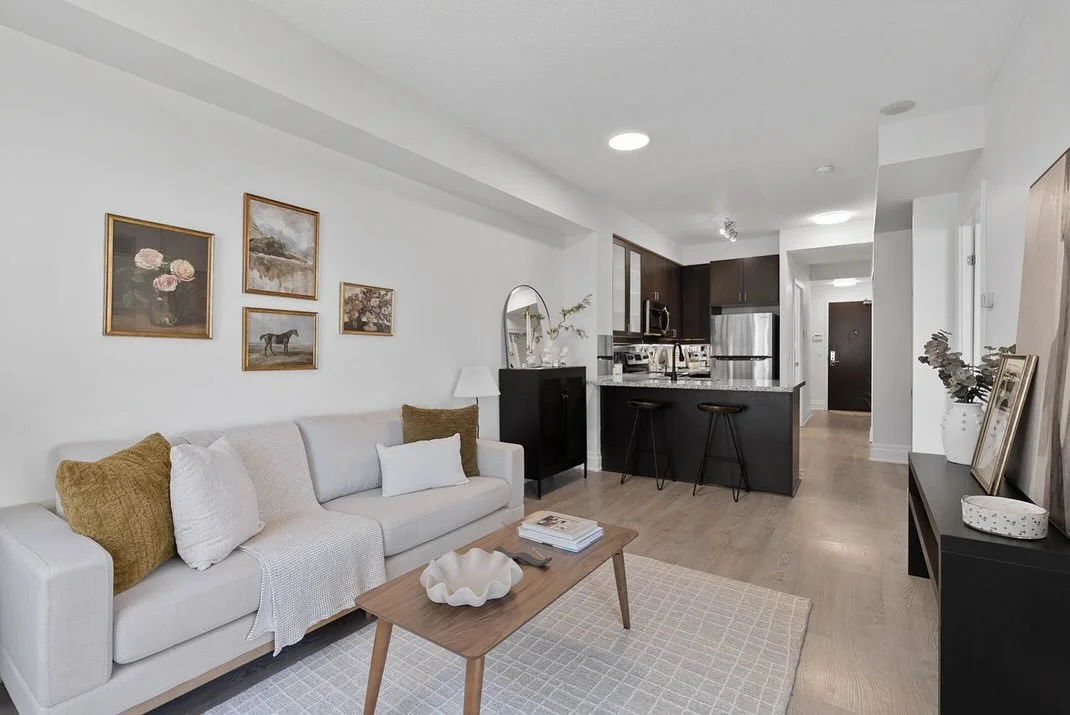
To ground this comparison in reality, I pulled two nearly identical units from the Bohemian Embassy in Queen West. They sit in the same building, share the same square footage, and fall within the same layout family, which makes this as close to a controlled real estate experiment as Toronto gets.
There’s an extra layer that matters here. The rental unit we’re using, #216, last sold in 2020 for $578,000. Four years later, a comparable unit in the building sold in 2025 for $525,000. Seeing a lower resale price for essentially the same product, years later, says a lot about where Toronto’s condo market has been sitting and how much it has shifted.
If you’re wondering when this part of the market might rebound, I broke that down in my blog on When Will Toronto’s Condo Market Rebound?
This Queen West example doesn’t just highlight the rent-versus-buy math, it also reflects the broader timing and opportunity in the current market cycle.
This is where the numbers stop being abstract and finally get interesting.
The Rental: 1171 Queen St W #216 ($2650/month)
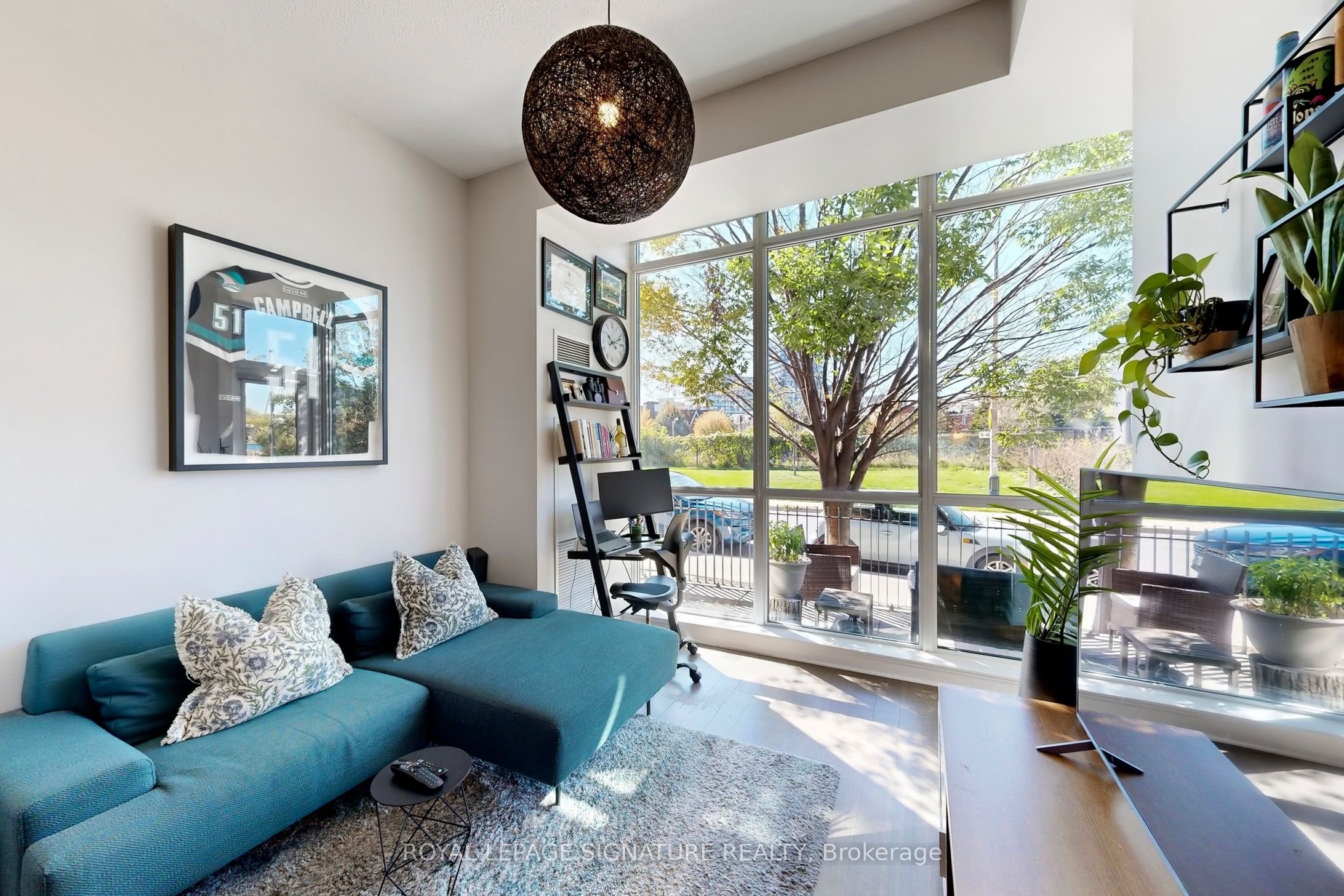
The unit was leased in October 2025 for $2,500 per month. Once you add hydro, internet, and tenant insurance, the realistic monthly carrying cost comes to approximately $2,650.
The Sale: 1171 Queen St W #312 ($525K)

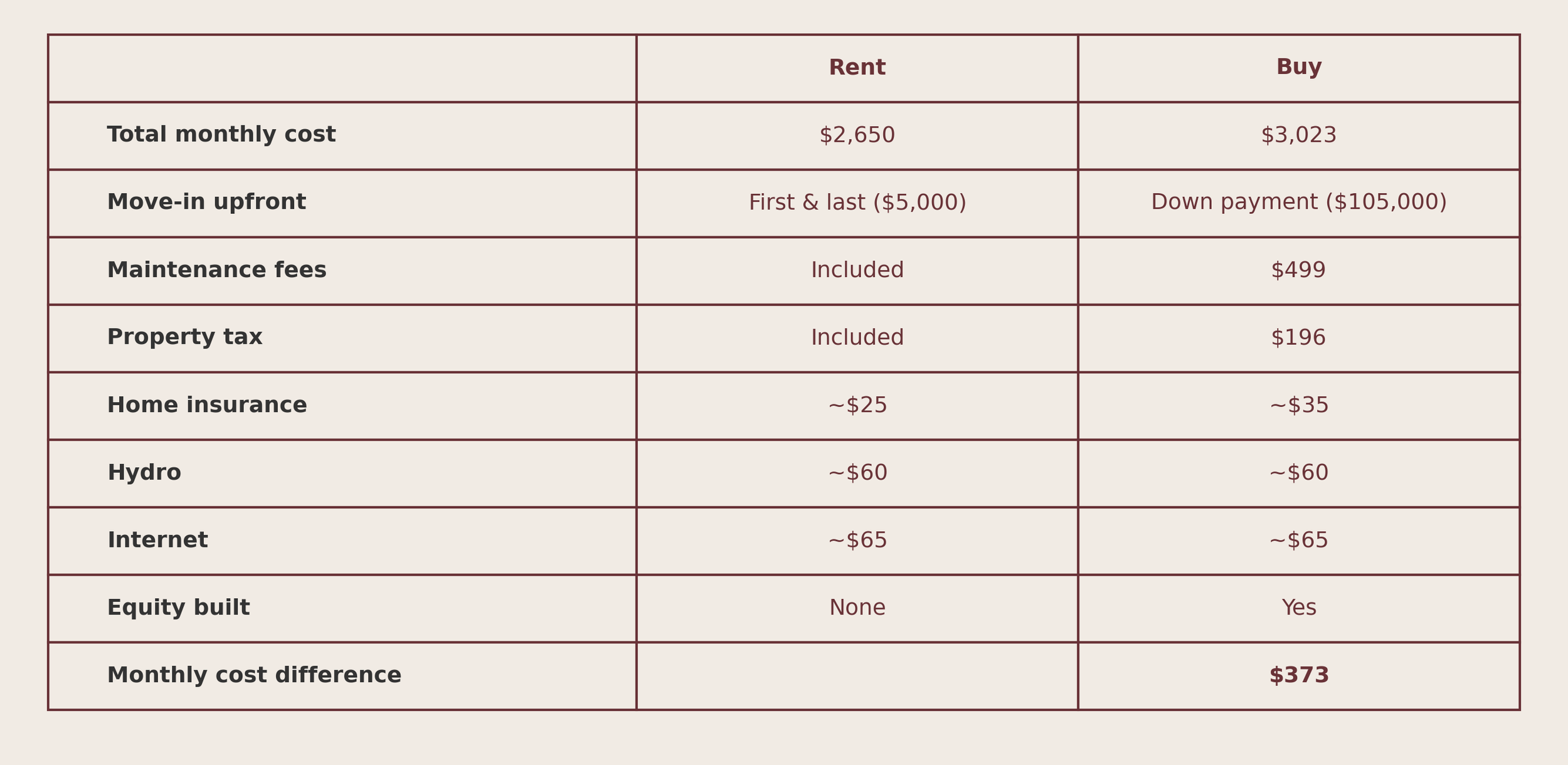
The comparable unit sold in June 2025 for $525,000. Its monthly carrying costs include $499 in maintenance fees, approximately $196 in property tax, about $35 for home insurance, and roughly $125 for utilities and internet.
With a 20 percent down payment and a 3.8 percent interest rate, the mortgage payment comes in around $2,168 per month for principal and interest. Altogether, the realistic total monthly carrying cost is about $3,023.
Renting is clearly cheaper on a monthly basis, but that’s not the whole story.
🏦 Rent VS. Own: A Queen West Condo Comparison
The Real Difference
When you boil it down, the real difference between these two paths is about $373 a month. On paper, it’s not dramatic. But what that $373 represents is very different depending on which side you’re on. For renters, it’s extra breathing room that can be invested and grown. For owners, it’s the premium paid to build equity and lock in long-term stability. It’s not about which option is “right,” it’s about what that extra cost is doing for you.
If you want a deeper dive into expenses buyers often overlook, check out my blog on the Hidden Costs of Buying in Toronto.
So Does Renting Or Buying Make More Sense in 2025?
Renting in Toronto in 2025: Renting is still the cheaper move month to month, and for once, Toronto renters actually have leverage. Prices have eased and competition has chilled, with asking rents hitting a 40-month low (Toronto Star). Landlords have stopped acting like they’re running their own personal version of The Bachelor. You can negotiate. You can walk away. You can choose a place because you want it, not because it was the only option left.
And here’s the upside that doesn’t get enough credit: renting gives you financial flexibility. If your monthly costs are lower, you can funnel the difference into ETFs, dividend stocks, or whatever investment strategy doesn’t make you break out in hives. A renter who invests consistently can build serious long-term wealth. It works. It’s real. It just requires discipline.
Of course, renting comes with strings. You’re not building equity. Your housing costs can shift. And your stability depends on someone else’s decisions, timelines, and occasional family drama. Every month, money leaves your account, and none of it comes back with a thank-you card.
Buying in Toronto in 2025: Buying asks more of you upfront. A real down payment, a higher monthly cost, and the emotional commitment of choosing your home instead of borrowing it. But you get something big in return: control. Your mortgage doesn’t wake up one day and raise itself. You build equity every single month. And you anchor yourself to an asset that, over time, has historically gone up in value even when it takes short-term dips like the moment we’re in now.
And here’s the part that gets skipped in TikTok finance discourse: smart homeowners still invest. Buying a home shouldn’t wipe out your entire financial life. Ideally, you still leave enough room to contribute to your TFSA, buy ETFs, and diversify your portfolio. Homeownership is one layer of wealth-building, not the whole strategy.
Then there’s the human side. Some people, like Kyla, who did everything right as a renter and still got denied for a place she could easily afford (Toronto Star story). For them, buying isn’t about “winning the math,” it’s about stability, autonomy, and knowing their housing is never one landlord mood swing away from chaos.
There is no single “right” answer. There is only the answer that fits your life, your tolerance for risk, and your version of future security.
So the real question is:
Do you want flexibility and investment freedom?
Do you want stability and equity growth?
Or do you want a mix of both, where you own your home and still invest consistently?
All of those paths are valid. Your job is picking the one that gets you closer to the life you actually want.
Let’s Make Your Toronto Housing Plan Make Sense
If you’re trying to figure out whether you should rent, buy, invest, wait, upgrade, or finally stop doom-scrolling MLS every night, I can help you run your actual numbers and get clarity without the chaos.
Whether you want:
a rent-versus-buy breakdown based on your real financials
a first-time buyer strategy session
a clear picture of what you can afford
advice on whether 2025 is the right time for you
or someone who speaks like a human and not a mortgage pamphlet
I’ve got you. Send me a message or book a call and let’s build your Toronto housing strategy with intention instead of vibes. You don’t need to guess your way through this market. Not when you have me.
—————————————————————————————————————————————————-
Quick FAQ: Rent or Buy in 2025 (& 2026)
Is it cheaper to rent or buy in Toronto right now?
In most cases, renting is still cheaper month to month, especially in buildings where resale values have softened. But cheaper does not always mean better. Renting gives you flexibility and frees up cash to invest, while buying builds equity and stabilizes your long-term housing costs. The right answer depends on your financial comfort and your long-term goals.
Is the Toronto real estate market going to rebound?
Yes, but timing is the wildcard. Prices in the condo market dipped between 2020 and 2024, which created rare opportunities for first-time buyers. Historically, Toronto recovers faster than people expect. If you want the longer breakdown, I covered it in my “When Will the Market Rebound?” blog.
Can renting and investing really beat buying?
It can, but only if you are consistent. Renting frees up money. Investing that extra cash in ETFs or diversified portfolios can absolutely build wealth over time, but only if you actually invest it and not let it disappear into Uber Eats and Sephora. The math only works if you stick with it.
Does buying still make sense if prices dipped recently?
Yes. A softer market means you are buying at a discount compared to peak pricing. If your plan is long-term ownership, temporary dips become opportunities. Plus, every month you own, you’re building equity instead of building your landlord’s.
How much do I need for a down payment in Toronto?
For properties under $500,000, the minimum is 5 percent. Once you hit the mid-$500s like our Queen West example, you’re usually looking at 10 percent minimum. Many buyers choose 20 percent because it avoids CMHC insurance and lowers your borrowing costs. The right amount depends entirely on your financial strategy.
What’s better for stability, renting or buying?
Buying wins every time. When you own, no one is telling you to move, raise the rent, or list the unit next month. Renters deal with unpredictable landlords, limited control, and constant competition. Homeownership gives you stability, predictability, and a sense of permanence you simply can’t replicate while renting.
Is now a bad time to buy if interest rates are high?
Rates are higher than they were during the pandemic, but they’re not historically high. What matters more is affordability, your income, and your comfort with payments. Plenty of buyers succeed in higher-rate environments by locking in smart terms and budgeting properly.
How do I know which option is right for me?
If you value flexibility, mobility, or aggressive investing, renting can be the better fit. If you want long-term stability, equity growth, and control over your home, buying makes more sense. The best way to find your answer is by looking at your real numbers, not guesswork.