Not all lofts are created equal. In Toronto, the word "loft" gets used generously. Some properties earn the label because they have a brick accent wall and a floating shelf from West Elm. Others are the real thing. They have height, history, structure, and presence.
If Wrigley handed out a stick of Juicy Fruit for every Toronto condo that calls itself a loft, you'd never need to buy gum again.

The west end gets all the loft mythology. Candy Factory, Tip Top Tailors, Feather Factory — the names practically market themselves. But the east end built its industrial identity on chewing gum, vinegar, cigar boxes, and the CBC. And if you know where to look, the bones are just as good.
Over the past 365 days, I analyzed the average price per square foot for 10 of Toronto's most iconic east end hard loft buildings, using recent sold data from buildings across Corktown, Riverside, Leslieville, South Riverdale, Regent Park, and Riverdale. I ranked them from highest to lowest to see what buyers are actually paying for authentic brick-and-beam loft living east of the Don.
Before the ranking, it's worth explaining how these buildings were selected.
WHAT MAKES A TORONTO HARD LOFT ICONIC?
Every building on this list was intentionally selected based on three criteria that, in my opinion, define an icon hard loft.
1. TRUE LOFT PROPORTIONS
The space must have meaningful ceiling height, open layouts, and structural elements that create real volume. If a unit feels segmented, compressed, or overly condo-like, it did not qualify.
2. AUTHENTIC CONVERSION WITH HISTORY
If it was once a chocolate factory, a church, a glove factory, or a warehouse, that past should still be visible in the bones of the building. These spaces were not designed to imitate character. They earned it.
3. THE “IT” FACTOR
This is about uniqueness. It is the architectural detail that makes a building instantly recognizable in the market. It might be cathedral ceilings, spiral staircases, arched warehouse windows, massive timber beams, or unusual layouts. It is the aesthetic distinction that makes buyers remember the building long after they leave.
The result is a ranked list of Toronto's best east end hard loft buildings based on what they have actually traded for per square foot over the past year. Some prices will confirm what you expected. Others may shift your perspective.
2026 East End Hard Lofts: Price Per Square Foot Ranking
| Rank | Building | Address | Neighbourhood | Avg $/SqFt |
|---|---|---|---|---|
| 1 | Queen City Vinegar Co. Lofts | 19 River St | Corktown | $1,096 |
| 2 | Printing Factory Lofts | 201 Carlaw Ave | Leslieville | $1,003 |
| 3 | Broadview Lofts | 68 Broadview Ave | Riverside | $980 |
| 4 | Brewery Lofts | 90 Sumach St | Corktown | $973 |
| 5 | Glebe Lofts | 660 Pape Ave | Riverdale | $925 |
| 6 | i-Zone Lofts | 326 Carlaw Ave | Leslieville | $921 |
| 7 | Wrigley Lofts | 245 Carlaw Ave | Leslieville | $883 |
| 8 | Boiler Factory Lofts | 189 Queen St E | Downtown East | $870 |
| 9 | Tannery Lofts | 736 Dundas St E | Regent Park | $828 |
| 10 | Evening Telegram Lofts | 264 Seaton St | Cabbagetown | $757 |
QUEEN CITY VINEGAR CO. LOFTS
📍 19 River St
Neighbourhood: Corktown
Avg $1,096 per square foot
BUILDING HISTORY & LOFT DETAILS
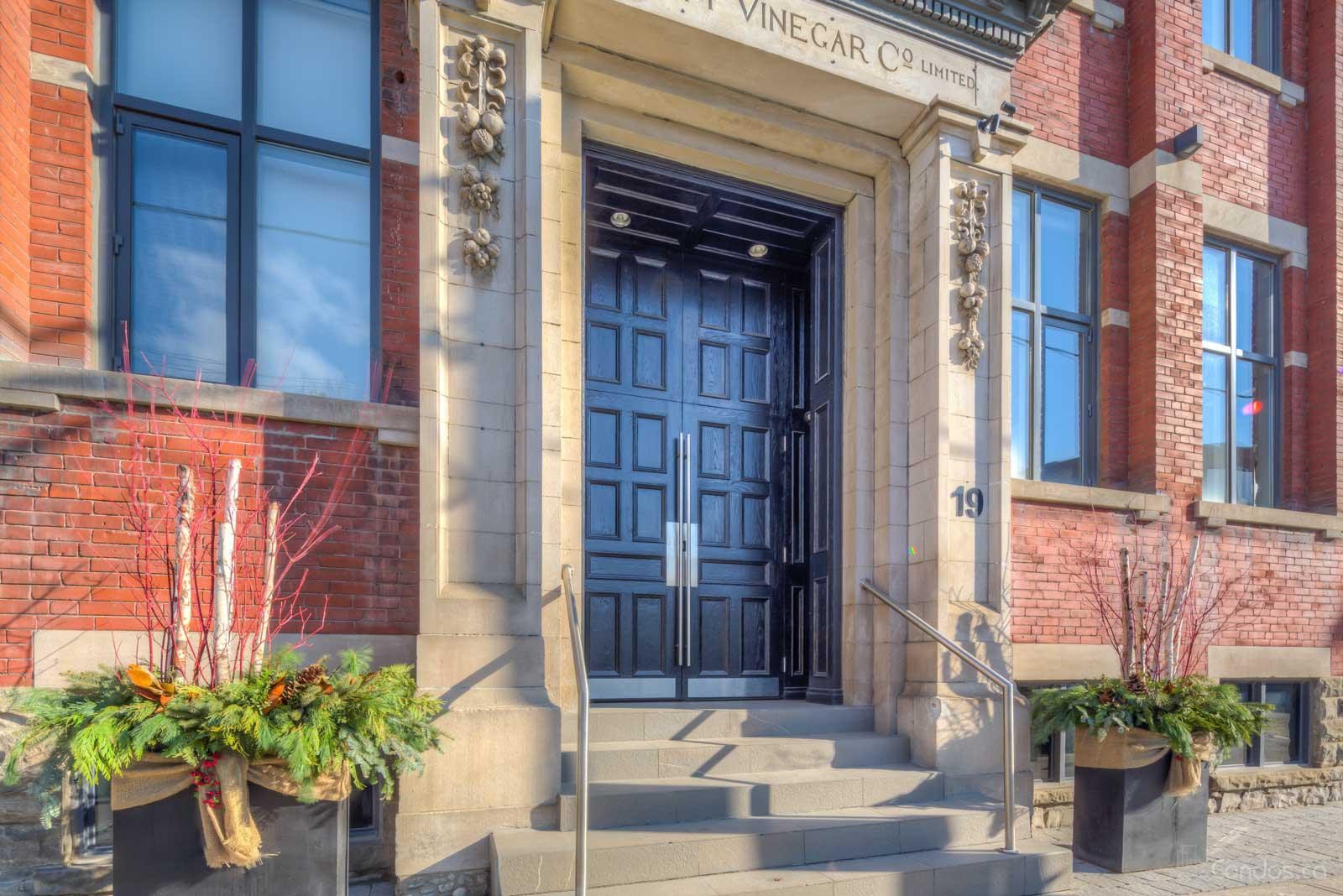
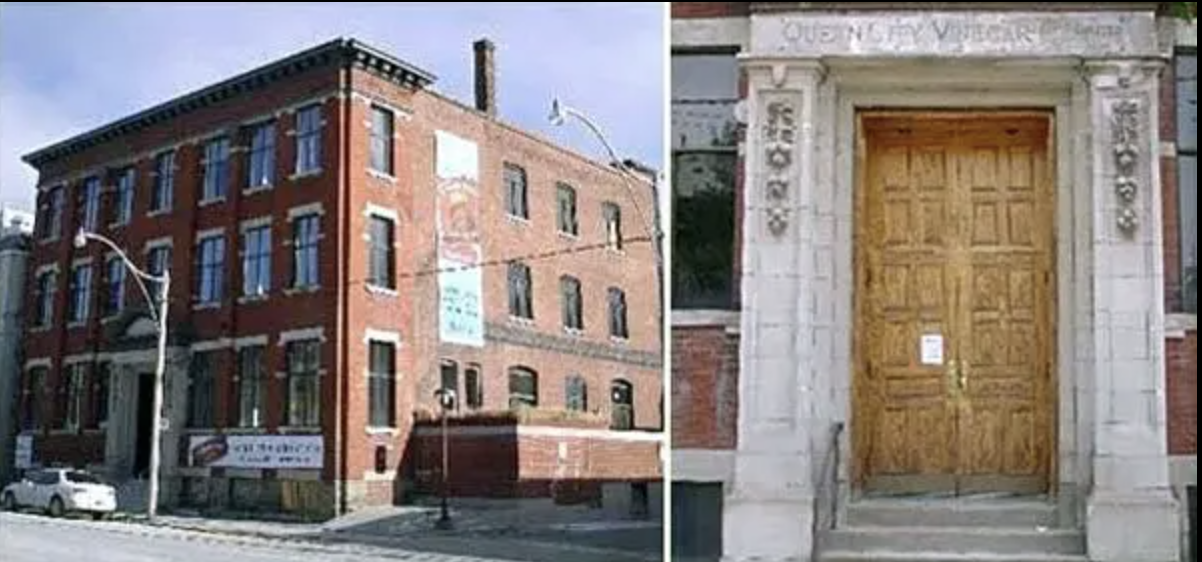
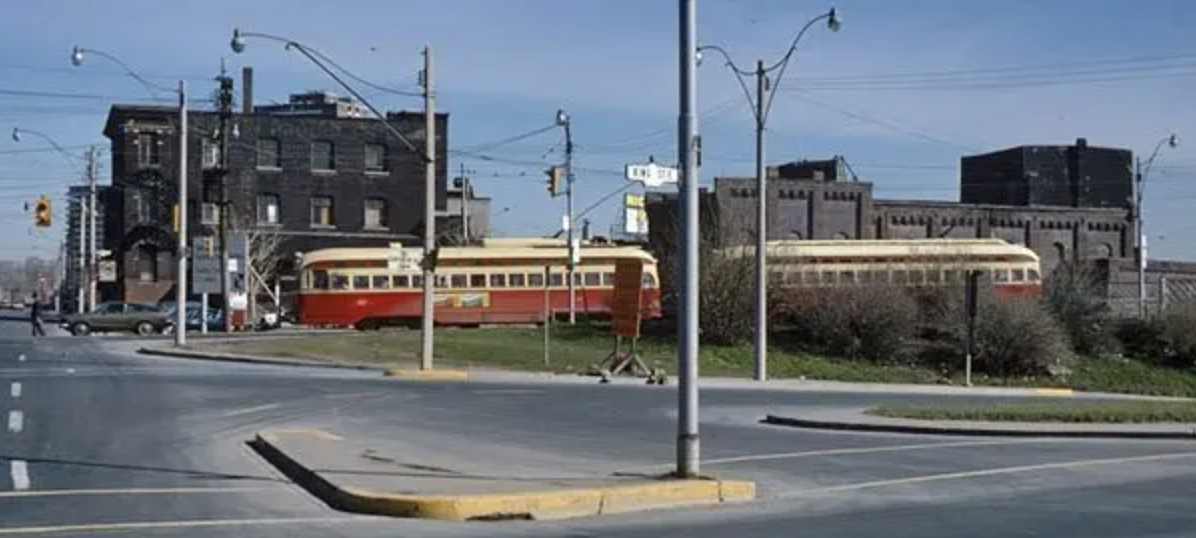
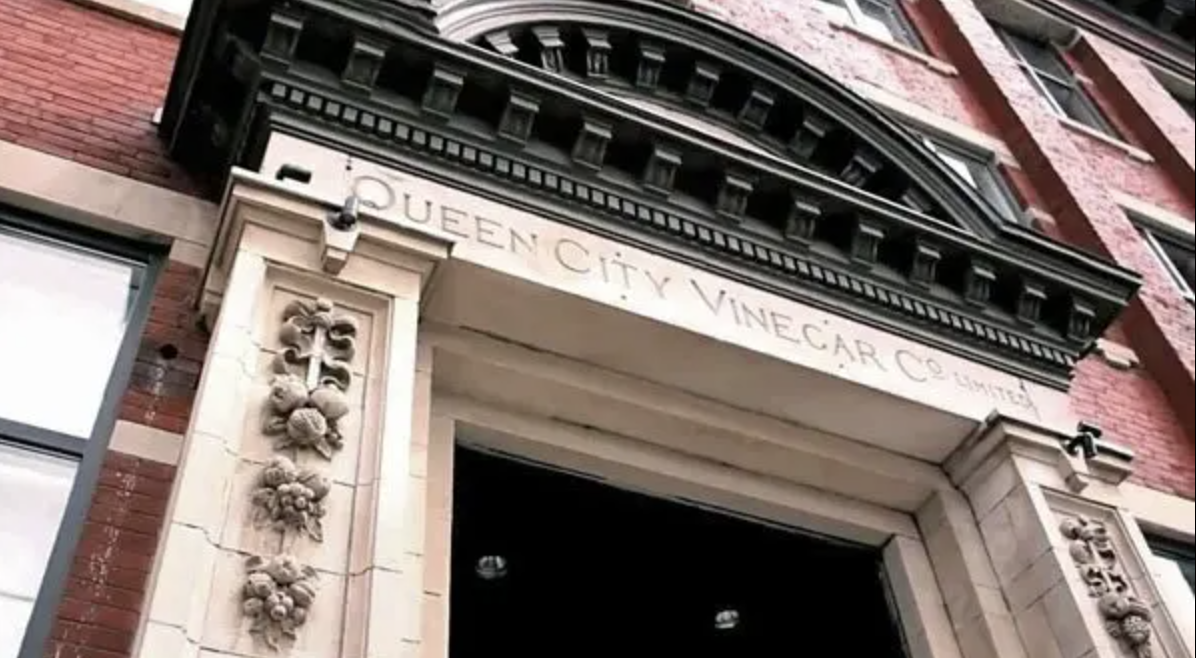
The building at 19 River Street was constructed in 1907 and 1908 for the Queen City Vinegar Company, an operation that may have had ties to the adjacent Dominion Brewery complex. Vinegar and brewing share more history than you might expect, and malt vinegar was a natural byproduct of the same industrial corridor. The three-storey Edwardian factory was built with the seriousness that era brought to industrial architecture: red brick façade, arched entryways, and elegant cornices designed to last longer than anyone planned for.
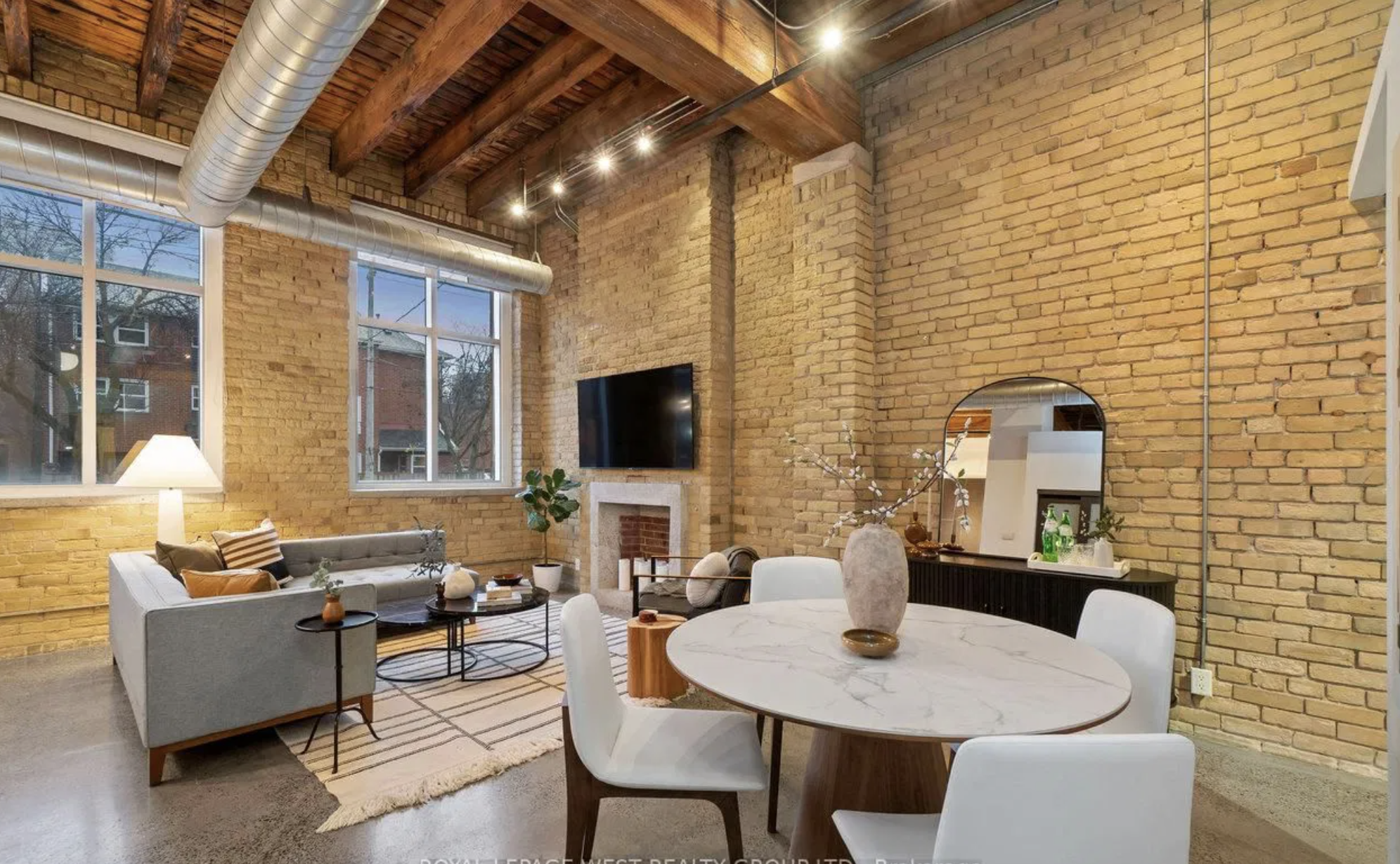
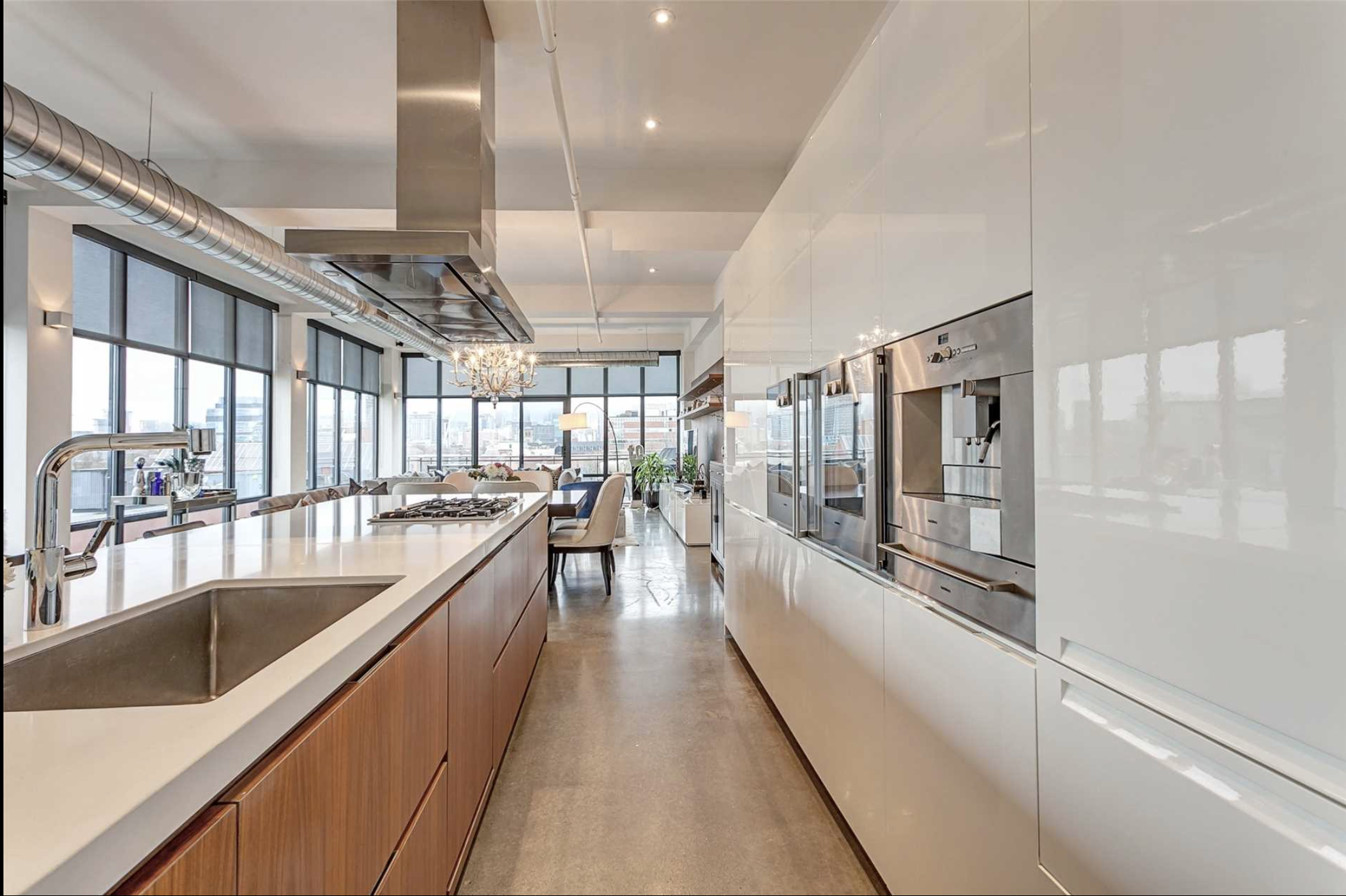
Streetcar Developments acquired and converted the building in 2008–2009, creating 38 units by preserving the original three floors and adding two new storeys of glass and steel on top. The original floors retain exposed wooden beams, sandblasted brick walls, and oversized warehouse windows. The new floors used reclaimed brick from the original building in their interior walls, an attempt to maintain authenticity up through the addition rather than treating the heritage floors as a base and the new floors as an afterthought.
With only 38 units on River Street, just steps from the Distillery District and Corktown Common, the Queen City Vinegar Co. Lofts trade primarily on rarity and location. The unit sizes run from approximately 624 to 1,030 square feet, smaller than most of the Carlaw Avenue buildings, which makes them accessible to a wider buyer pool. The building has no gym, no concierge, and no party room. What it has is a century of Edwardian industrial architecture and one of the best east-end addresses in the city.
And apparently, the market agrees. At $1,096 per square foot, the Queen City Vinegar Co. Lofts top this entire list, beating the CBC building, beating Broadview, and beating every building on Carlaw. A 38-unit vinegar factory on River Street is the most expensive hard loft address in Toronto's east end. That is a sentence worth reading twice.
*Limited sales volume due to low unit count. Directional average
KEY FACT
//
KEY FACT //
Original Use: Queen City Vinegar Company factory
Built: 1907
Converted: 2009
Storeys: 5
Units: 38
Unit Size Range: 624 sqft – 1,030 sqft
Market Personality:
Boutique Corktown hard loft with Edwardian bones, limited supply, and a location that keeps getting better as the surrounding neighbourhood matures. Leads the east end in price per square foot.
Buyer Profile:
Design-forward buyers who want authentic character and a walkable Corktown address in a building small enough that they'll know their neighbours.
Architectural Details:
• Preserved Edwardian brick façade with arched entryways
• Oversized warehouse windows
• Reclaimed brick used in new-floor interiors
• Glass and steel addition
Amenities:
• Underground parking
• Steps to Corktown Common
PRINTING FACTORY LOFTS
📍 201 Carlaw Ave & 34–56 Boston Ave
Neighbourhood: Leslieville / South Riverdale
Avg $1,003 per square foot
BUILDING HISTORY & LOFT DETAILS
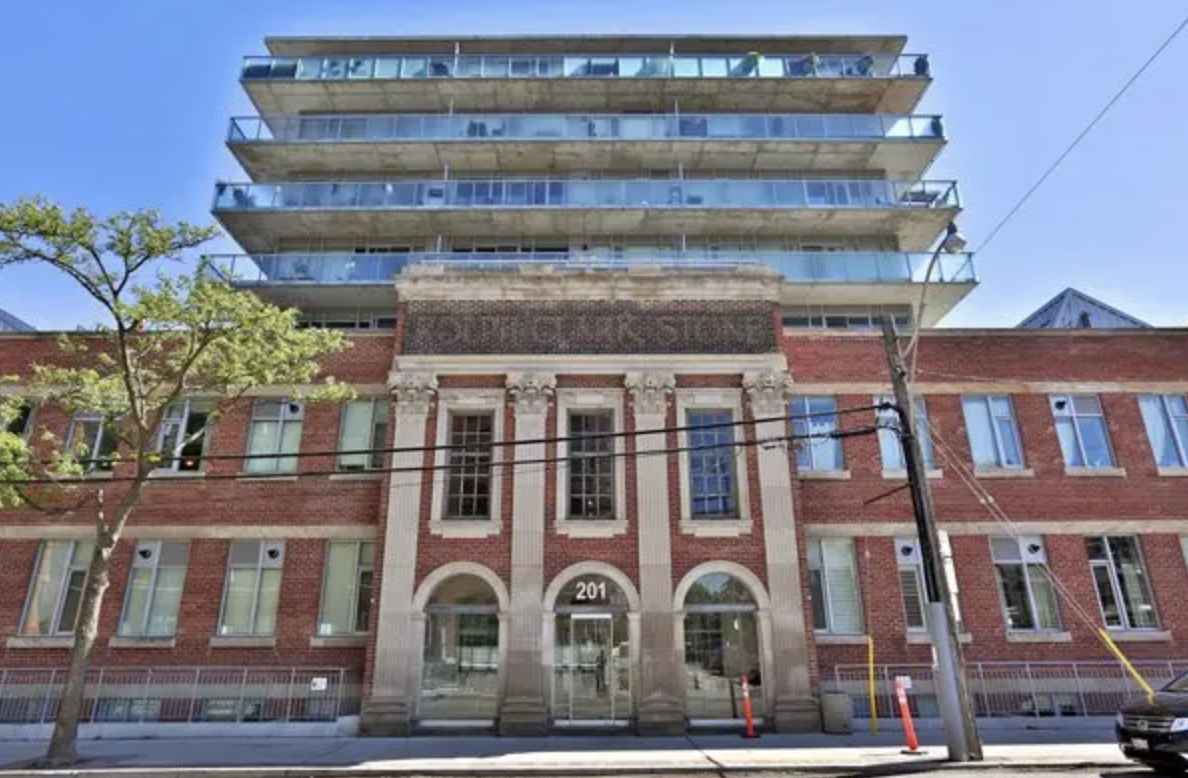
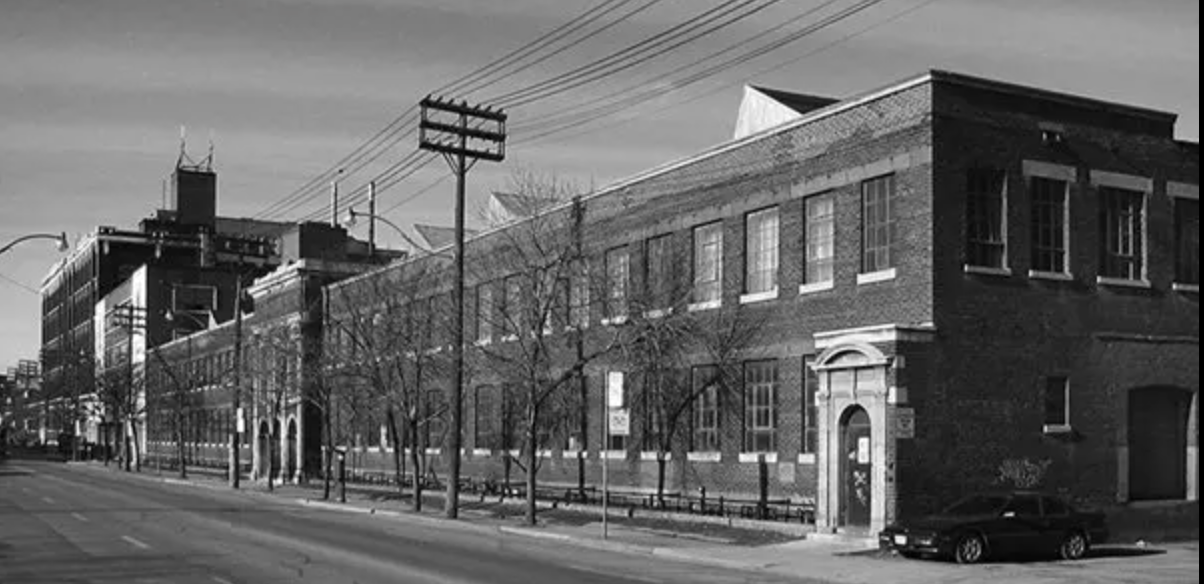
201 Carlaw was constructed in 1913 for Rolph Clark Stone, a printing and publishing company whose name is still carved in stone above the building's original arched entryway. It was a full working industrial printing facility in what was then a dense manufacturing corridor running along Carlaw Avenue, the same stretch that would eventually become the most loft-dense block in Canada.
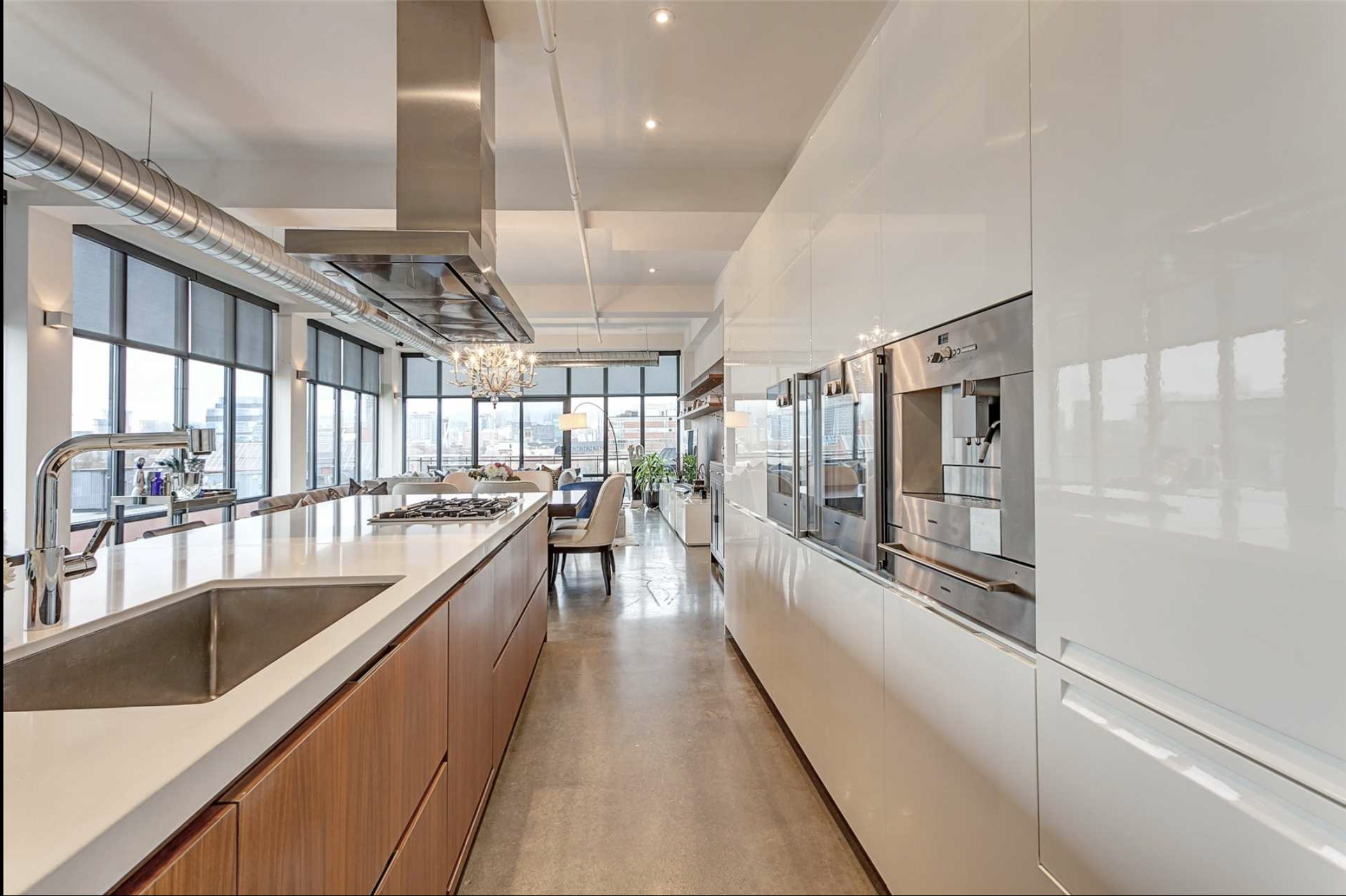
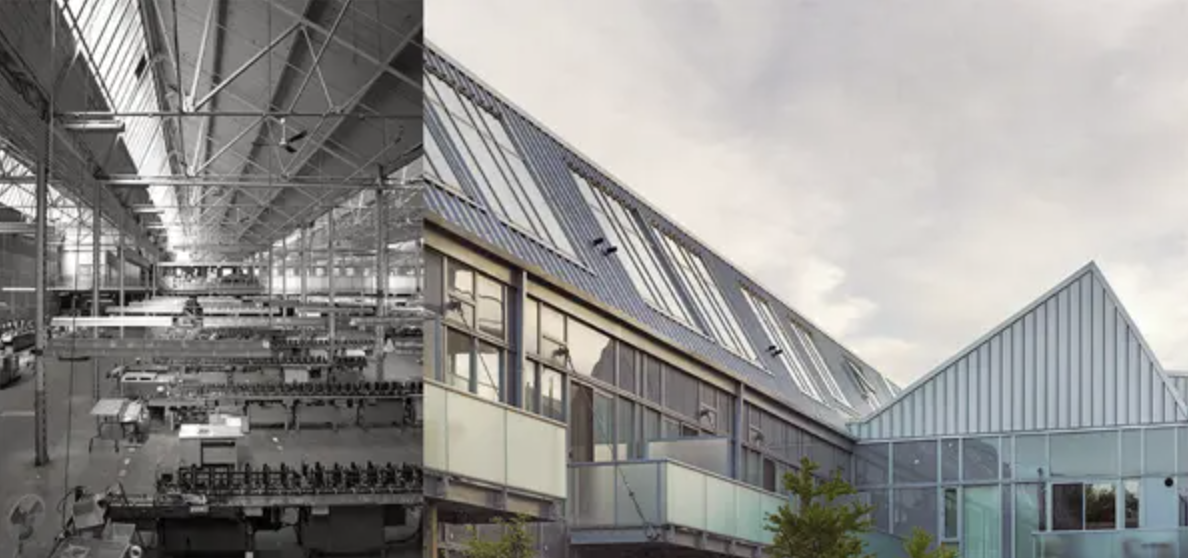
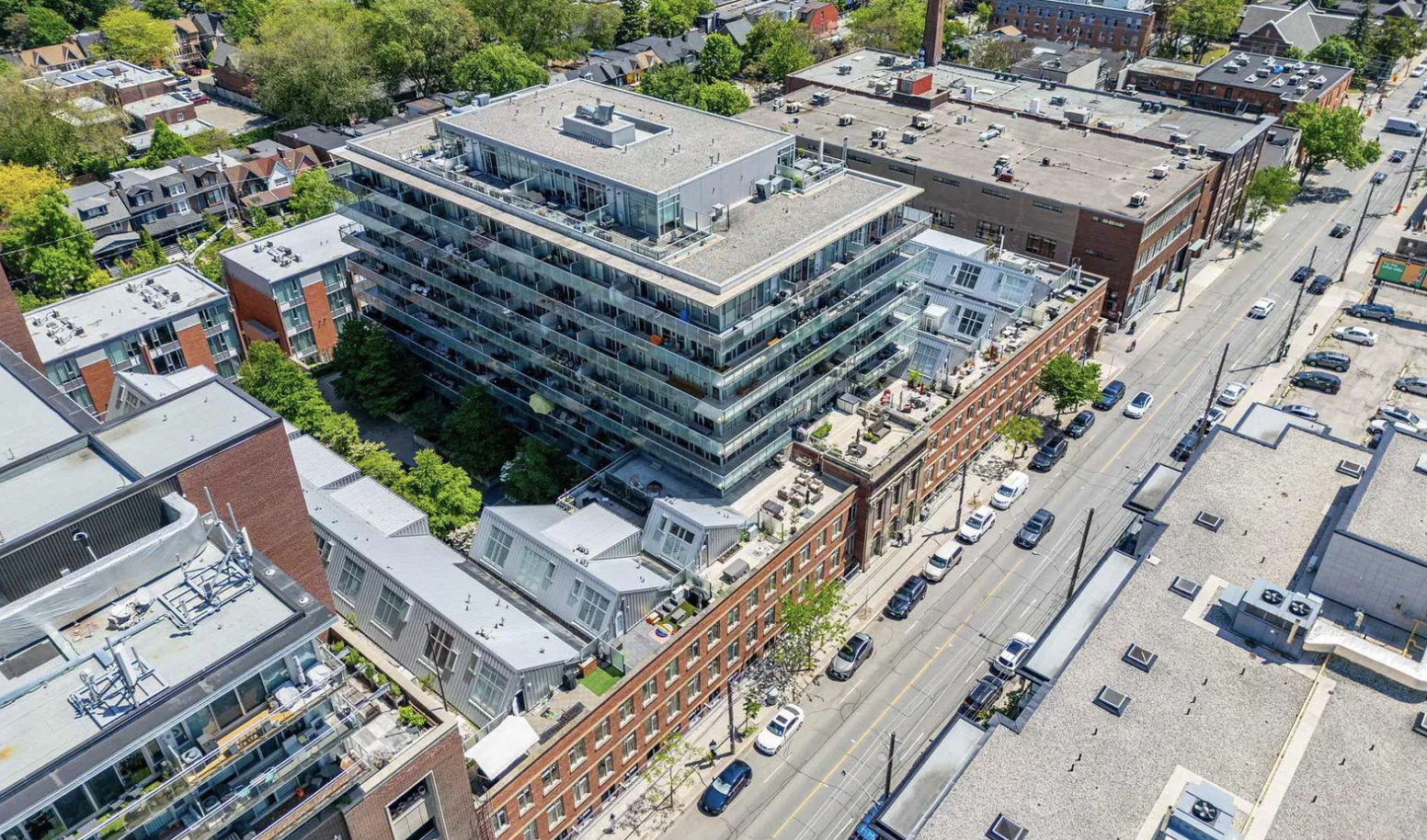
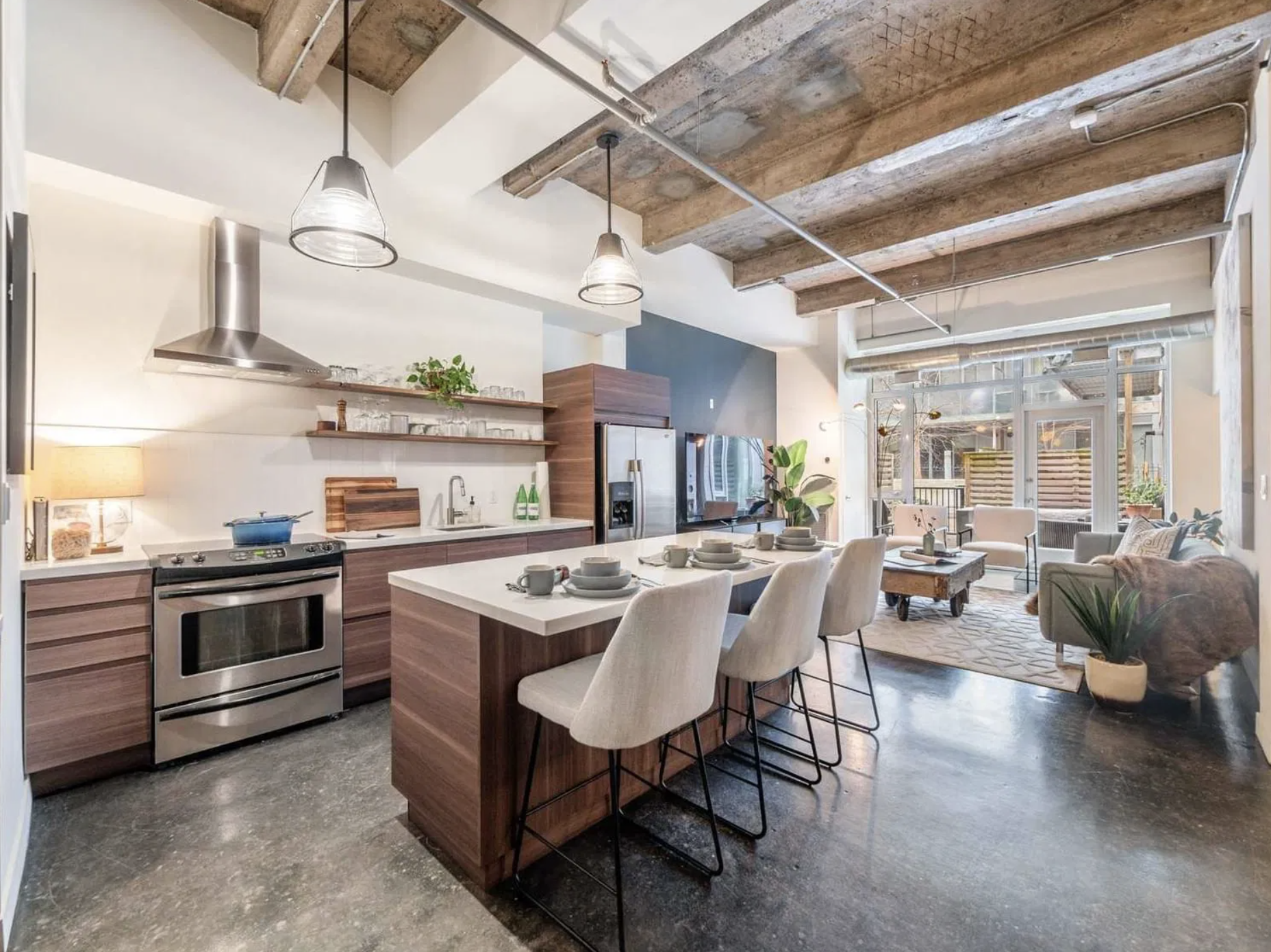
The Printing Factory Lofts was an ambitious hybrid project: the original three-storey heritage factory was preserved and converted, then connected to a newly constructed eight-storey glass tower and a row of stacked townhouses along Boston Avenue. That structure creates two genuinely distinct products under one address. The heritage podium units, specifically the ones in the original 1913 building, have exposed brick, timber and concrete beams, original industrial skylights incorporated into the ceiling plane, and dramatic two-storey "sky loft" configurations with ceiling heights reaching 24 feet. Those skylights are irreplaceable. No glass wall renovation delivers overhead light the way a factory roof opening does.
The tower units are a different product: modern soft loft finishes, balconies, and cleaner industrial aesthetics. They are not without appeal, but buyers who want the hard loft experience should be shopping the podium specifically.
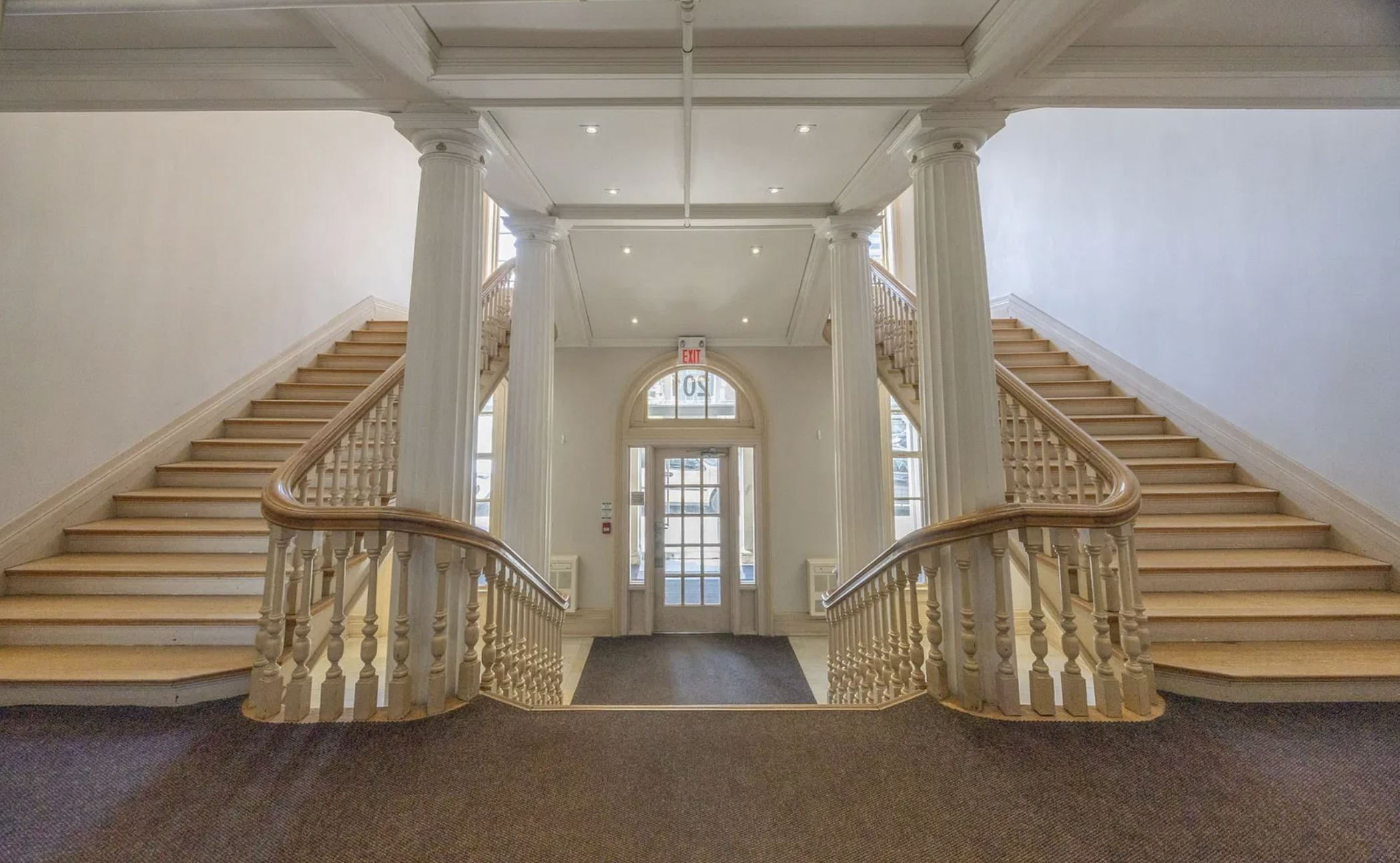
The grand wooden staircase and vaulted ceilings at the heritage entrance announce the building's age before you step inside. At 256 units total, the Printing Factory trades with more liquidity than most boutique east-end conversions, which is part of its appeal for buyers who want authenticity without the illiquidity risk of a 12-unit building.
At $1,003 per square foot, the Printing Factory sits just above the $1,000 mark, reflecting the heritage podium's credibility and the building's rare combination of authentic industrial bones and reliable resale liquidity on one of Toronto's most interesting streets.
KEY FACTS
//
KEY FACTS //
Architectural Details:
• Grand wooden staircase and vaulted entrance lobby
• Exposed timber and concrete beams in heritage section
• Original brickwork and carved stone entryway
• Industrial skylights built into two-storey podium units
Amenities:
• Gym
• Party/meeting room
• BBQs and courtyard
• Visitor parking
• Bike storage
• Rooftop deck and garden
• Concierge
Original Use: Rolph Clark Stone printing and publishing factory
Built: 1913
Converted: 2010
Storeys: 3 heritage podium + 8 tower
Units: 256
Ceiling Heights: 8.5 ft standard to 24 ft in sky loft configurations
Unit Size Range: 450 sqft – 1,550 sqft
Market Personality:
Heritage podium units trade as genuine hard lofts with strong architectural credibility. Tower units are a different product. Know which side of the building you're buying into.
Buyer Profile:
Design-conscious professionals who want industrial heritage and strong transit access in a building with enough liquidity that resale is never a worry.
BROADVIEW LOFTS
📍 68 Broadview Ave
Neighbourhood: Riverside
Avg $930 per square foot
BUILDING HISTORY & LOFT DETAILS
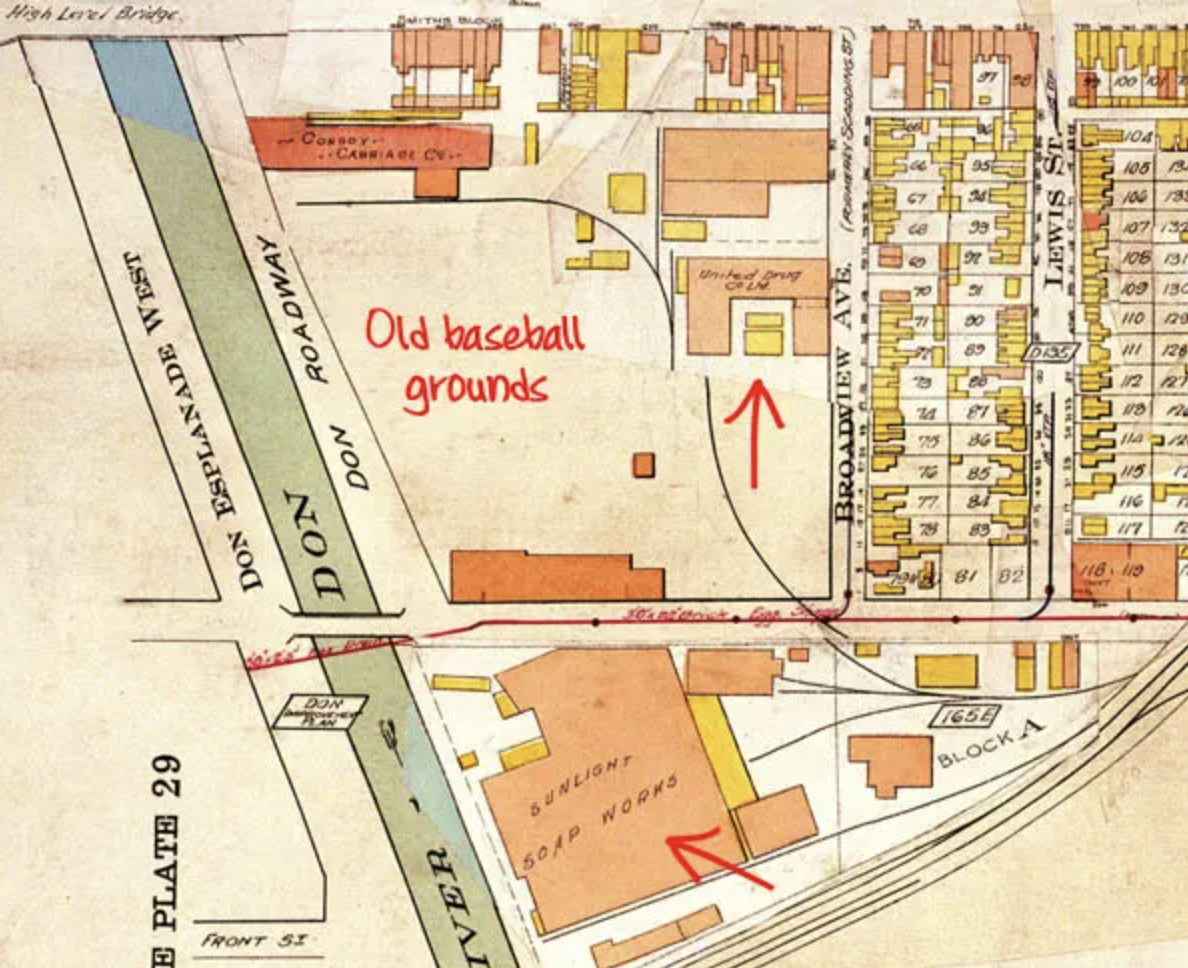
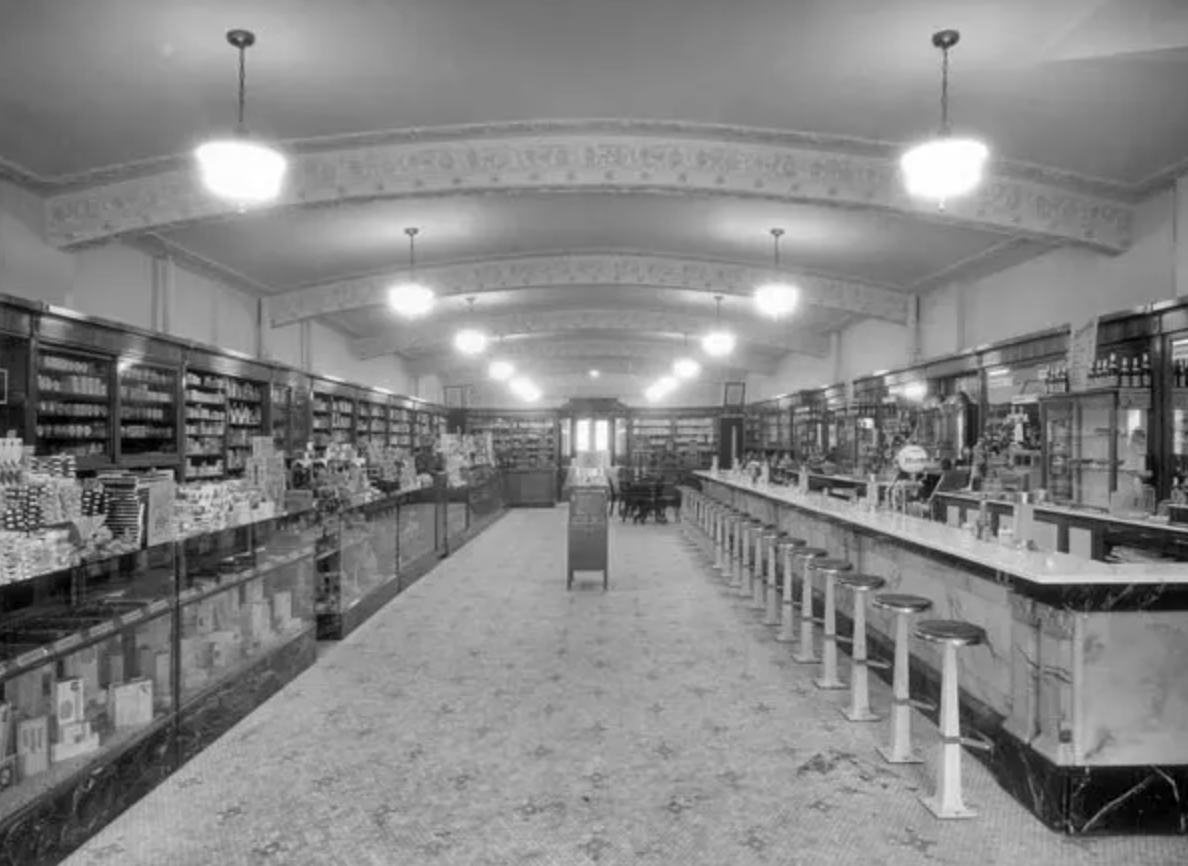
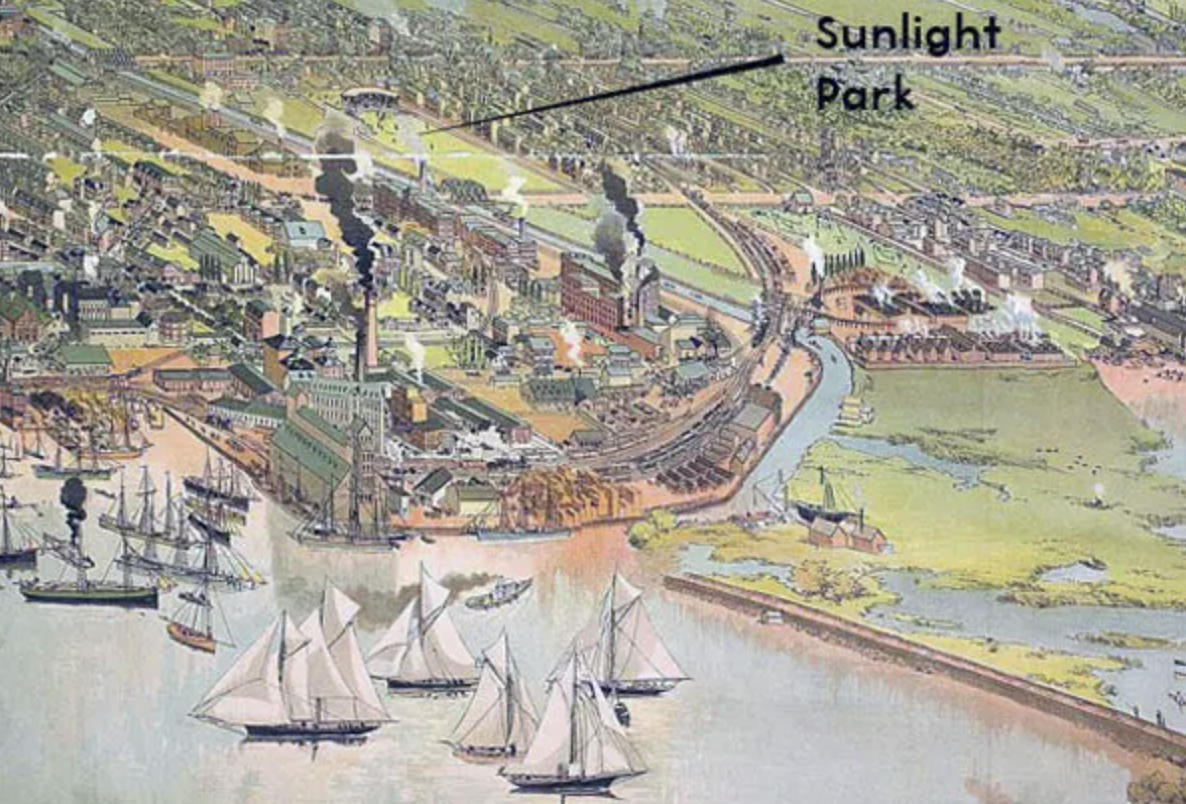
The land under the Broadview Lofts has had three lives. First it was a baseball diamond. Then a pharmacy warehouse. Then one of the best loft conversions in the city.
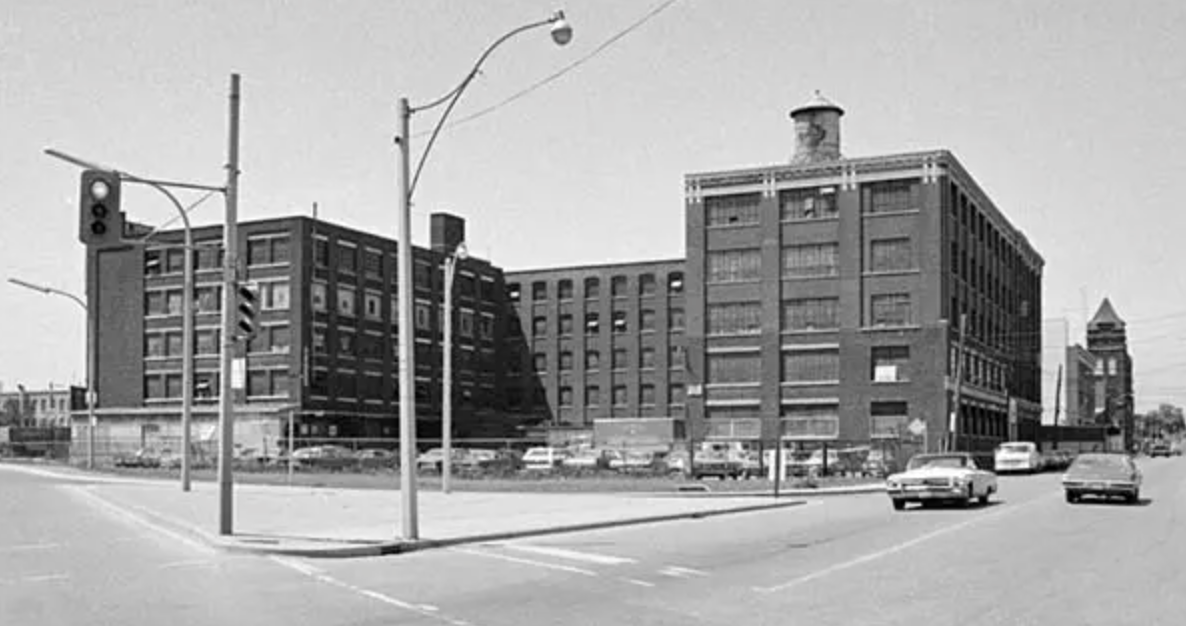
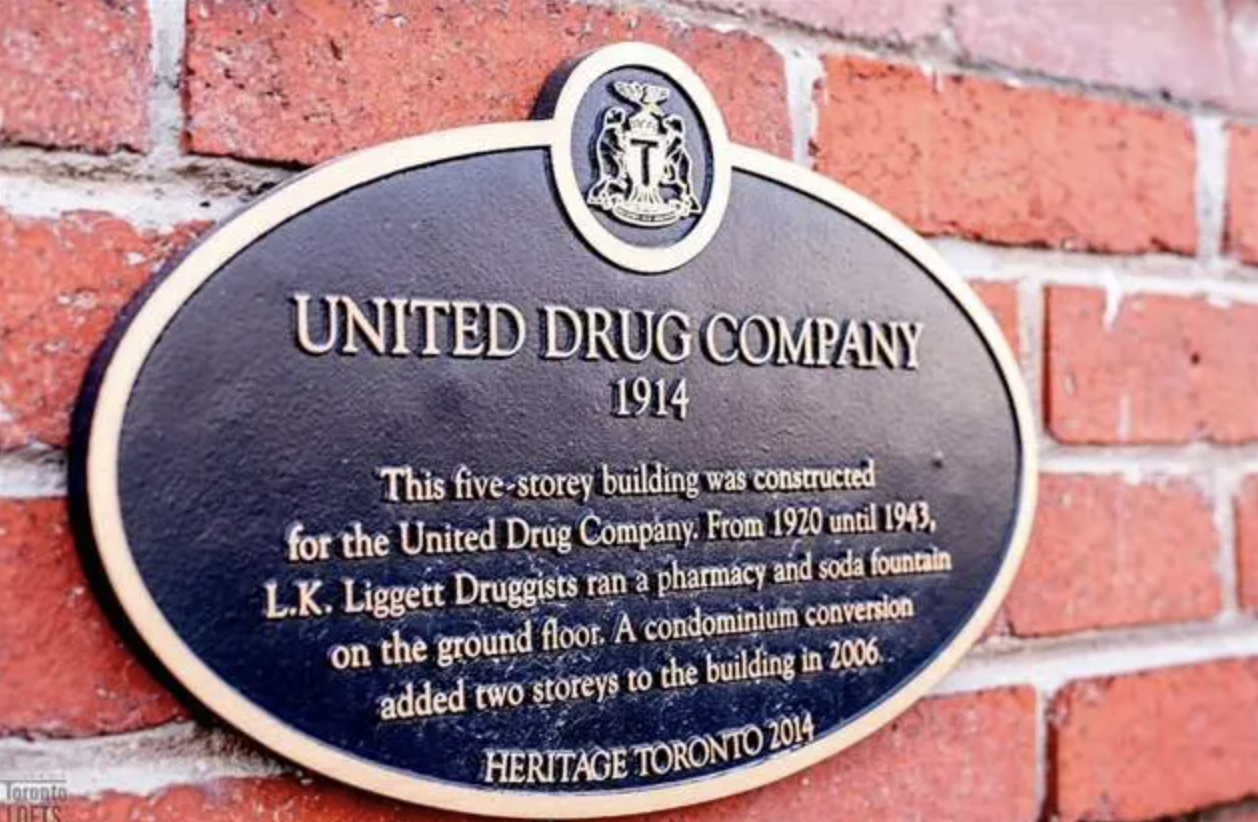
Sunlight Park, Toronto's first baseball stadium, opened on this site in 1886 with grandstand seating for 2,200. It closed around 1913 as the neighbourhood industrialized, and by 1914 United Drug Company had built a five-storey pharmaceutical warehouse in its place, later operating under the Rexall trade name.
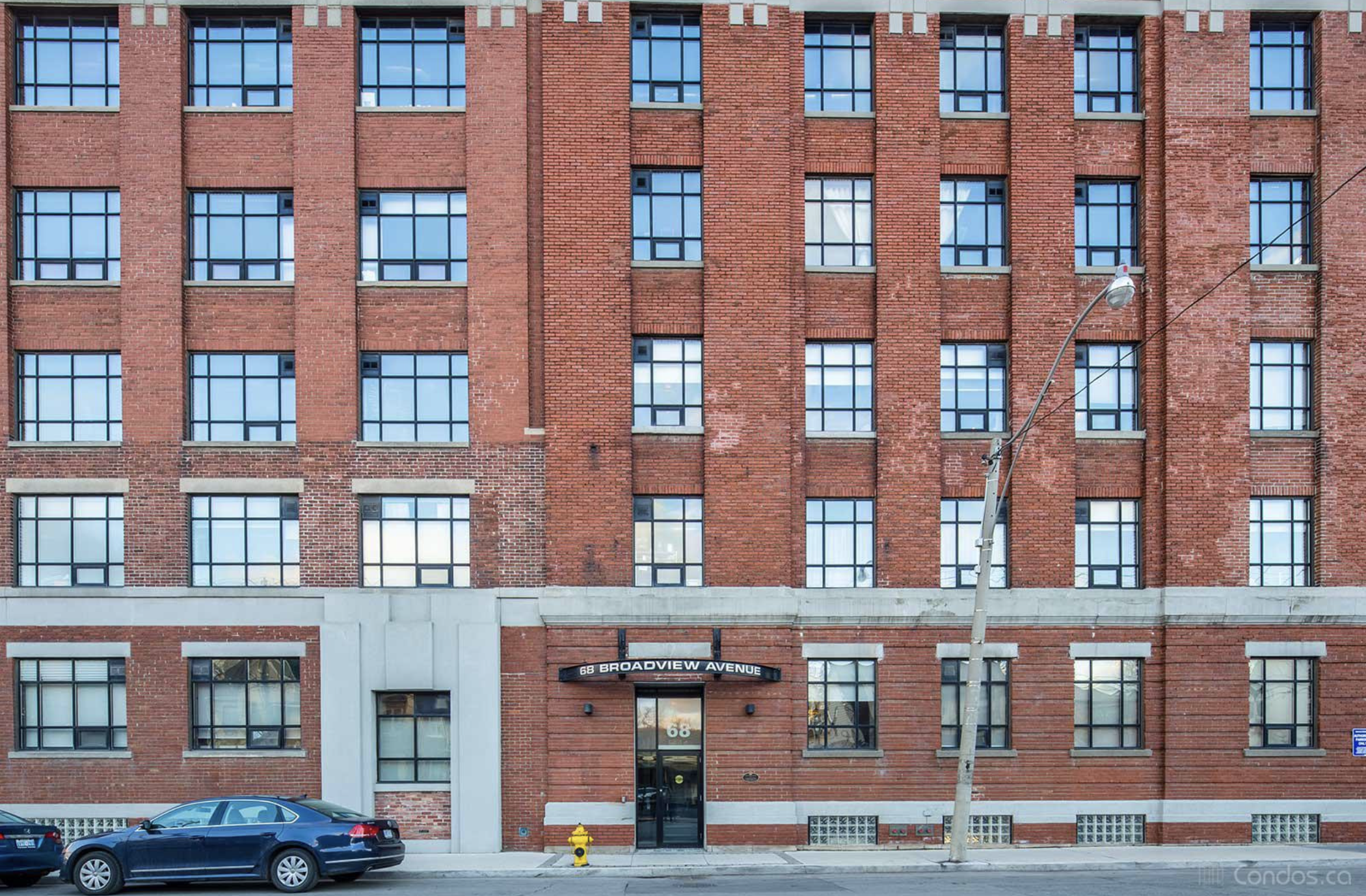
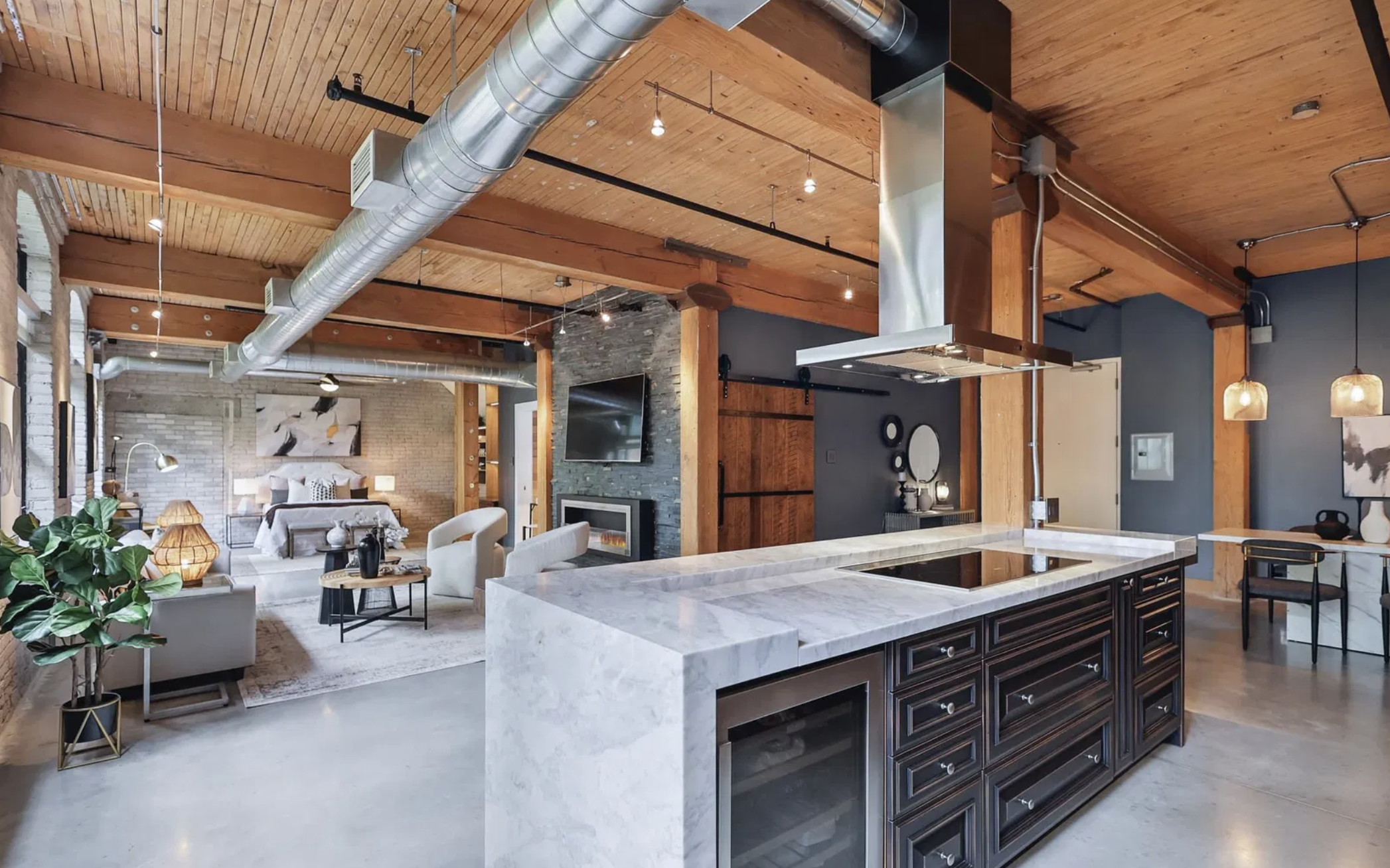
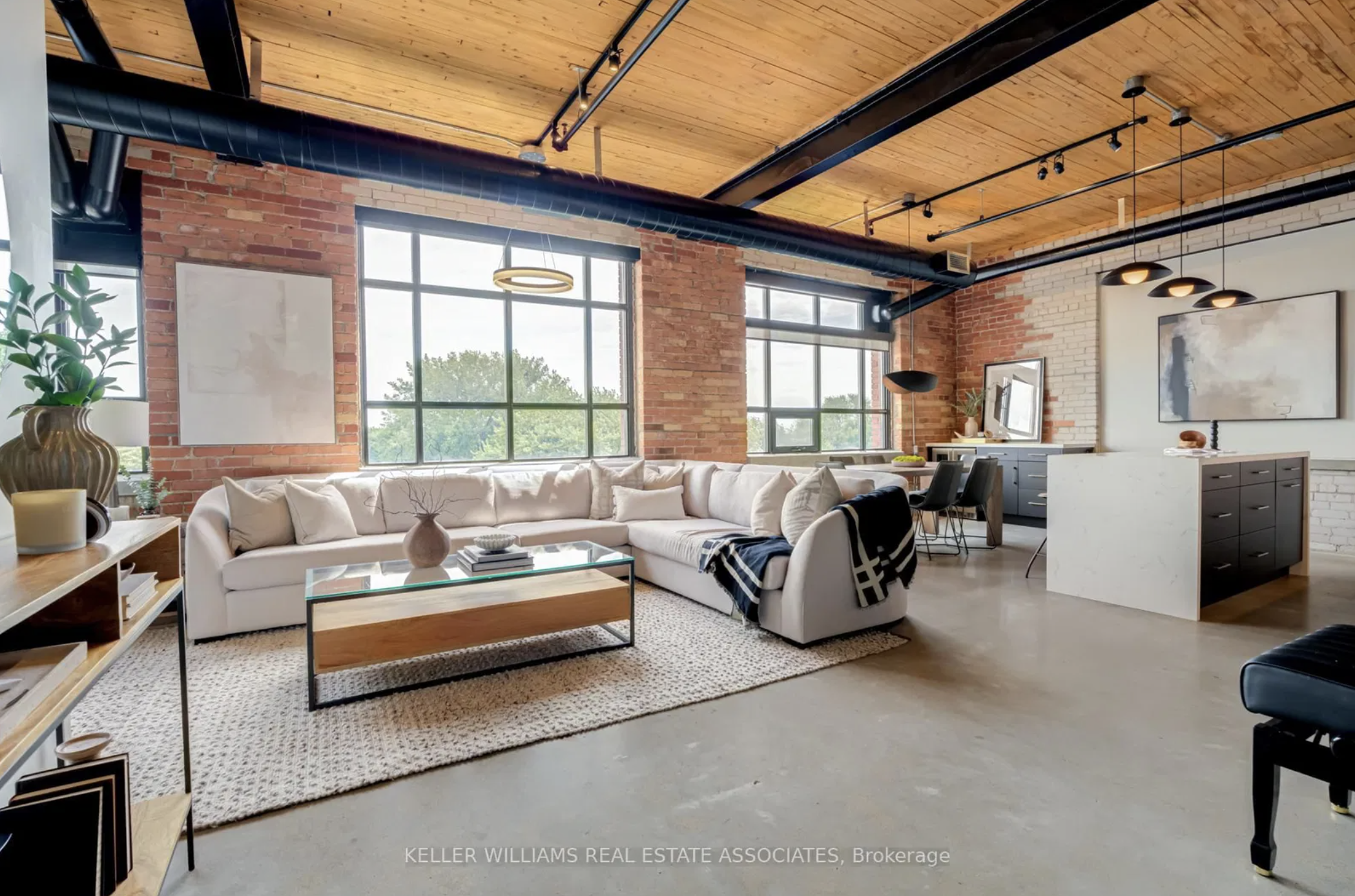
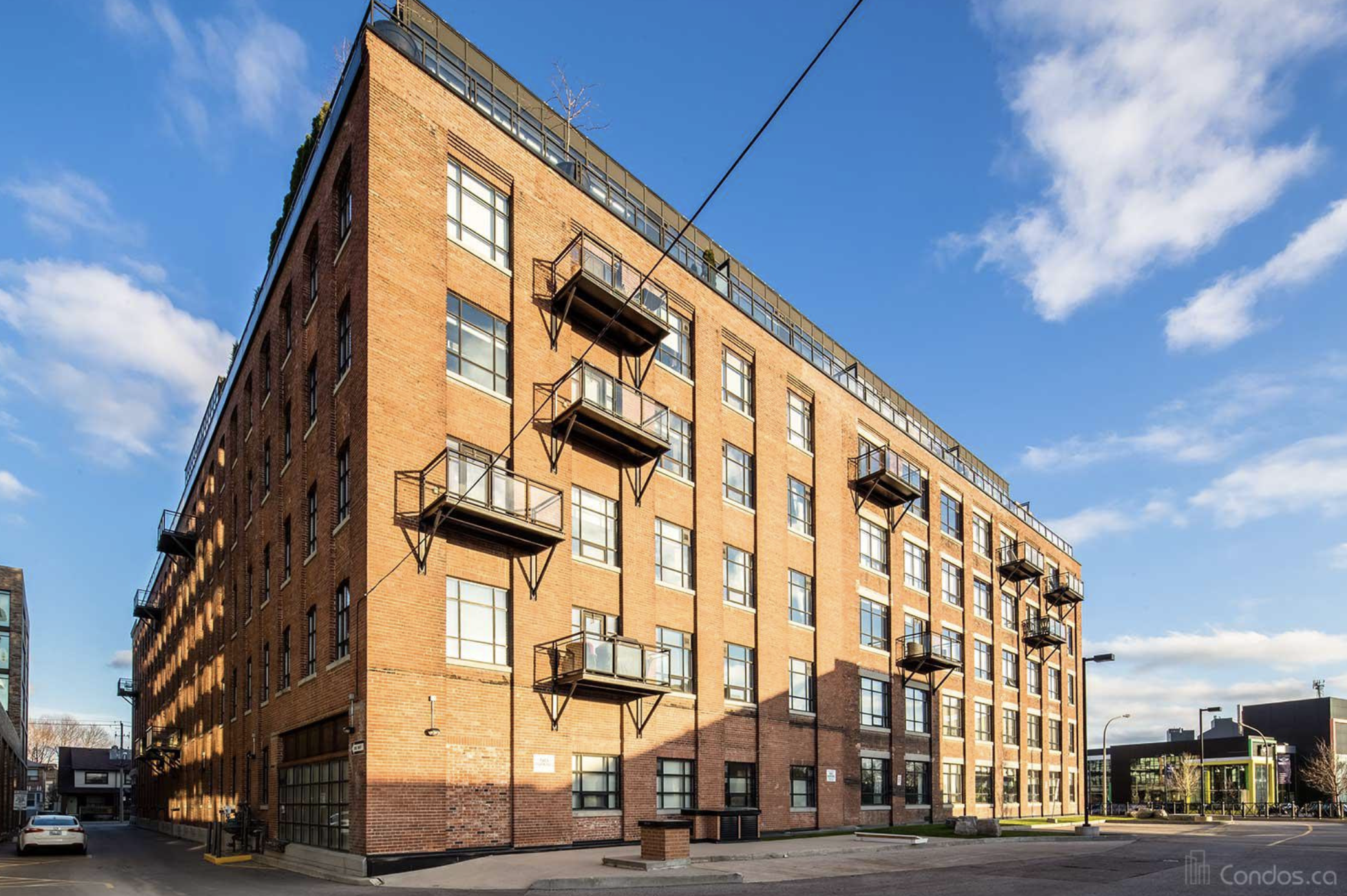
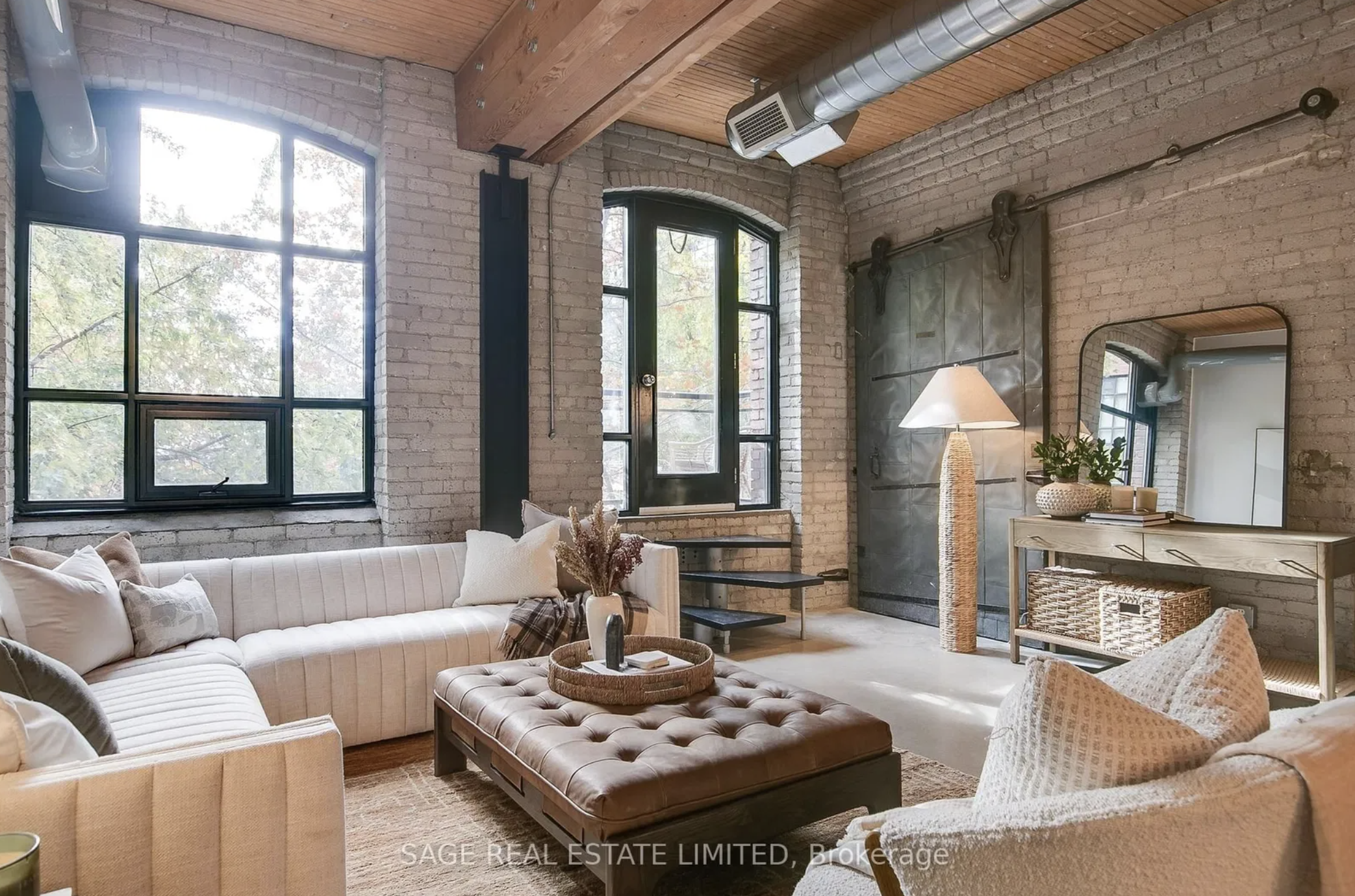
That warehouse is what Sorbara Group acquired in the early 2000s. And what they did with it is what made every subsequent loft developer in the city look bad by comparison: they kept everything worth keeping. The original cage elevators were preserved, glass-walled now, so you can watch the century-old building structure slide past as you ride. The rooftop water tower stayed. The original concrete floors stayed. The warehouse window rhythm stayed, reframed with sharp black trim that became the building's most recognizable exterior detail.
Two new glass and steel floors were added, set back from the original massing so they read as additions rather than impostors. The result is 154 units across 7 storeys, ranging from 550 to 1,750 square feet, with some mezzanine layouts and penthouse suites that include private rooftop terraces, a genuine rarity in hard loft conversions.
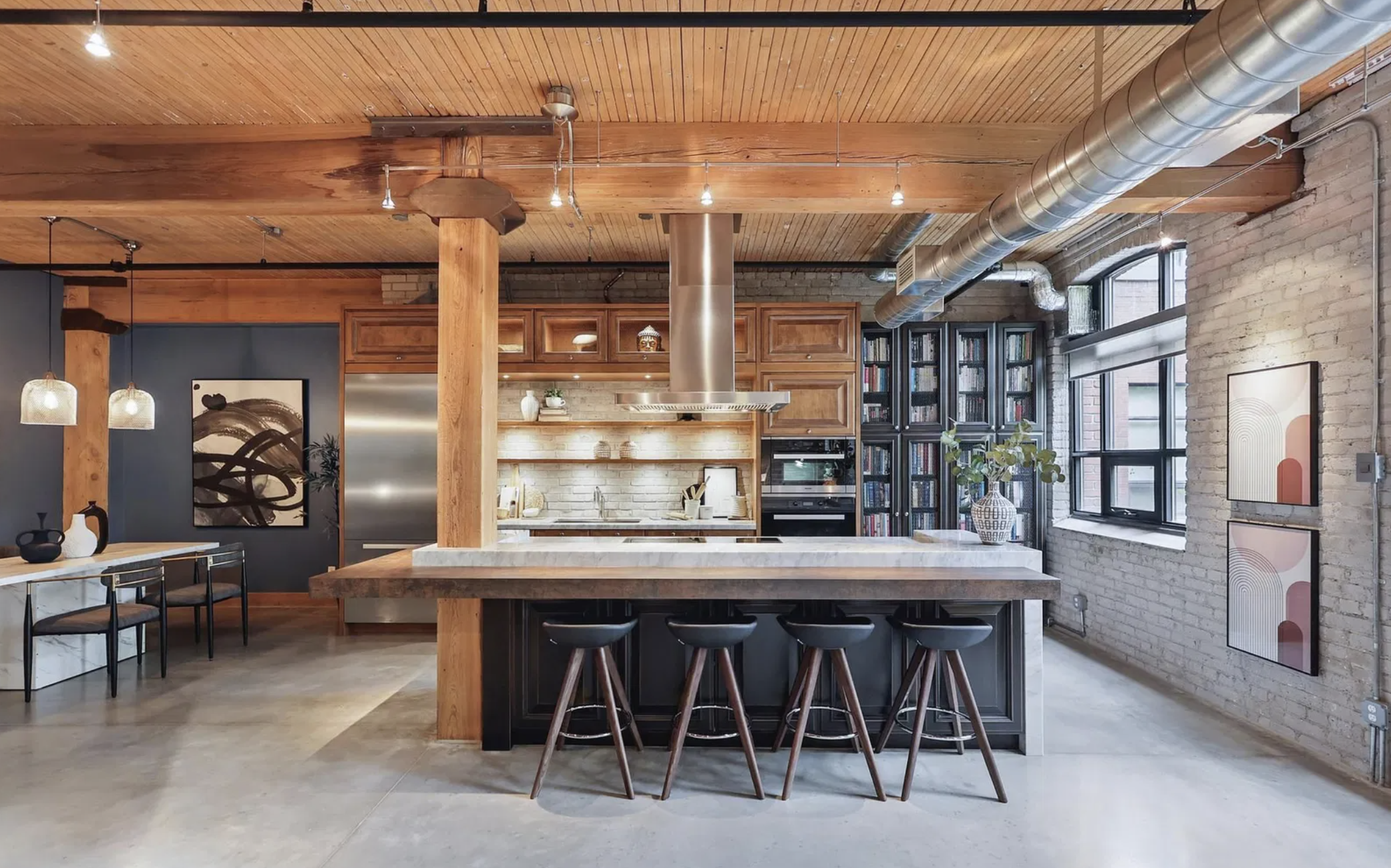
The conversion was completed in 2006 by Turner Fleischer Architects and finished second in the 2008 Pug Awards, Toronto's annual recognition for buildings that contribute positively to the city's urban fabric, a meaningful signal that the heritage restoration was done right. Ceiling heights in the original five floors top out at 10.5 feet, modest by hard loft standards, explained by the fact that the warehouse was built to store small pill bottles, not machinery. But the brick, the beams, the sandblasted concrete, and the cage elevator make up for it in character every time.
At $980 per square foot, the Broadview Lofts trade at a premium that reflects architectural pedigree, neighbourhood strength, and the kind of building identity that simply cannot be manufactured. A baseball diamond, a pharmacy warehouse, and one of the best loft conversions in the city, all on the same piece of land.
KEY FACTS
//
KEY FACTS //
Architectural Details:
• Original preserved cage elevators (glass-walled)
• Iconic rooftop water tower
• Sandblasted brick, original wood beams and concrete floors
• Massive factory windows with sharp black trim
• Private rooftop terraces on select penthouse units
• Some mezzanine-style layouts
Amenities:
• Elevator
• Secure entry
• Party Room
• Underground parking
• Visitor Parking
• Landscaped central courtyard
• Bike Storage
Original Use: United Drug Company / Rexall pharmacy warehouse
Built: 1914
Converted: 2006
Storeys: 7 (5 original + 2 glass penthouse)
Units: 154
Ceiling Heights: 10.5 ft in original floors, higher in penthouse
Unit Size Range: 550 sqft – 1,750 sqft
Market Personality:
PUG Award finalist and Riverside landmark. One of the most architecturally careful loft conversions in the city. Consistent demand, low churn, strong long-term fundamentals.
Buyer Profile:
Design-aware professionals and established east-enders who want authentic character, excellent walkability, and the kind of building that turns heads from the street.
BREWERY LOFTS
📍 90 Sumach St
Neighbourhood: Corktown
Avg $973 per square foot
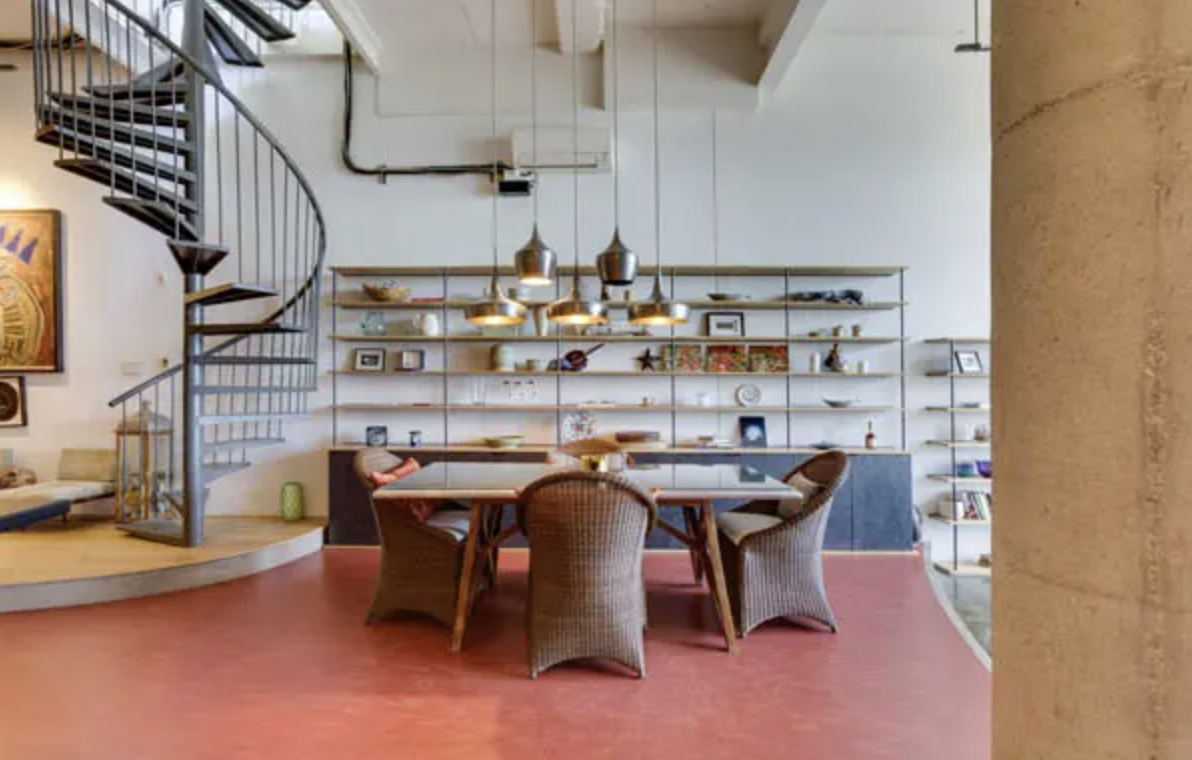
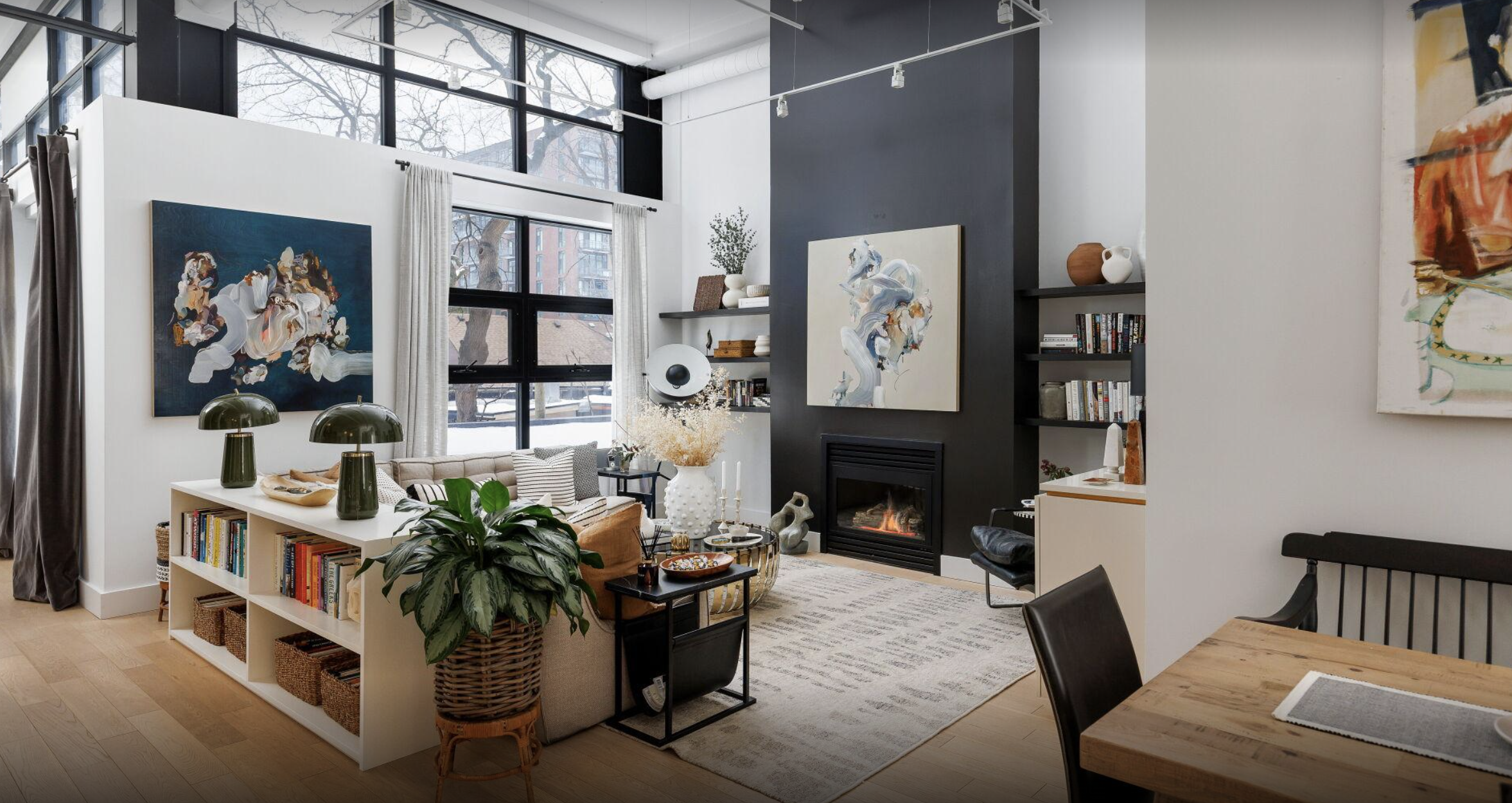
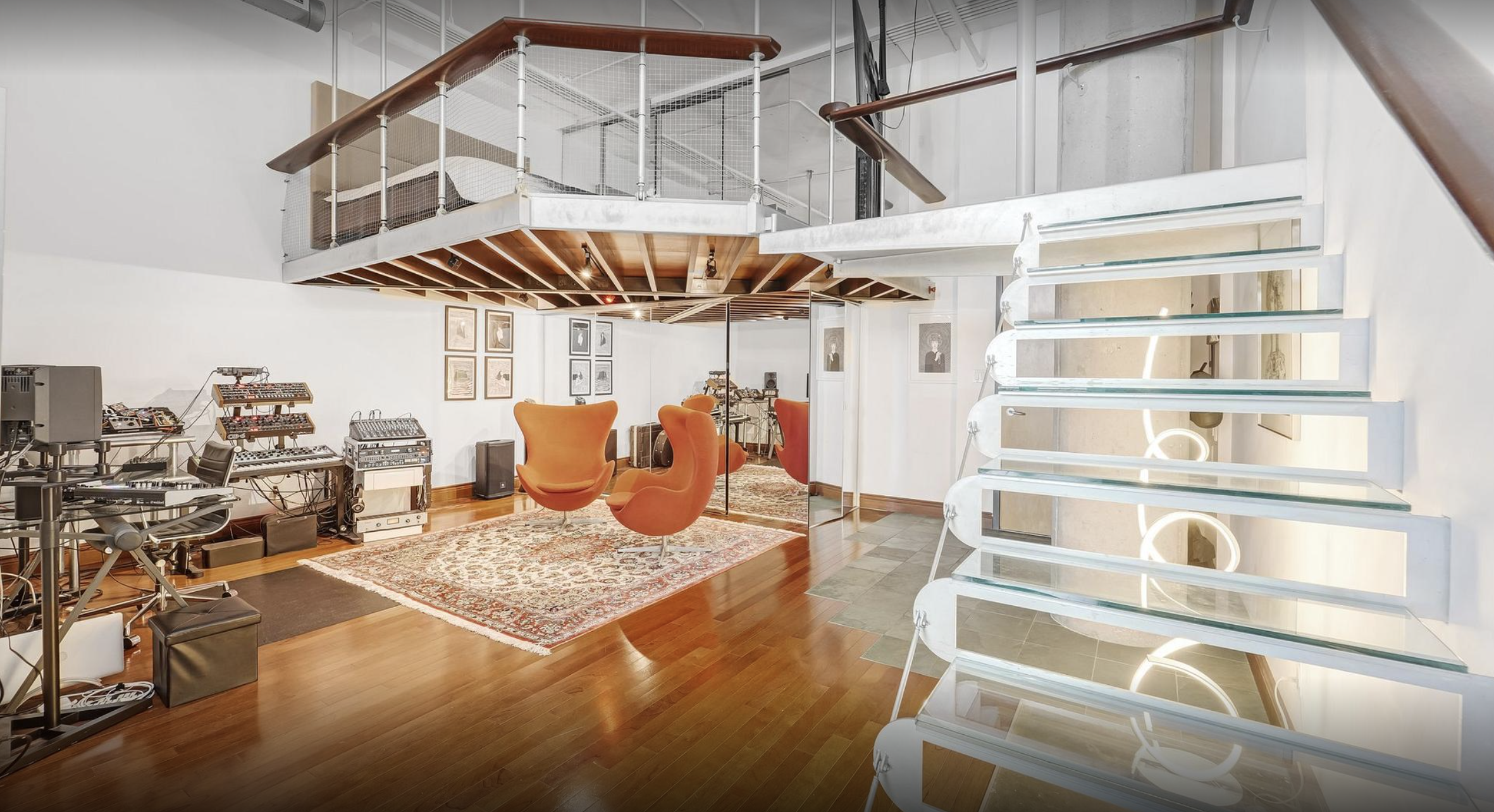
BUILDING HISTORY & LOFT DETAILS
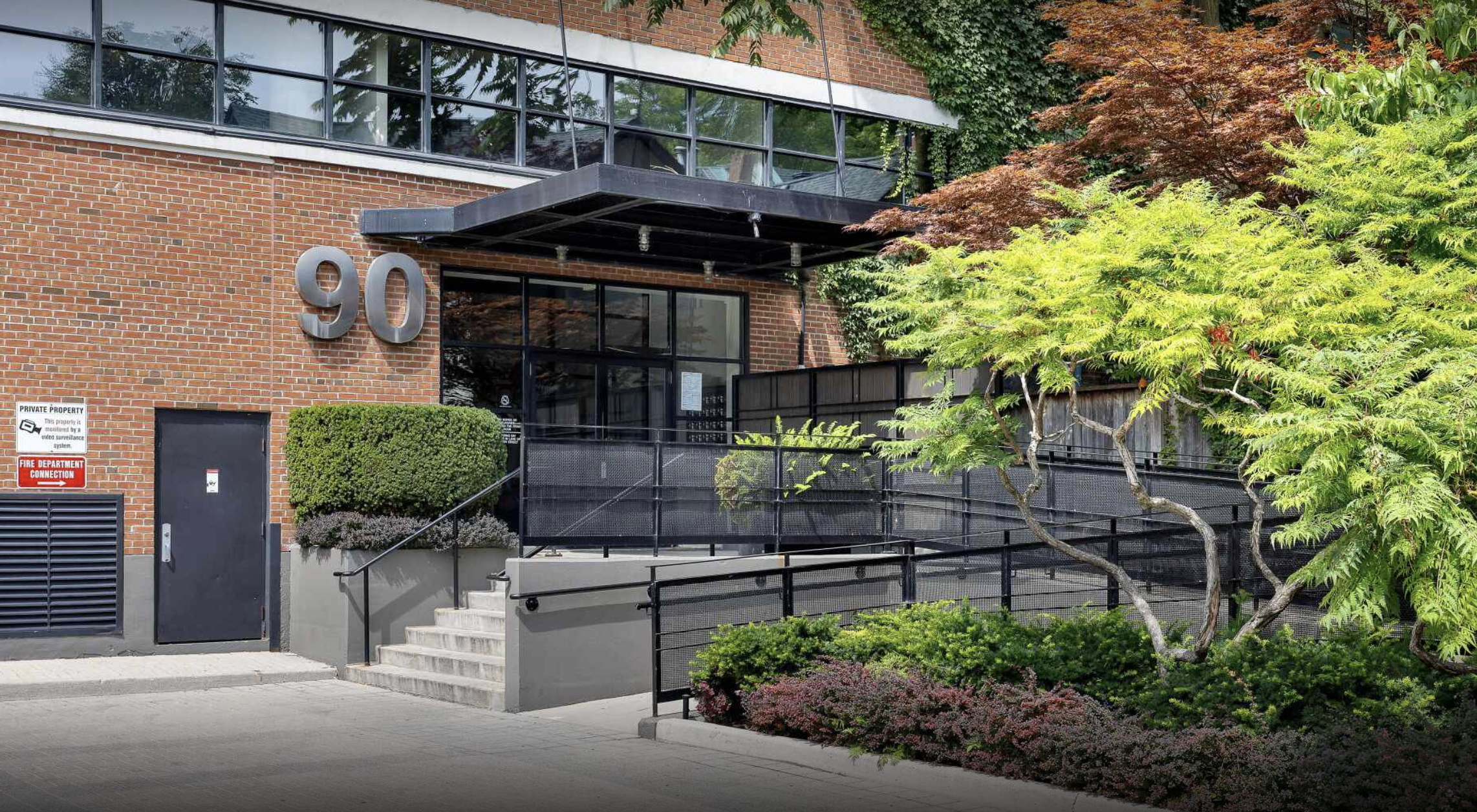
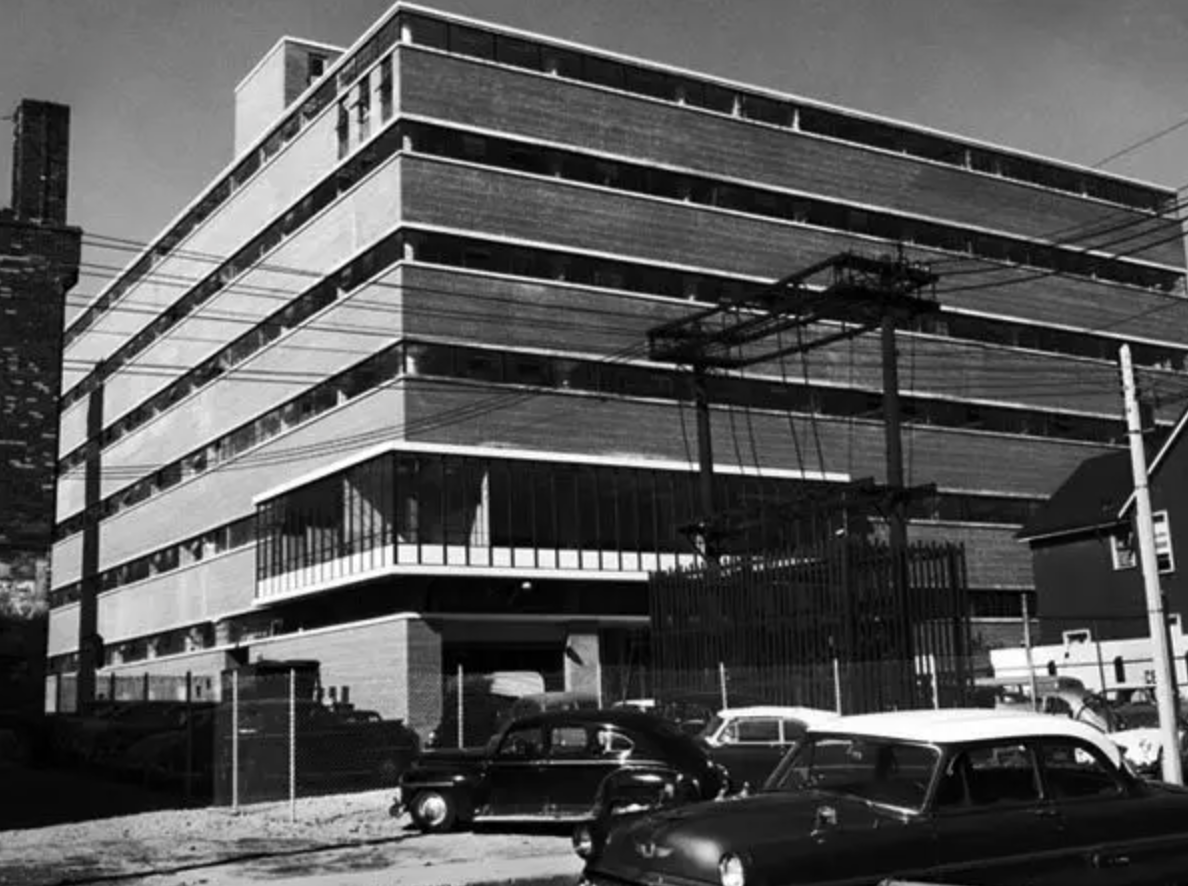
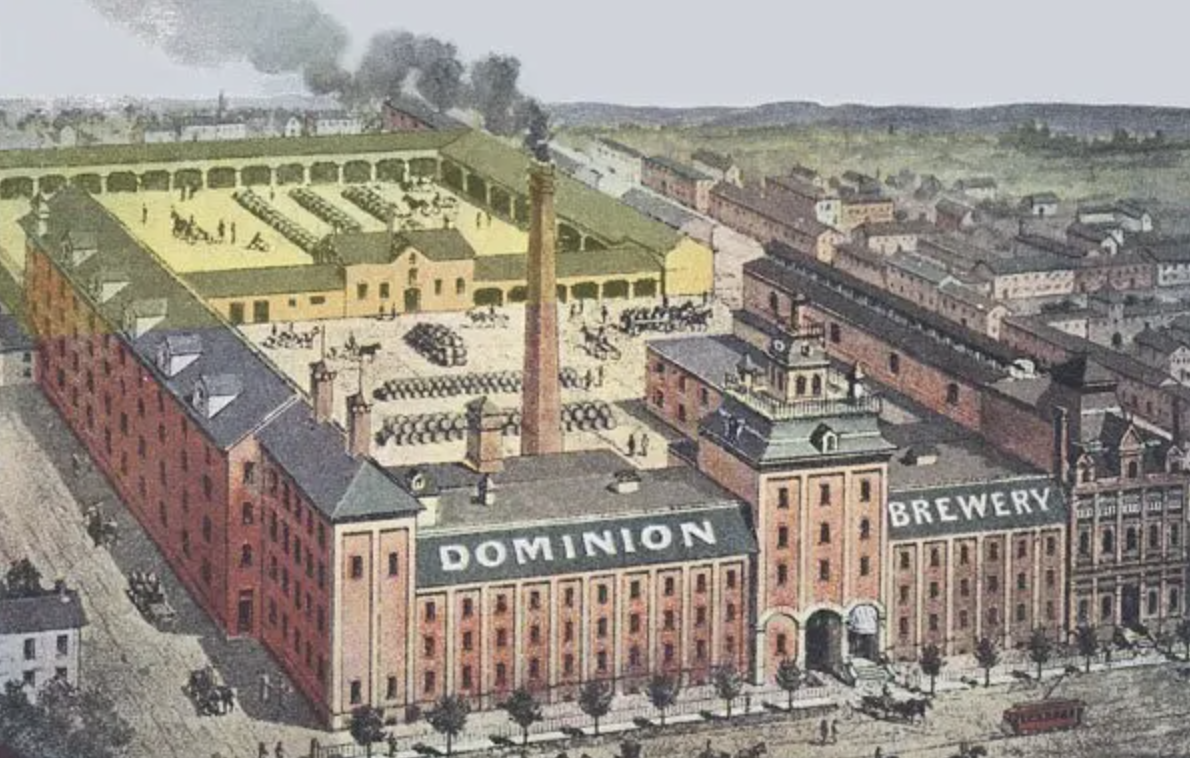
Let's get one thing straight before anything else: this was never a brewery. The 'Brewery Lofts' name came from developer Sorbara Group, who purchased the surrounding Dominion Brewery complex, a 19th century operation dating back to 1878, but the building at 90 Sumach itself was erected in 1956 as a warehouse. Then it became something far more interesting.
For decades it was the CBC's creative engine. Design studios, prop warehouses, rehearsal spaces. Glenn Gould worked within these walls. Jim Henson. Lorne Michaels, the Saturday Night Live creator, developed ideas here. The CBC even made a short film about the building called 'The Story of 90 Sumach,' which tells you everything you need to know about the mythology this address carries.
The CBC eventually left, the building sat empty, and in the late 1990s Sorbara converted it into 109 hard lofts. It was one of the first conversions of its kind in the city, and it essentially wrote the playbook for every loft developer that followed.
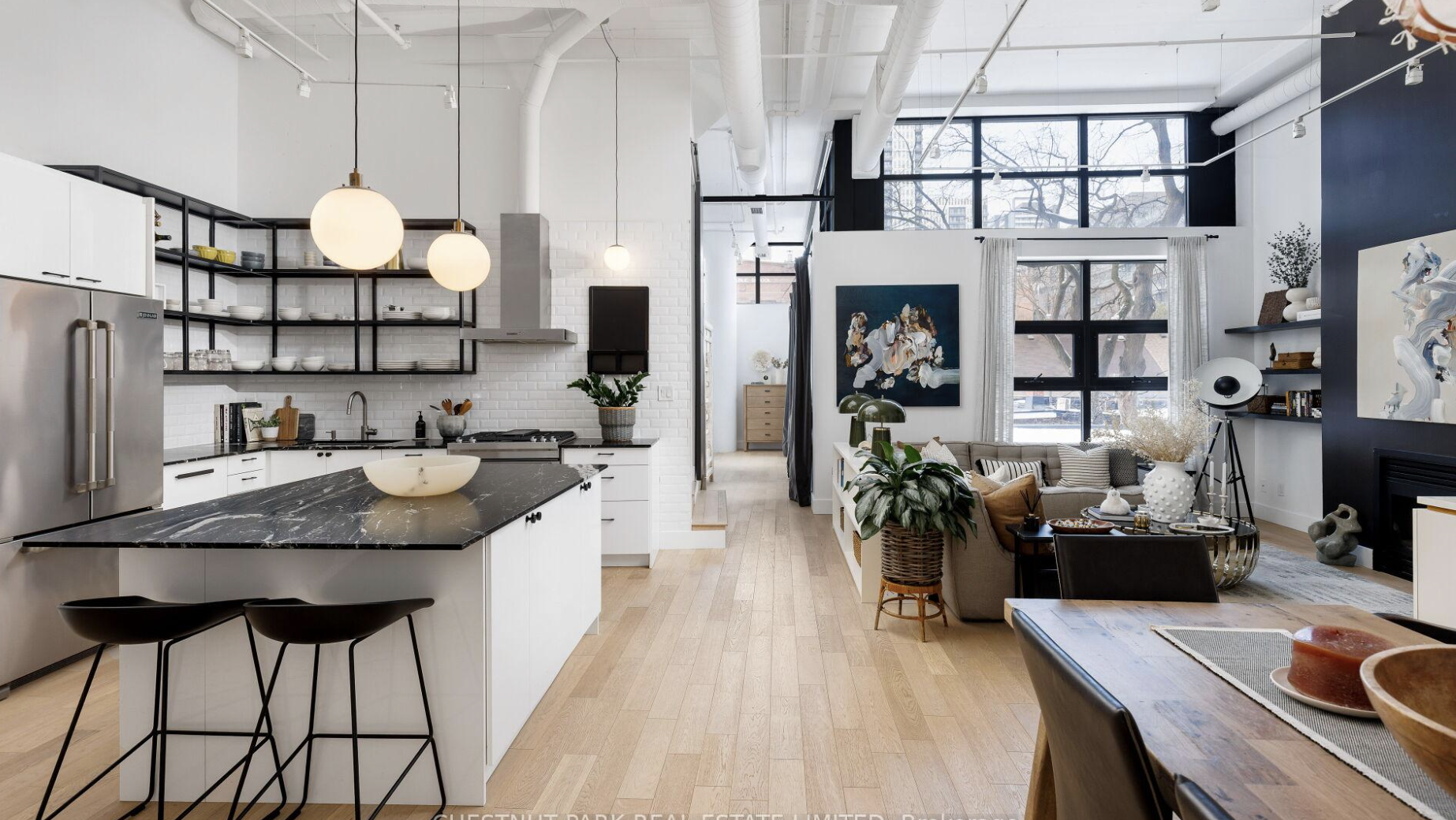
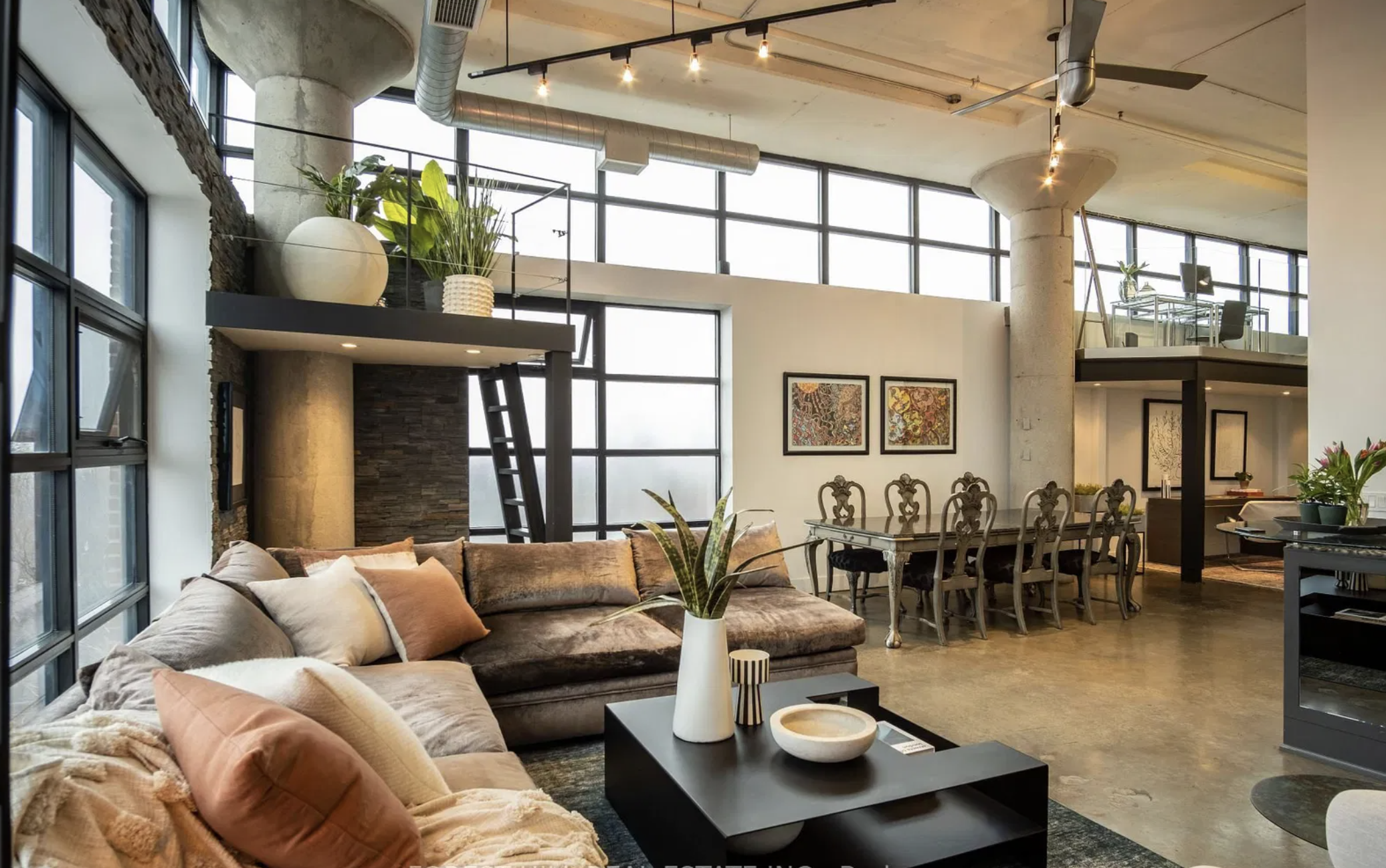
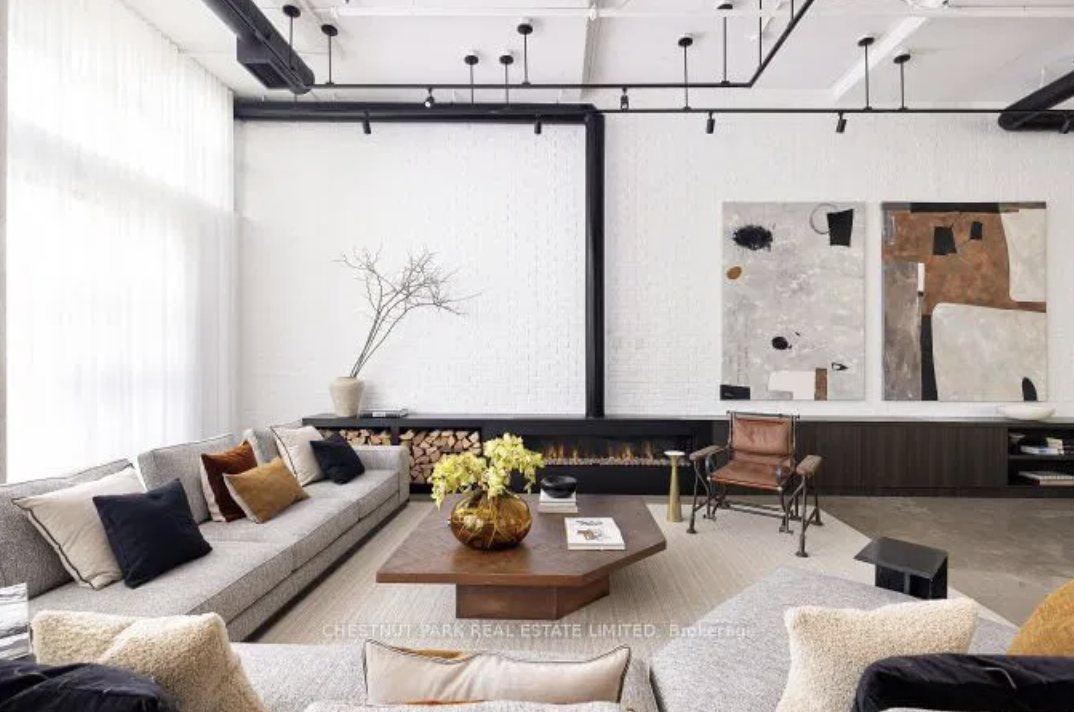
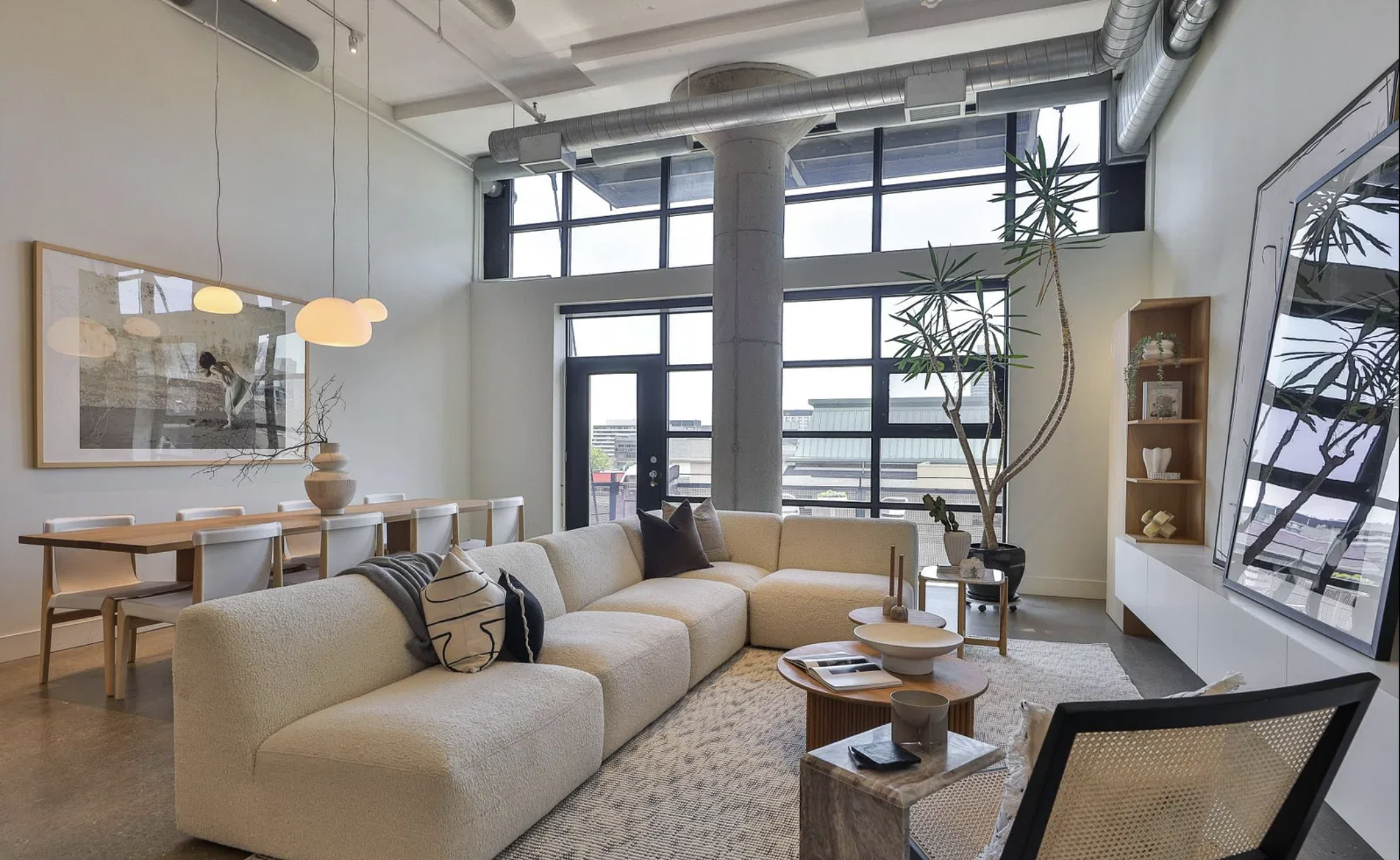
Every single unit features 14-foot polished concrete ceilings, floor-to-ceiling windows, original mushroom columns, and open-concept single-level layouts that function as genuine blank canvases. The hallways are enormous. The lobby is enormous. The freight elevator is rated for a 9,000-pound load and can accommodate a 10-tonne truck. This is a building designed at a scale that new construction simply cannot replicate.
The building runs a book exchange, a FreeCycle table, a fenced dog run, and a tightly knit community of artists, designers, and creative professionals who have largely lived here since conversion. When a unit comes up for sale, buyers tend to be informed, intentional, and patient. This is not a building you stumble into.
At $973 per square foot, the Brewery Lofts trade just below the Broadview, which surprises people who expect the CBC mythology to command a bigger premium. The discount is not about quality. It is about the building's more industrial aesthetic and its Corktown location, which is still maturing. For buyers who understand what they are getting, that gap looks like opportunity.
KEY FACTS
//
KEY FACTS //
Architectural Details:
• Massive concrete mushroom columns
• 14 ft polished concrete ceilings throughout
• Floor-to-ceiling window walls
• Single-level open-concept layouts, true blank canvases
• Industrial-grade 9,000 lb freight elevator (still operational)
• Penthouse suites with private rooftop terraces
Amenities:
• Rooftop terrace with BBQs
• Gated ground-level courtyard
• Book exchange and FreeCycle space
• Dog run
• Underground parking
• Party Room
Original Use: CBC design studio, prop warehouse, and rehearsal space
Built: 1956
Converted: 1998–1999
Storeys: 5
Units: 109
Ceiling Heights: 14 ft throughout
Unit Size Range: 738 sqft – 3,700 sqft
Market Personality:
Cult building. Low turnover by design. Penthouse suites with private rooftop terraces are among the most coveted loft spaces in the city and rarely appear at any price.
Buyer Profile:
Design-forward end-users, established artists, and long-term holders who chose this building specifically and plan to stay. Not a stepping stone. A destination.
THE GLEBE LOFTS
📍 660 Pape Ave
Neighbourhood: North Riverdale
Avg $925 per square foot
BUILDING HISTORY & LOFT DETAILS
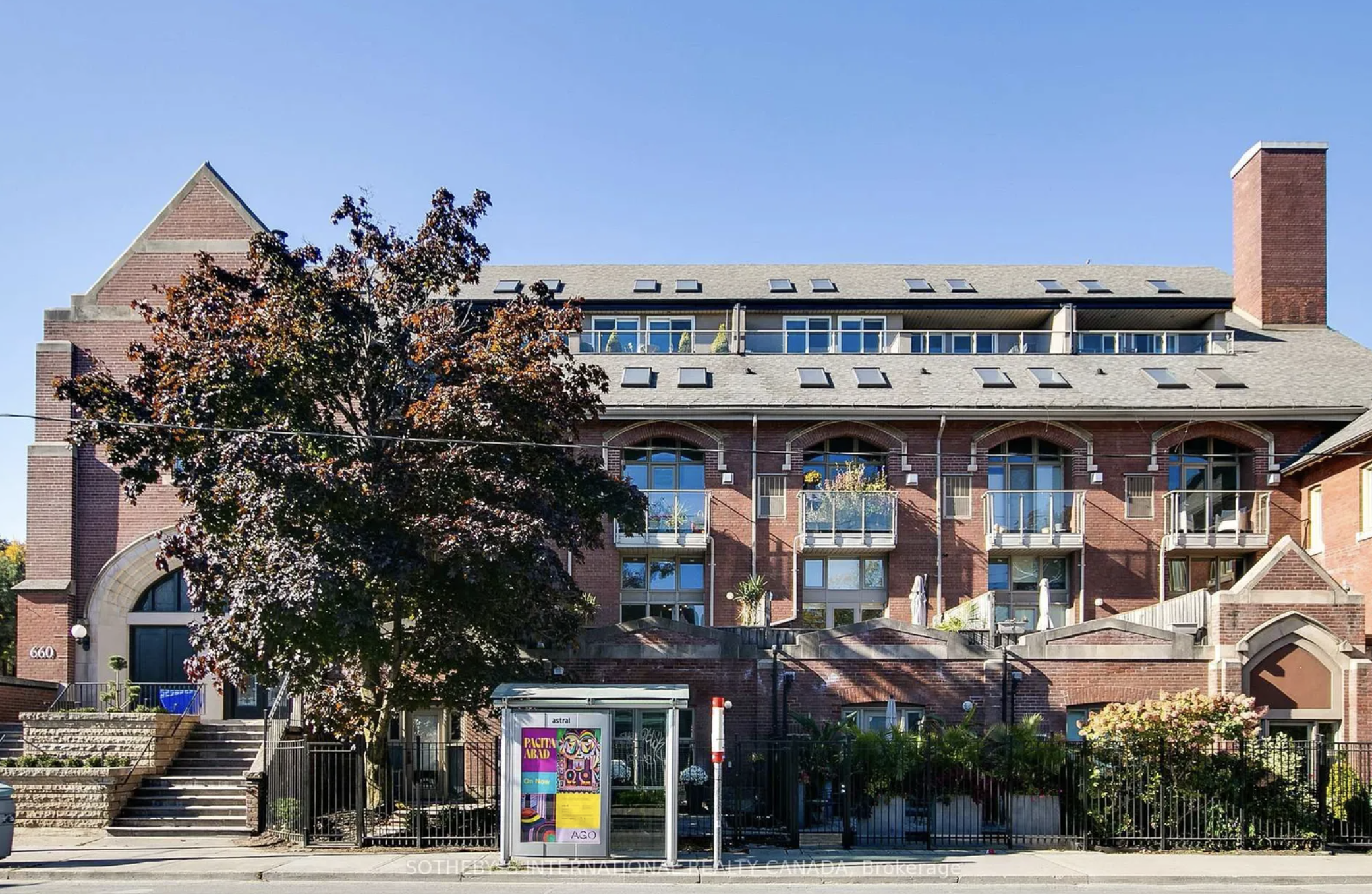
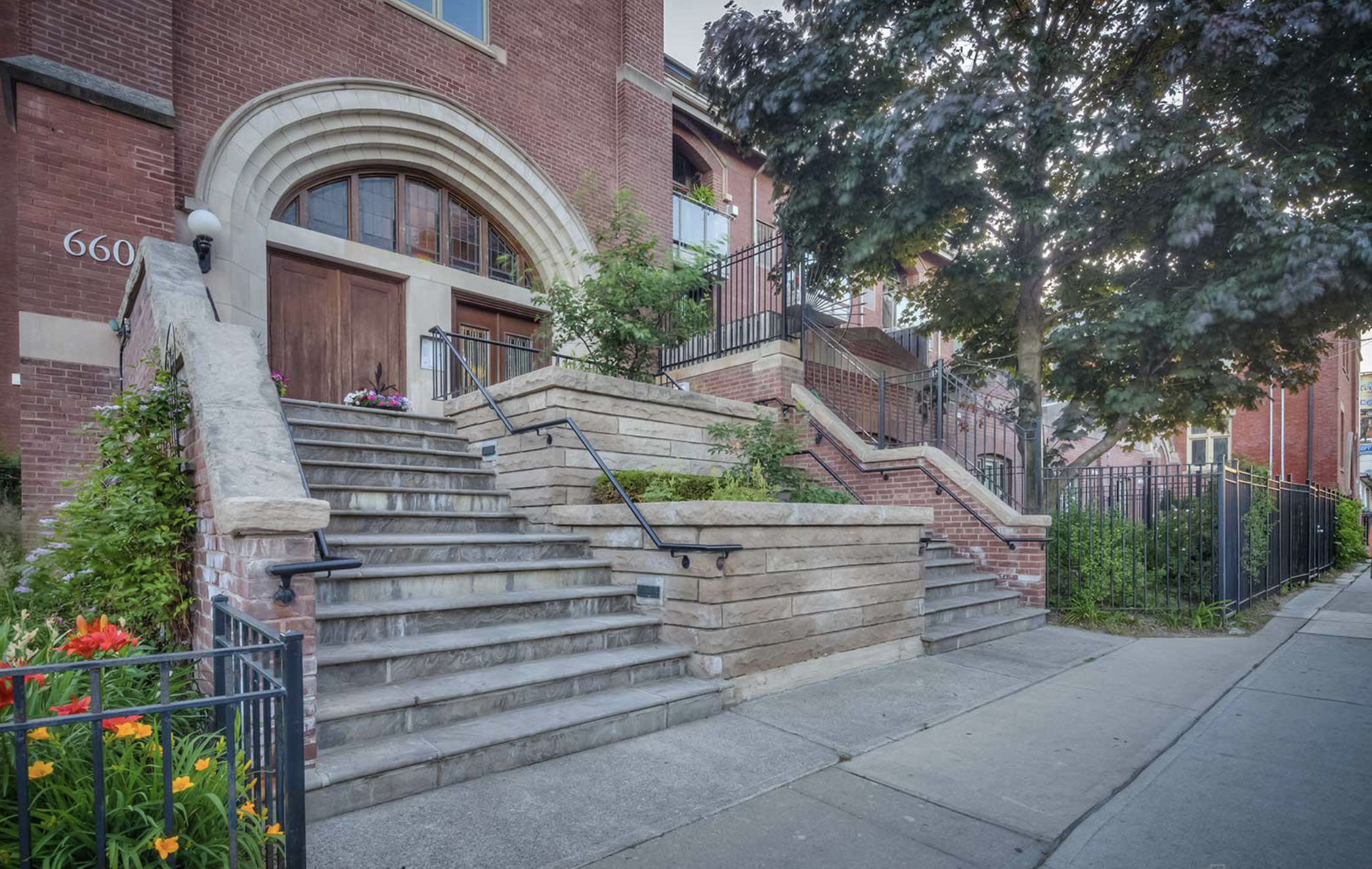
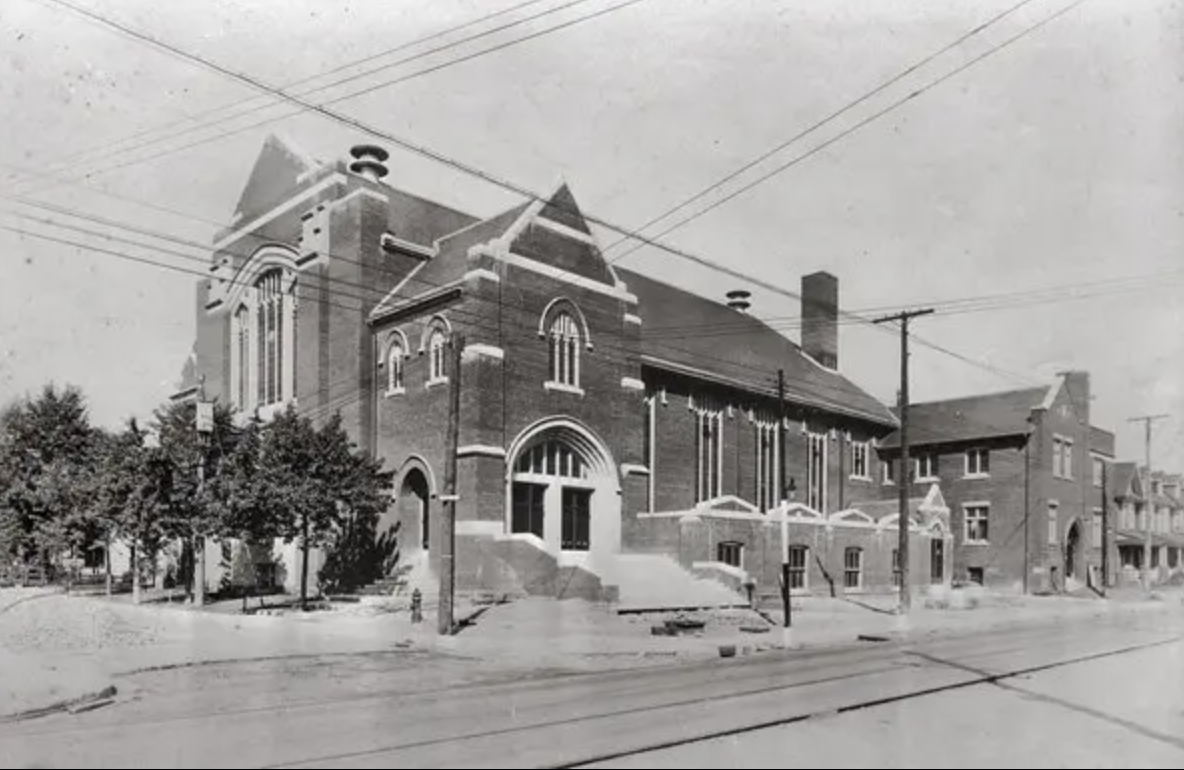
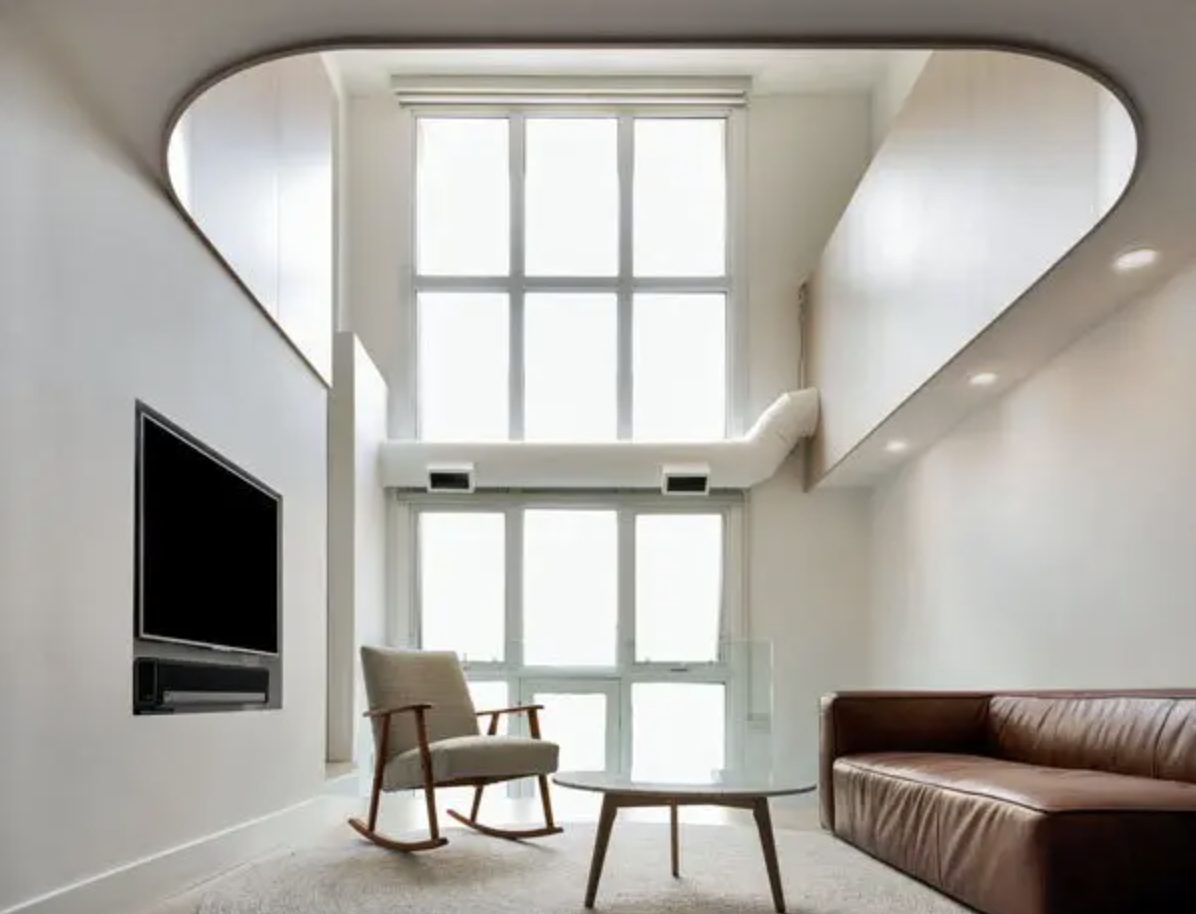
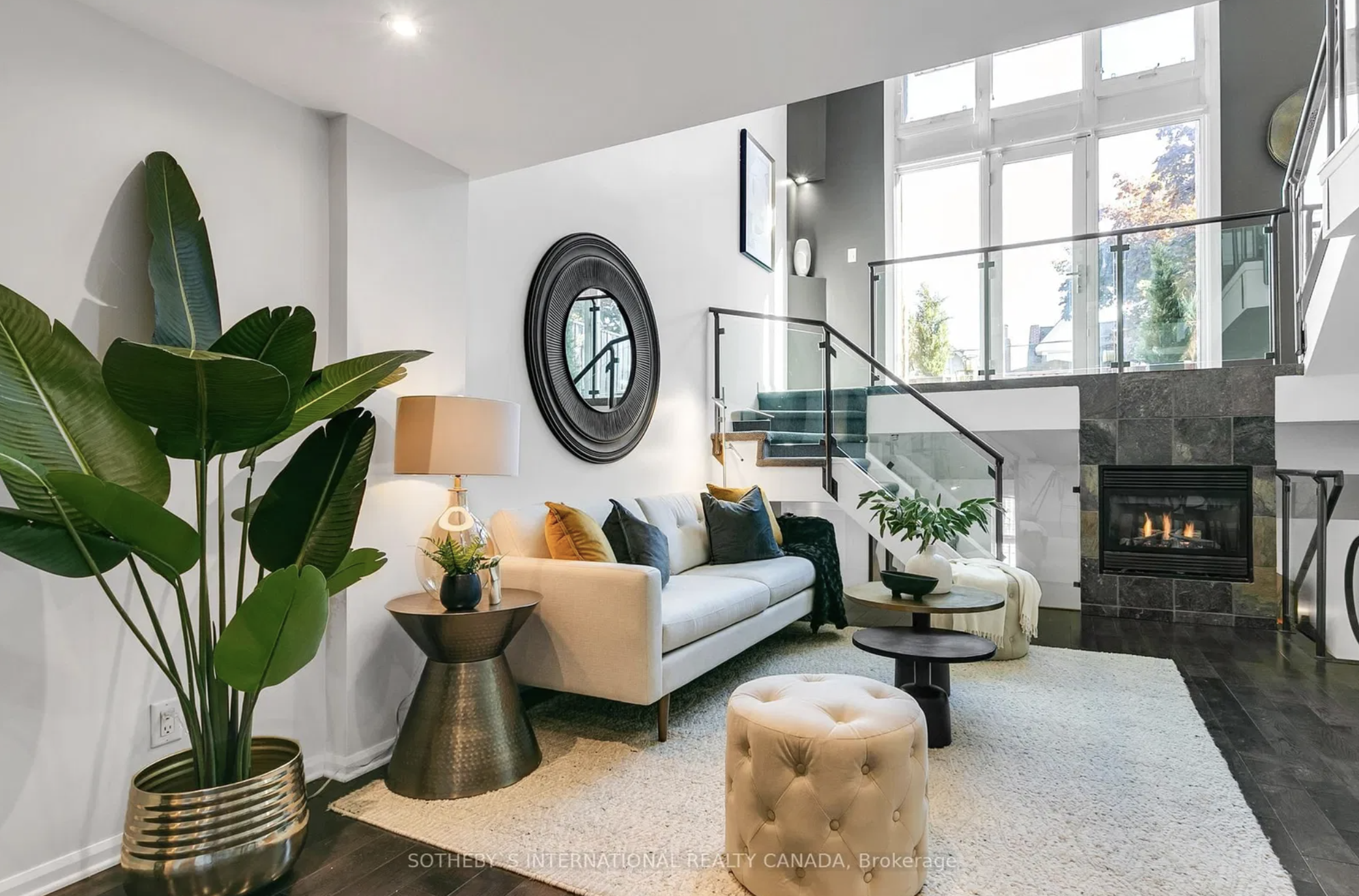
If you have ever walked south from the Danforth on Pape Avenue and done a double-take at what appears to be a functioning Presbyterian church, you have already met the Glebe Lofts. The building was constructed in 1907 and expanded in 1912, designed by architect John Wilson Gray in the Gothic Revival style, his final project before his death. The Riverdale Presbyterian congregation worshipped here for decades. The north wing of the building still operates as a church today.
The conversion was completed in 2004 by Bob Mitchell, the developer responsible for the first legal loft conversion in Toronto (41 Shanly Street, 1982) and several of the city's most architecturally careful adaptive reuse projects. His approach at the Glebe was total restraint: no additions, no new construction, no glass boxes placed on top. Every one of the 32 units was built entirely within the existing building envelope. What you get is a conversion that respects its source material to a degree that most developers simply would not have accepted.
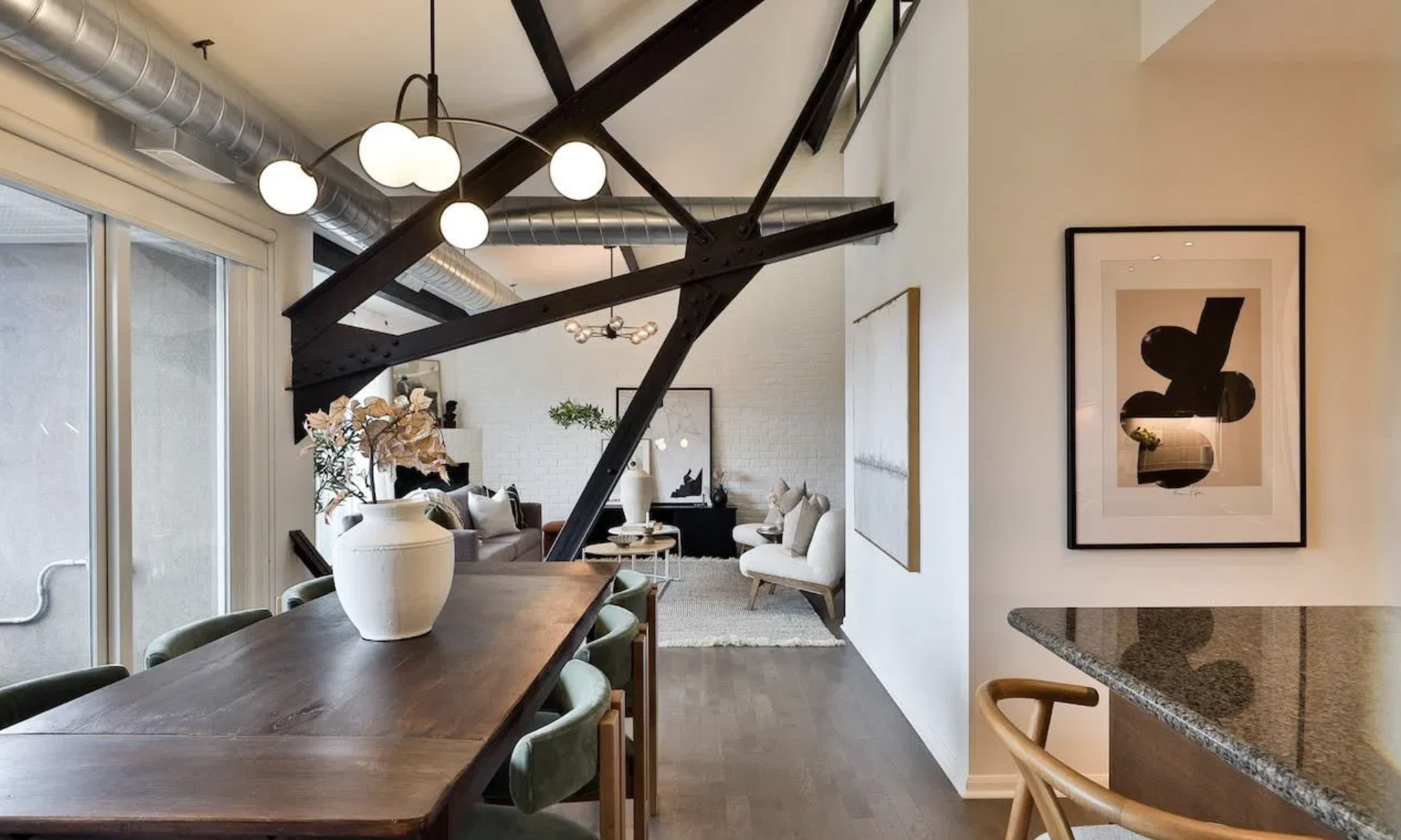
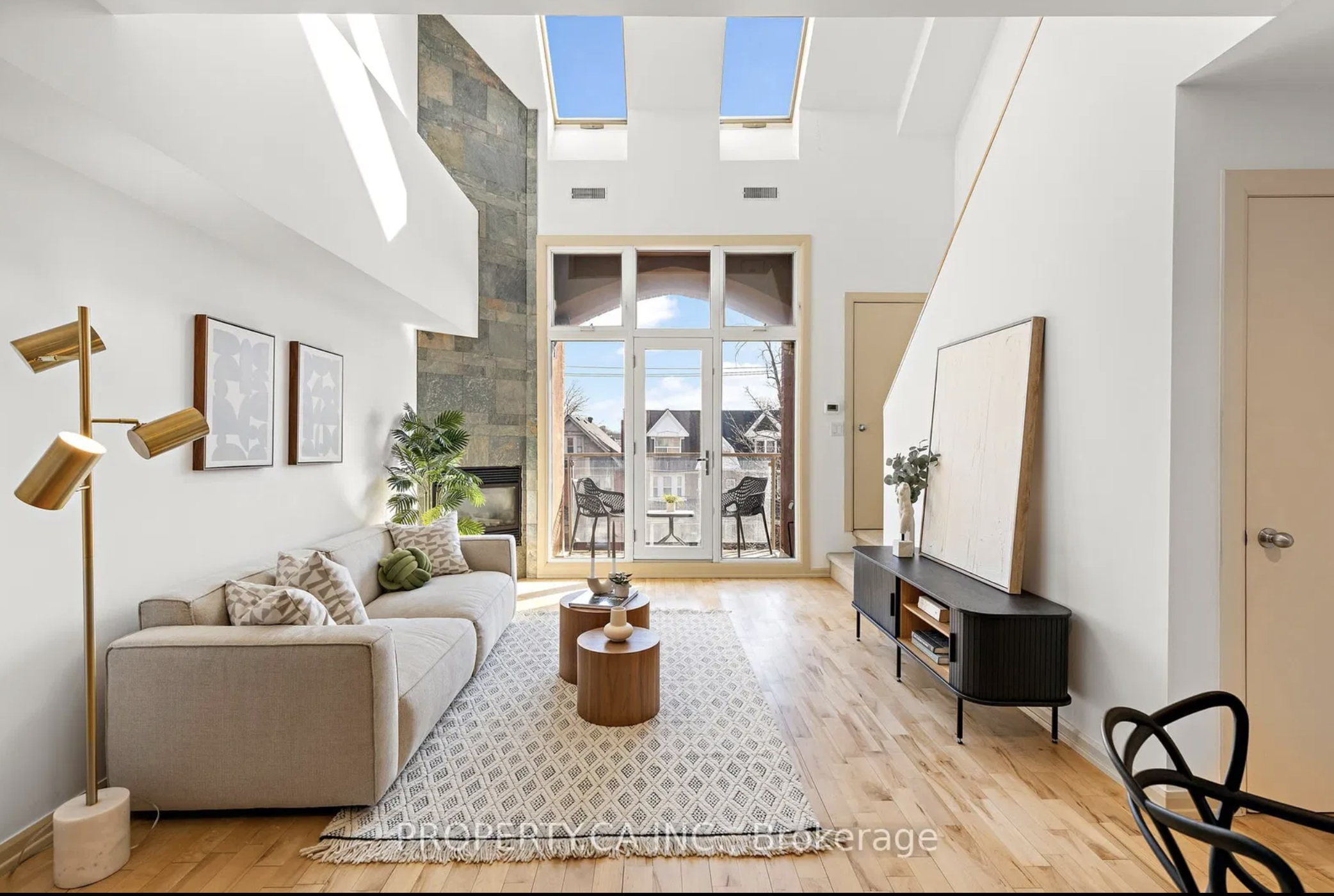
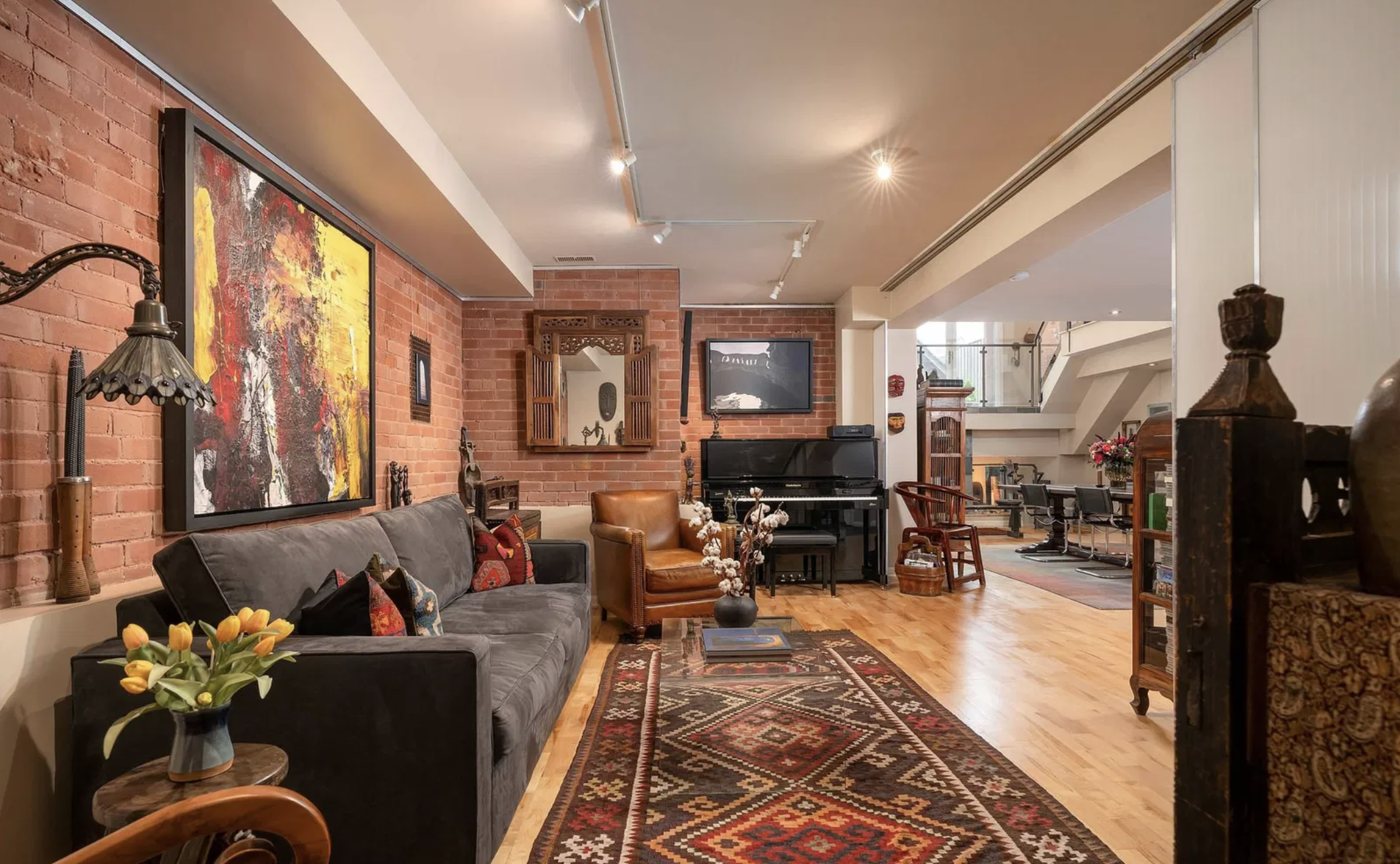
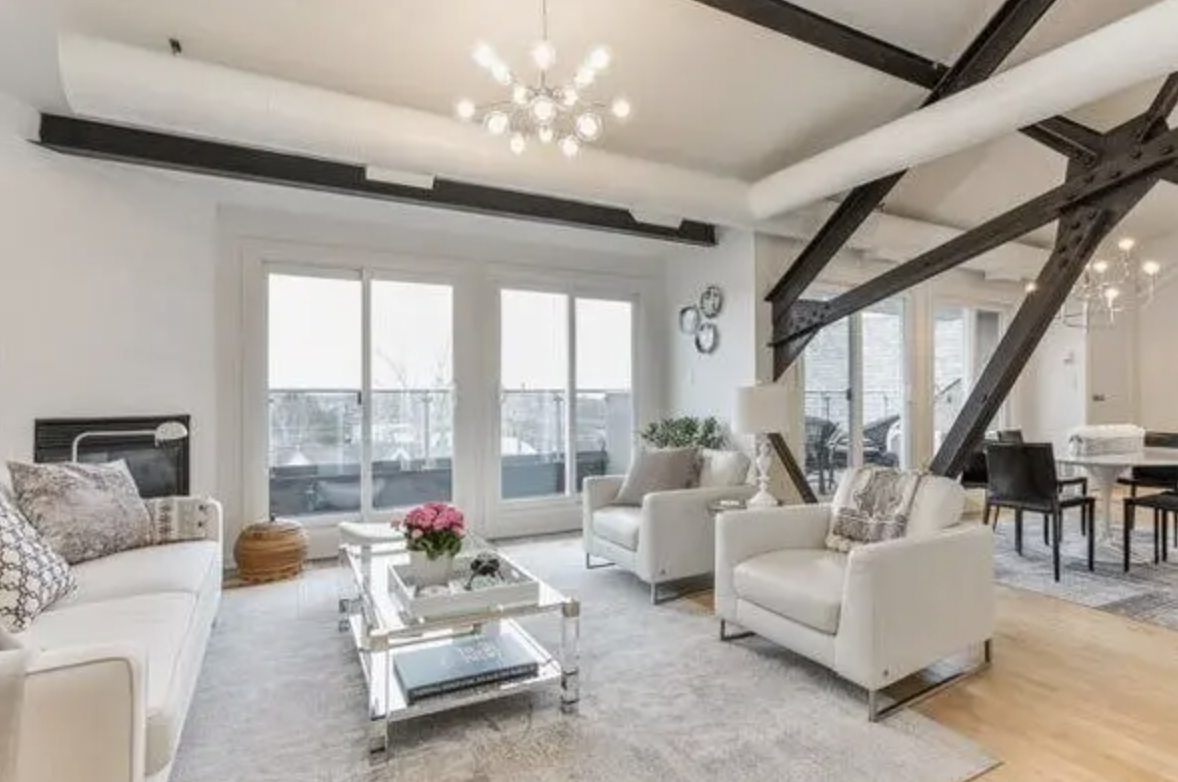
Fourteen-foot ceilings throughout. Exposed steel trusses visible in the third-floor units. Skylights and thermo-pane windows that flood the interiors with natural light. Every unit is multi-level, with most spanning one or two floors, with one suite covering five levels. Private terraces or balconies on most units. Sizes from approximately 1,000 to 2,200 square feet. One unit even has direct street access.
The Glebe sits a six-minute walk from Pape Station on the Bloor-Danforth line, one block south of the Danforth, in a neighbourhood that has been genuinely family-friendly for decades. There are almost no comparable loft options in Riverdale. The rarity is structural, not manufactured.
At $925 per square foot, the Glebe Lofts price reflects boutique scarcity, strong neighbourhood fundamentals, and the near-impossibility of finding a comparable product anywhere on the east side. A 1907 Gothic Revival church conversion six minutes from the subway, built entirely within its original envelope, with no additions. The market knows what that is worth.
KEY FACTS
//
KEY FACTS //
Buyer Profile:
Architecture-driven end-users, often established professionals or families, seeking truly unique space in one of Toronto's most desirable east-end neighbourhoods. Steps to the Danforth and Pape Station.
Architectural Details:
• Gothic Revival brick façade
• Exposed steel trusses & pointed rooflines
• 14 ft - 18ft vaulted ceilings throughout
Skylights and arched windows
Amenities:
• Party/meeting room
• Bike storage
• Visitor parking
• Transit access
Original Use: Riverdale Presbyterian Church
Built: 1907
Converted: 2004
Storeys: 4
Units: 32
Ceiling Heights: 18-foot cathedral ceilings
Unit Size Range: 1,000 sqft – 2,200+ sqft
Market Personality:
Boutique Riverdale church conversion built entirely within the original envelope, with no additions. Among the most architecturally restrained and authentic conversions in the city. Low turnover, strong neighbourhood fundamentals, and a buyer pool that chooses this building specifically.
i-ZONE LOFTS
📍 326 Carlaw Ave & 1159/1173 Dundas
Neighbourhood: Leslieville / South Riverdale
Avg $921 per square foot
BUILDING HISTORY & LOFT DETAILS
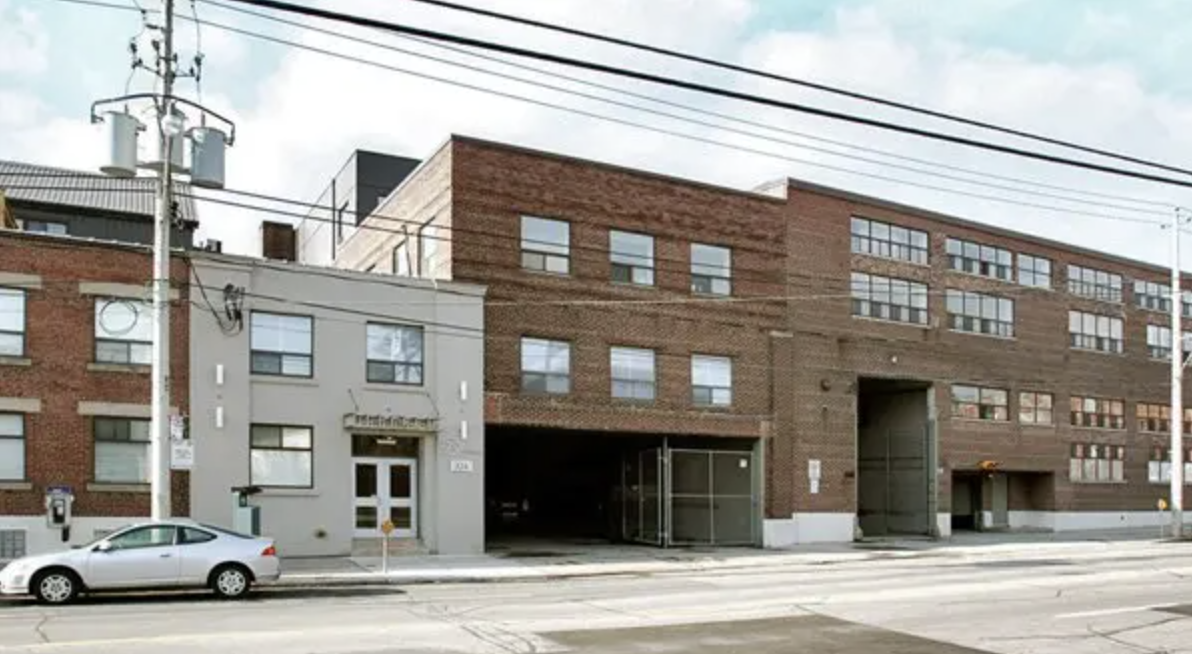
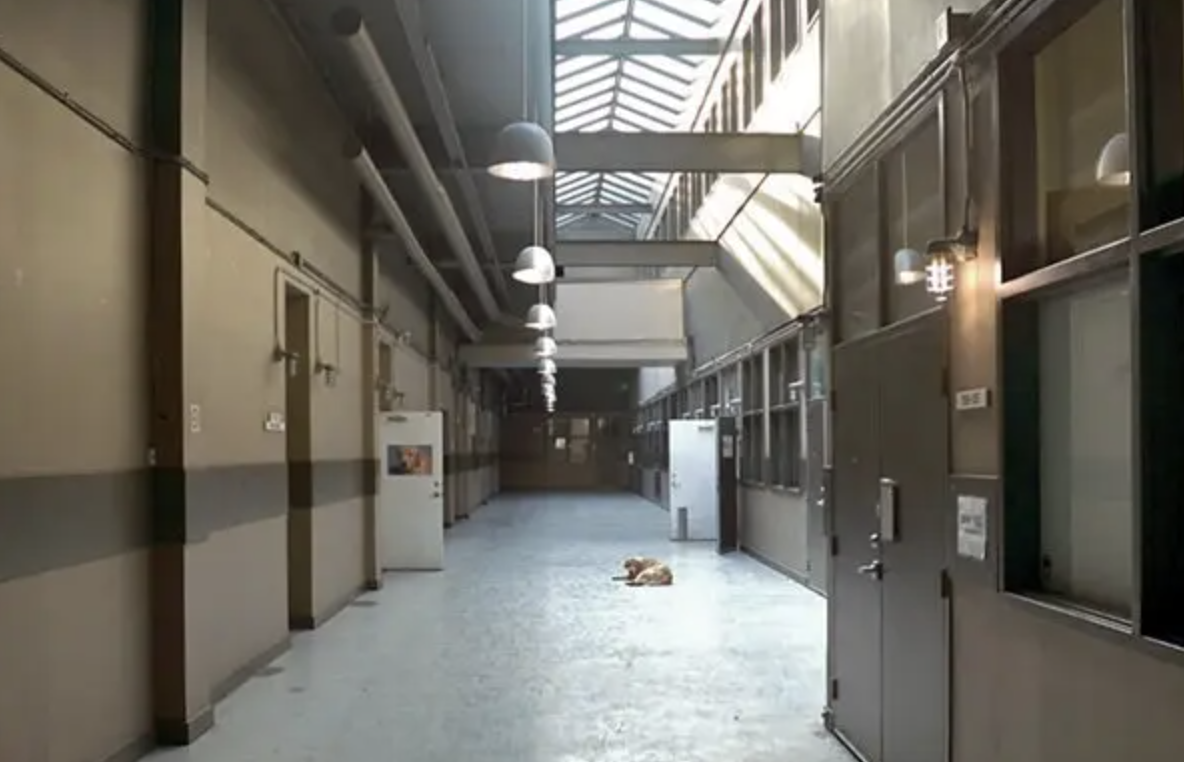
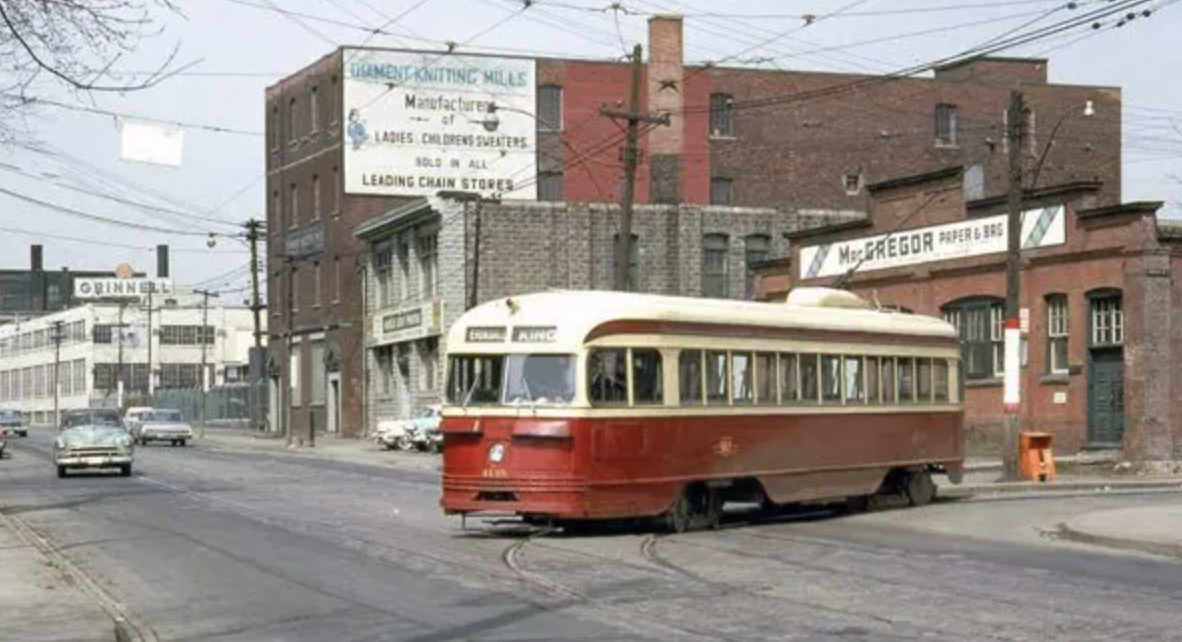
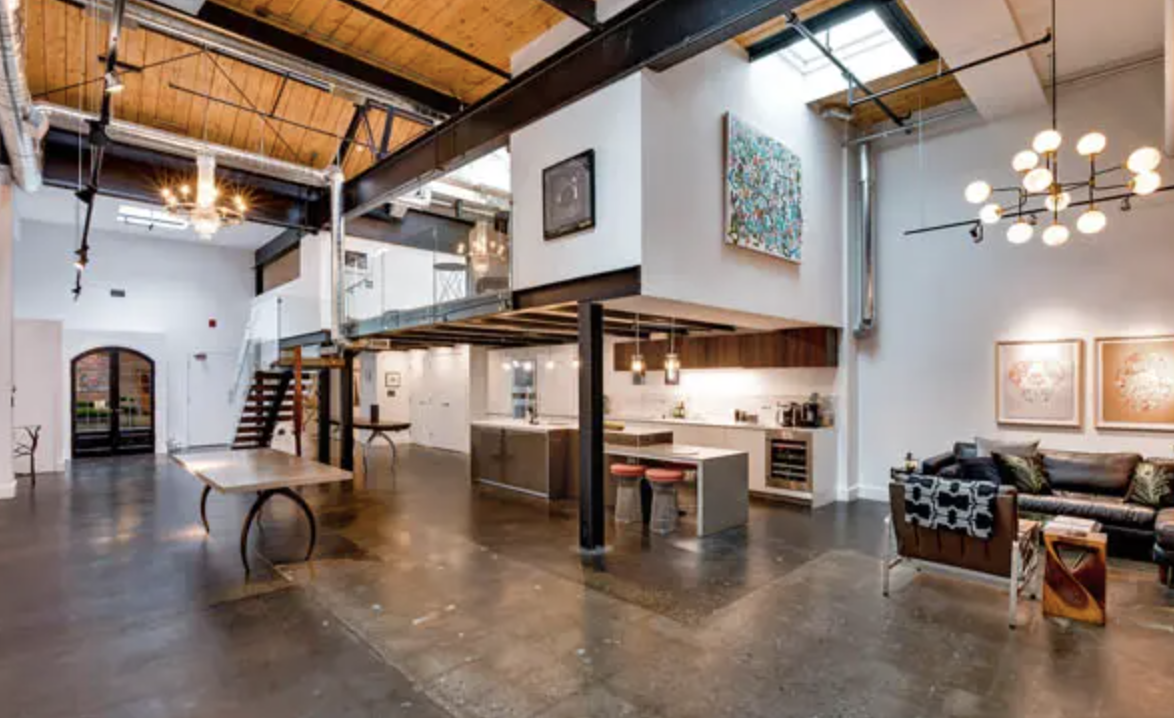
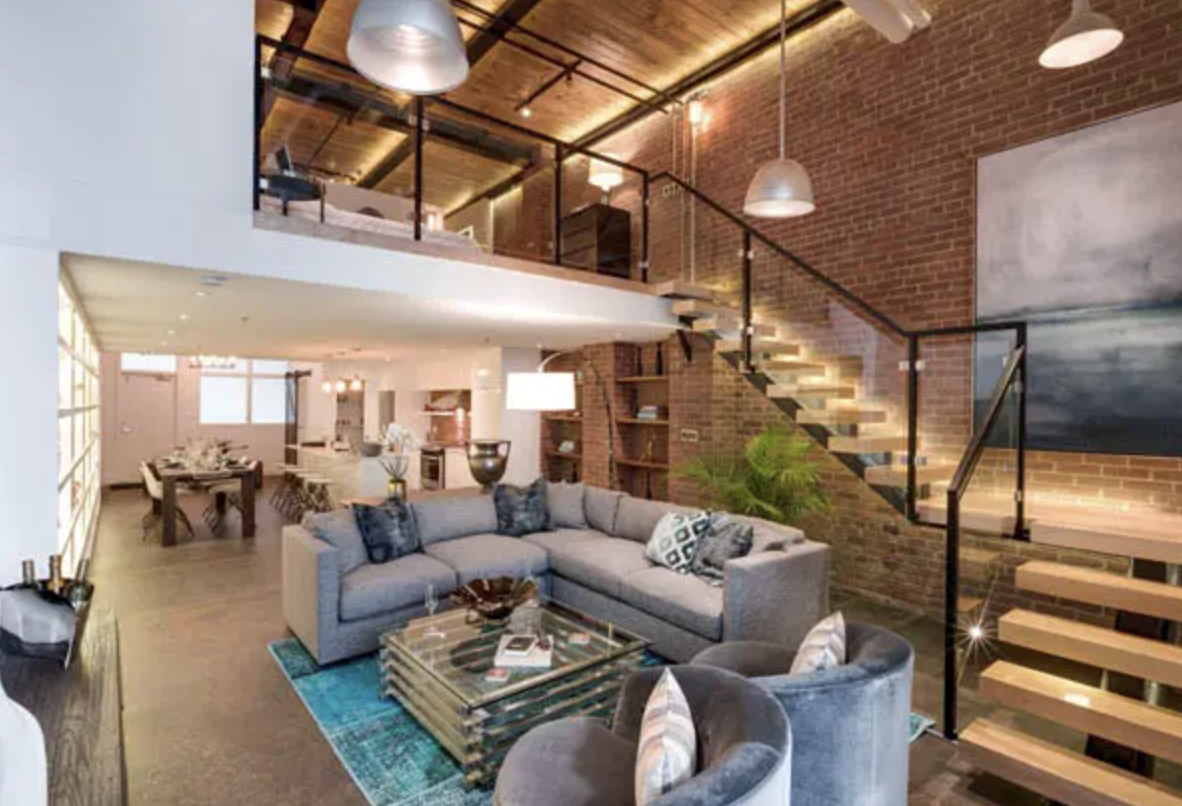
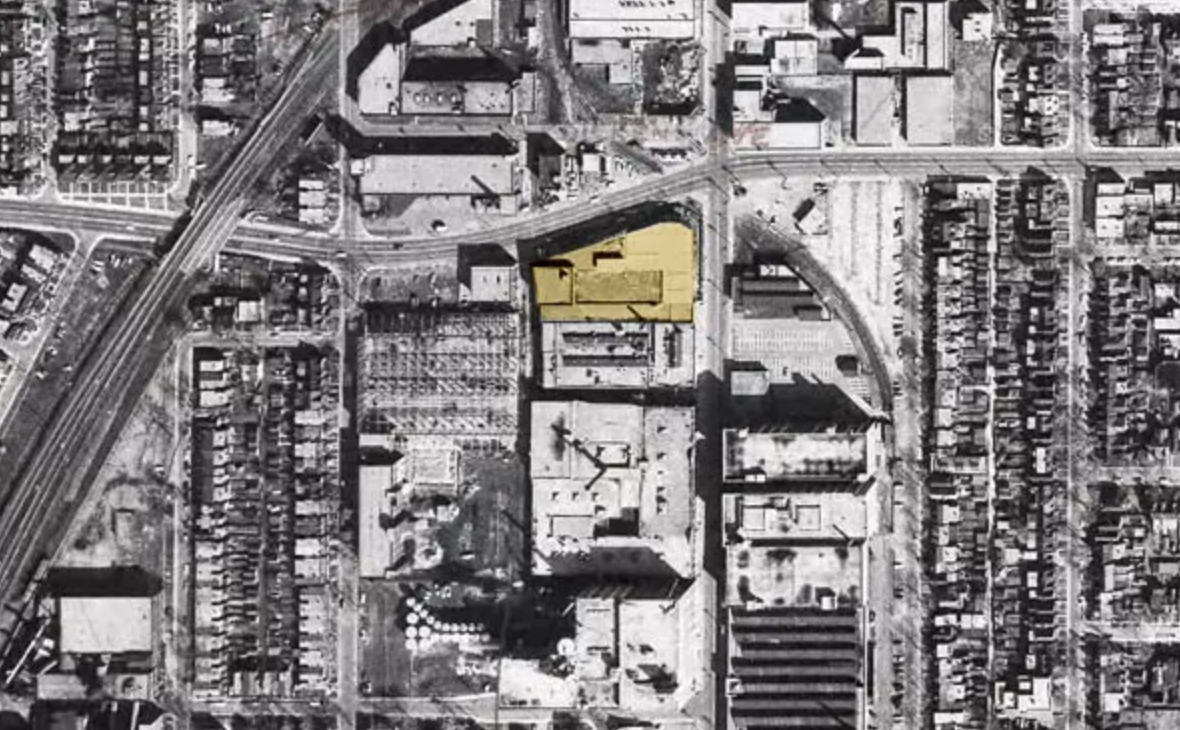
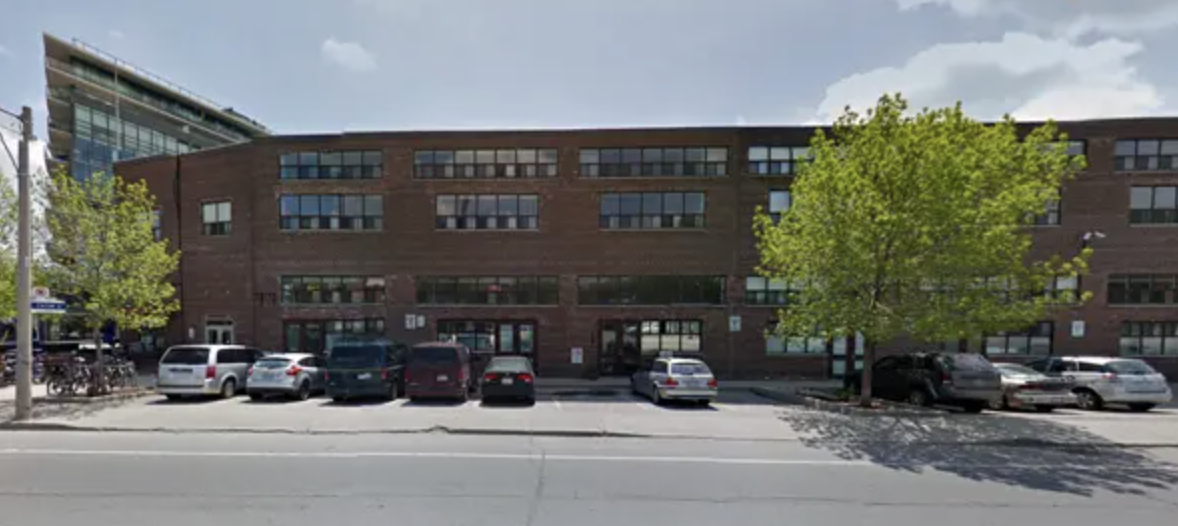
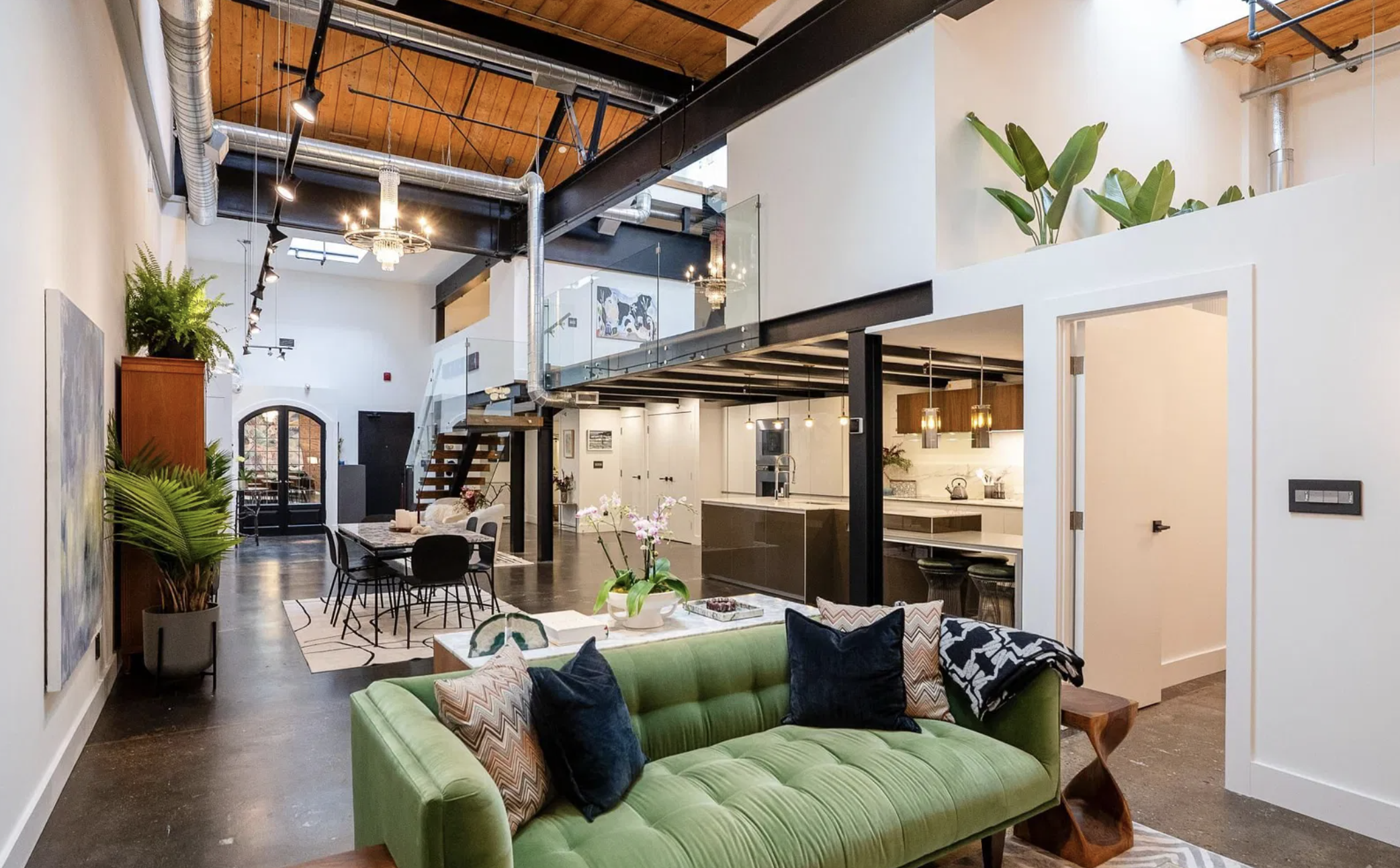
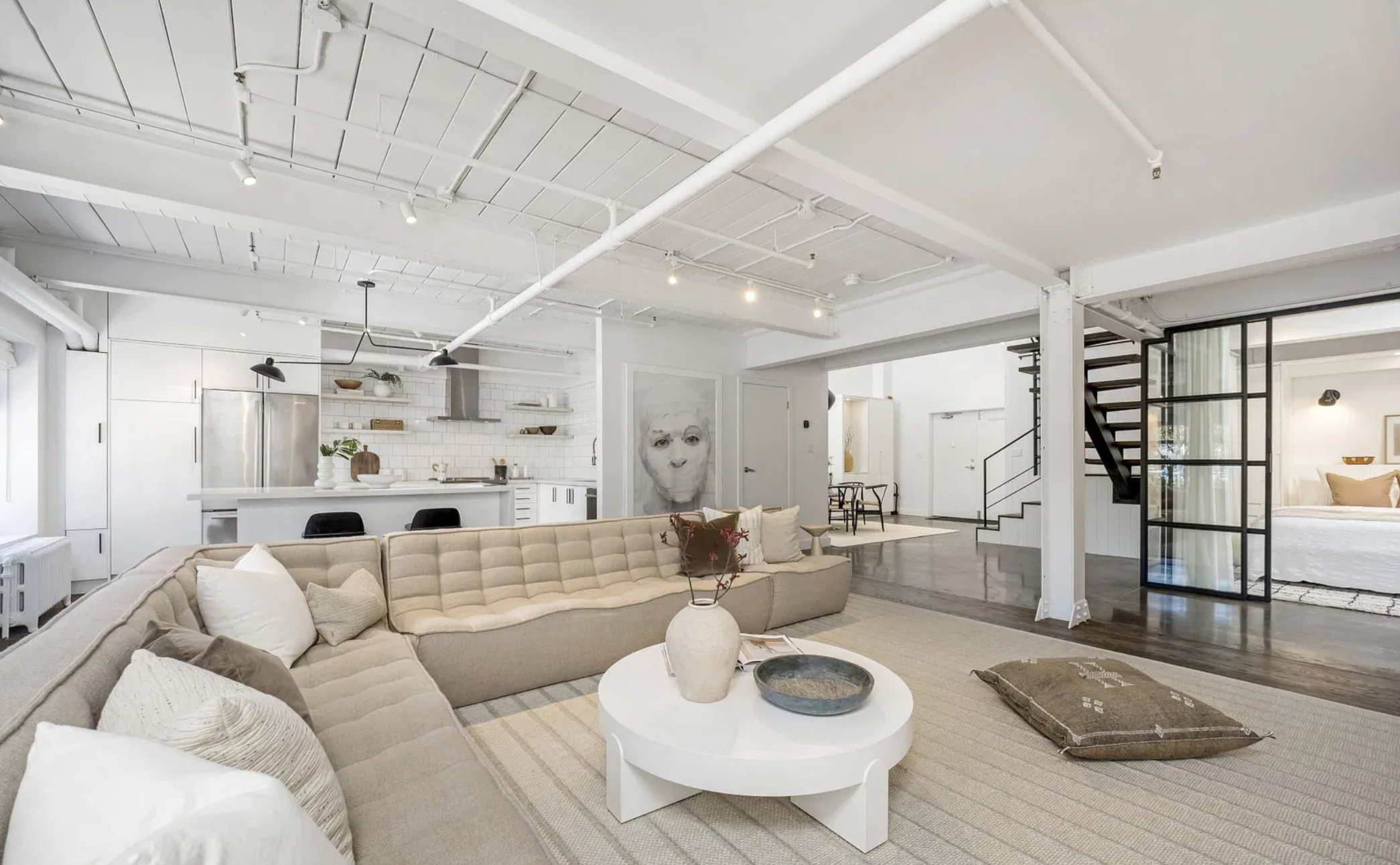
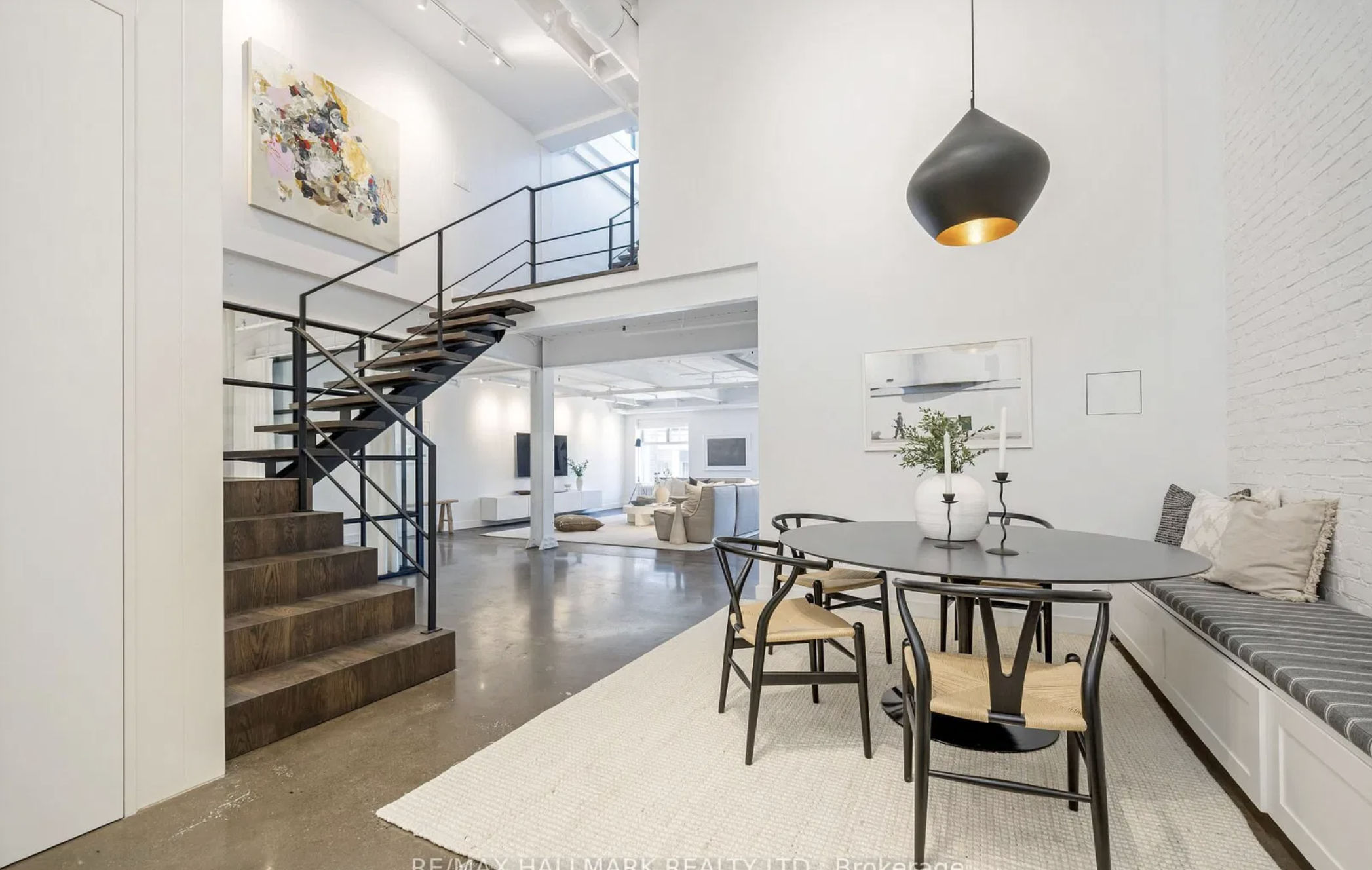
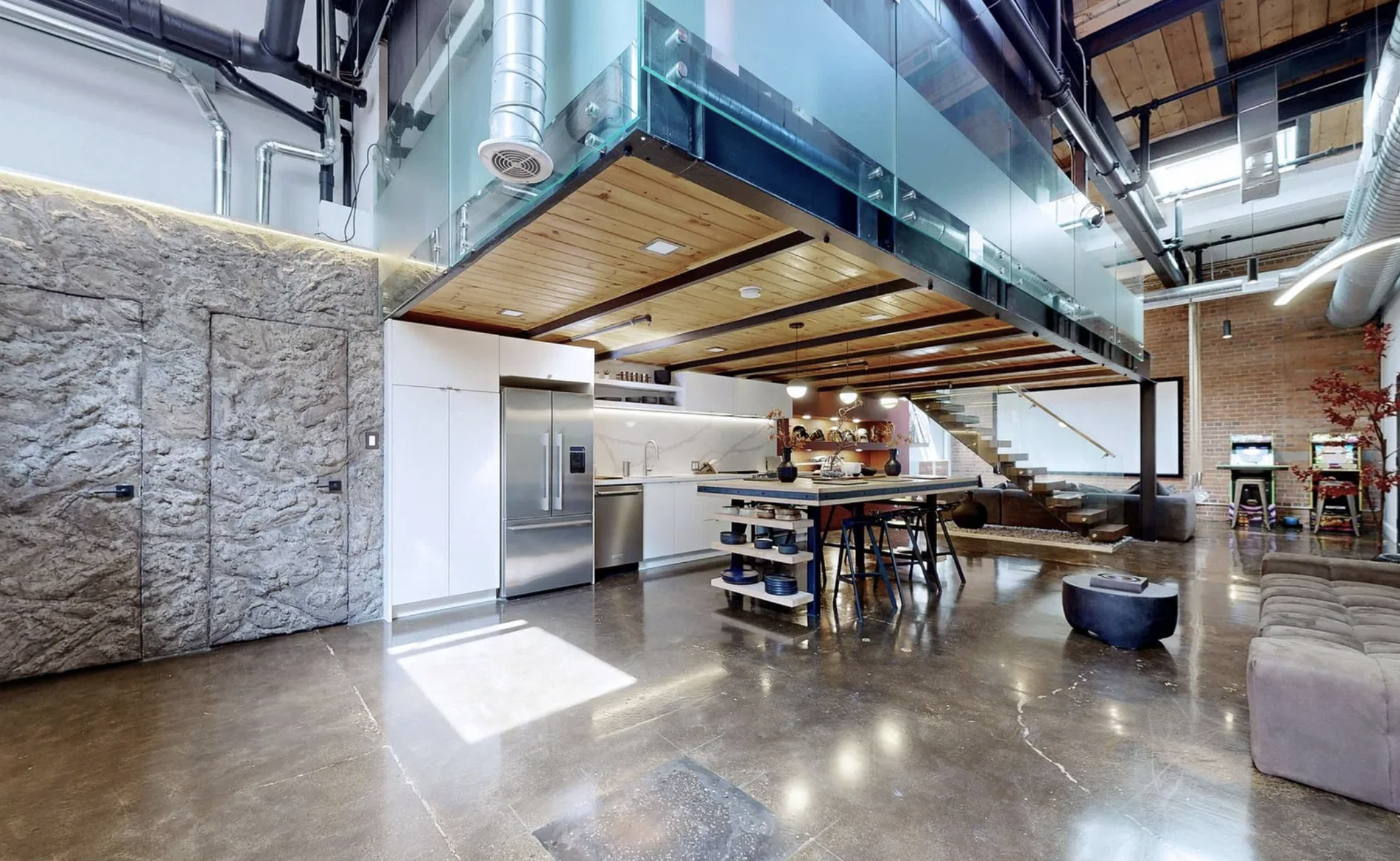
The i-Zone Lofts is the most architecturally complex building on this list, and that is not a compliment or a criticism, just a fact. It spans three addresses (326 Carlaw, 1159 Dundas, and 1173 Dundas), between two and four storeys depending on which section you are in, and was built across multiple phases and ownership structures spanning the early 1900s through the 1950s. Pratt Food Company was here. Sturgeon's British Paint. Various other manufacturers who left no surviving records. What they all left behind was 160,000 square feet of interconnected industrial space that Atria Development converted into 101 live/work loft units. Atria is the same developer responsible for the Wrigley Lofts across the street.
The defining quality of i-Zone is variety. Units range from approximately 500 to over 3,000 square feet. Layouts are some of the most varied of any loft development in the city, because the original floorplates were so irregular, and because early buyers had significant freedom to design their own spaces, no two suites present the same proportions. Some are huge open studios. Some feel like private live/work complexes. Most have been substantially renovated by previous owners, which means what you buy depends heavily on who owned it before you and how seriously they took it.
Like Wrigley Lofts across the street, live/work zoning means some units are occupied by businesses during the day. The rooftop terrace and party room add a communal layer that the Wrigley building lacks. The location at Carlaw and Dundas, steps from both Queen East and the Danforth bus, is among the most connected addresses in Leslieville.
At $921 per square foot, i-Zone sits in the middle of the Carlaw corridor pricing band and trades on variety and connectivity. The unit you buy here matters more than in most buildings. Get the right one and the value story is strong. Get the wrong one and you are paying for someone else's unfinished vision.
KEY FACTS
//
KEY FACTS //
Architectural Details:
• Exposed brick and concrete across multiple building phases
• Industrial window openings (size and style varies by section)
• Live/work configurations throughout
• Open-concept studio-scale layouts
• Interior variety from multi-phase construction
Amenities:
• Multi-purpose party room
• Parking garage
• Rooftop deck
•live/work zoning
Original Use: Pratt Food Company, Sturgeon's British Paint, and others
Built: Early 1900s
Converted: 2002
Storeys: 4
Units: 101
Unit Size Range: 466 sqft - 1819 sqft
Market Personality:
True live/work hard loft building with massive layout variety. Quality varies by unit depending on original buyer buildout. Know what you are walking into. Every suite is a different product.
Buyer Profile:
Creative professionals, small business owners, and live/work buyers who need studio-scale space and appreciate a building where the corridors are as interesting as the units.
WRIGLEY LOFTS
📍 245 Carlaw Ave
Neighbourhood: Leslieville / South Riverdale
Avg $883 per square foot
BUILDING HISTORY & LOFT DETAILS
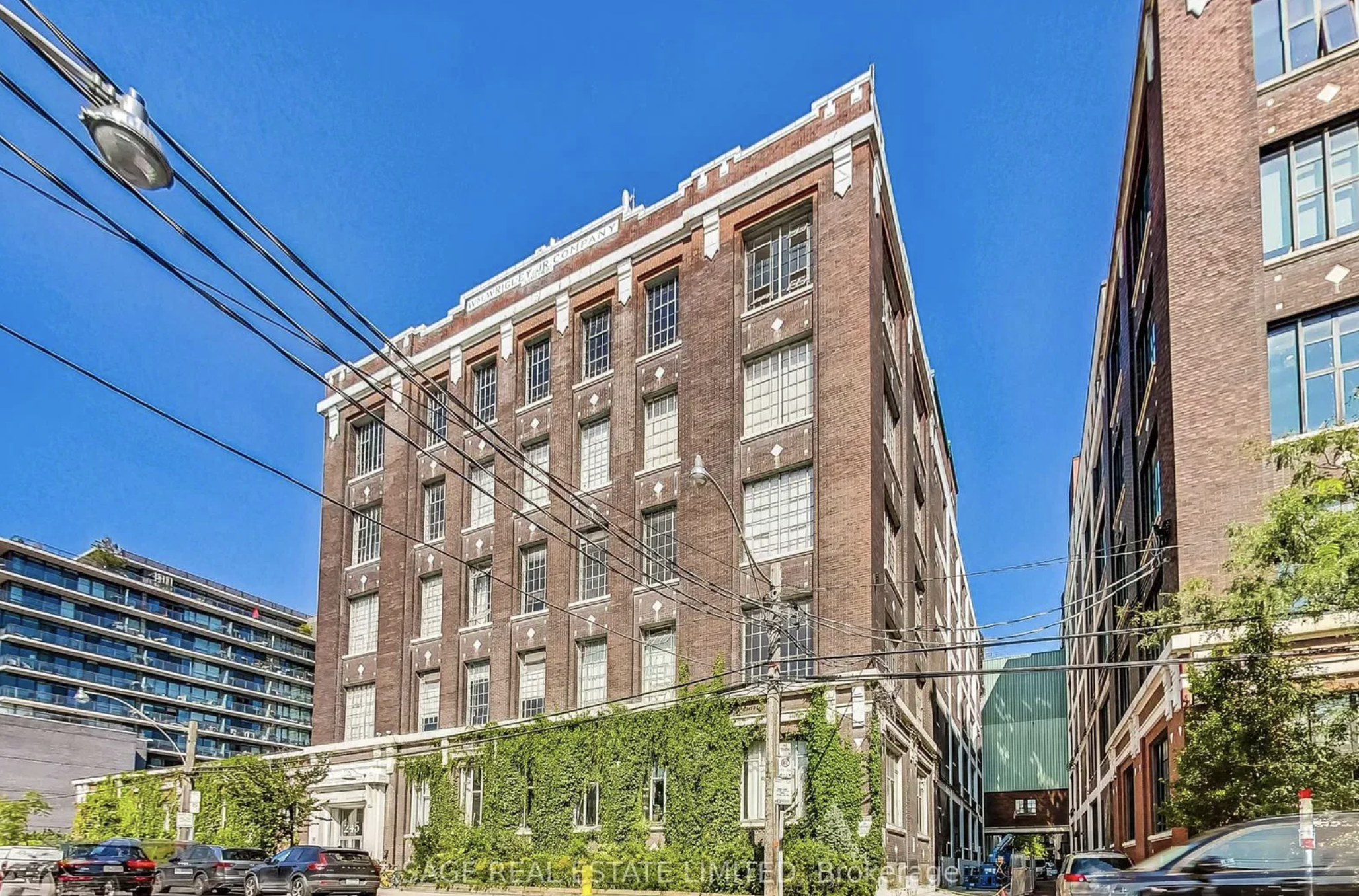
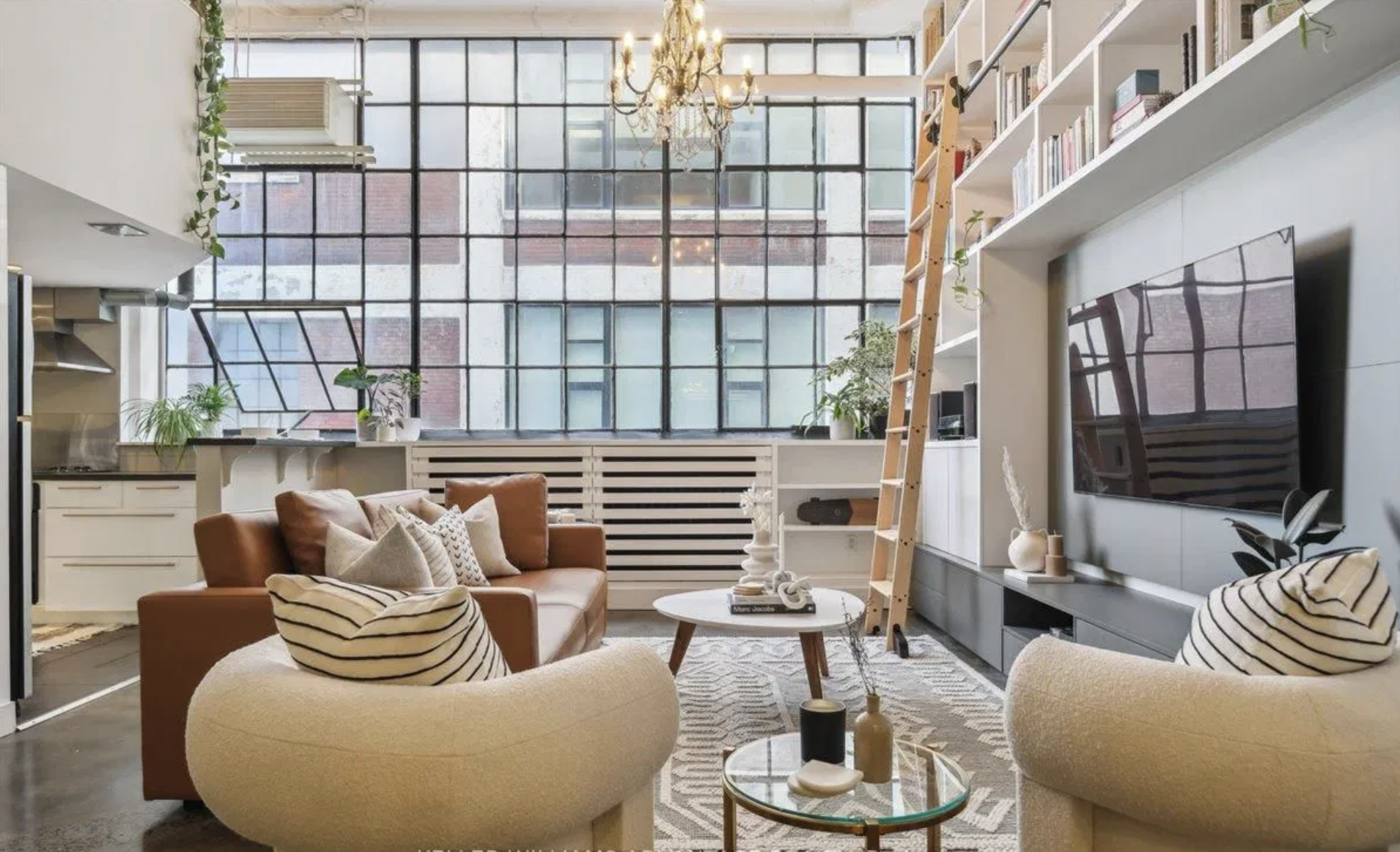
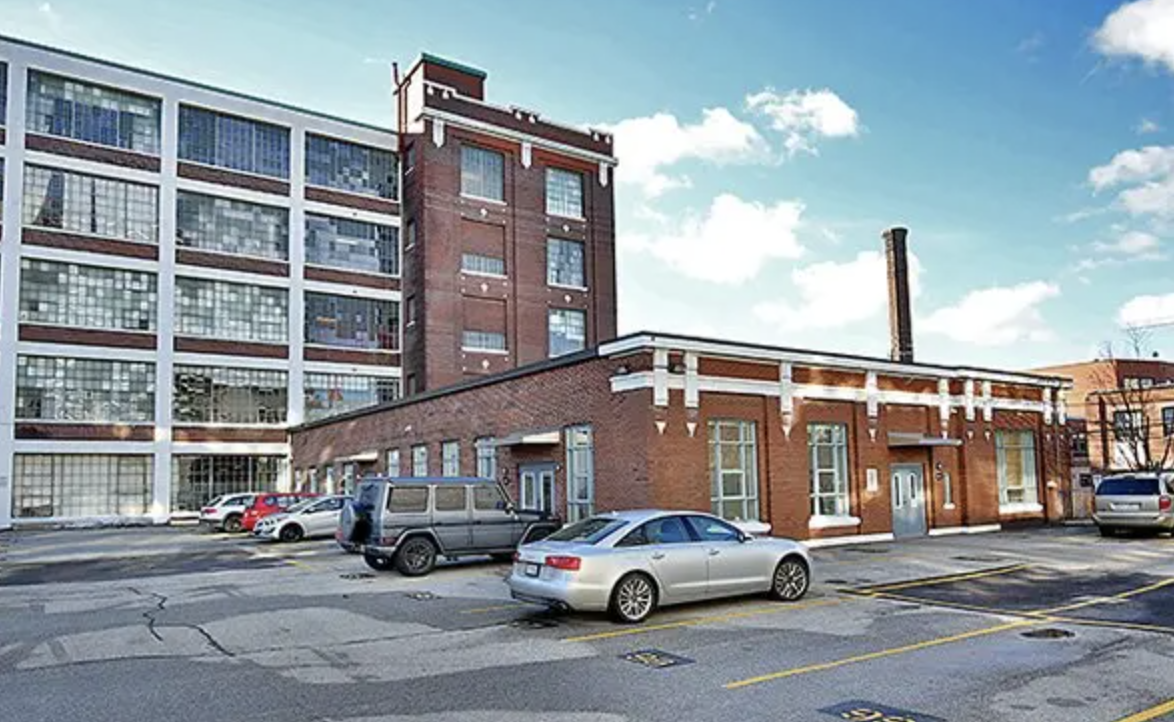
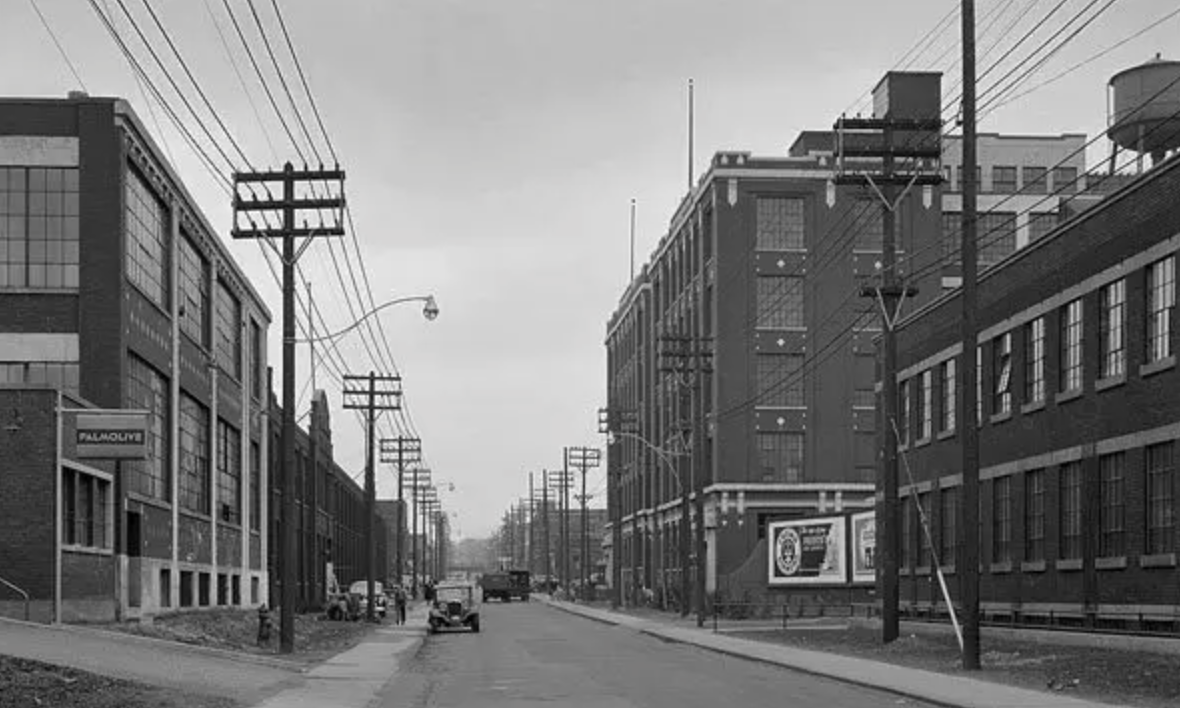
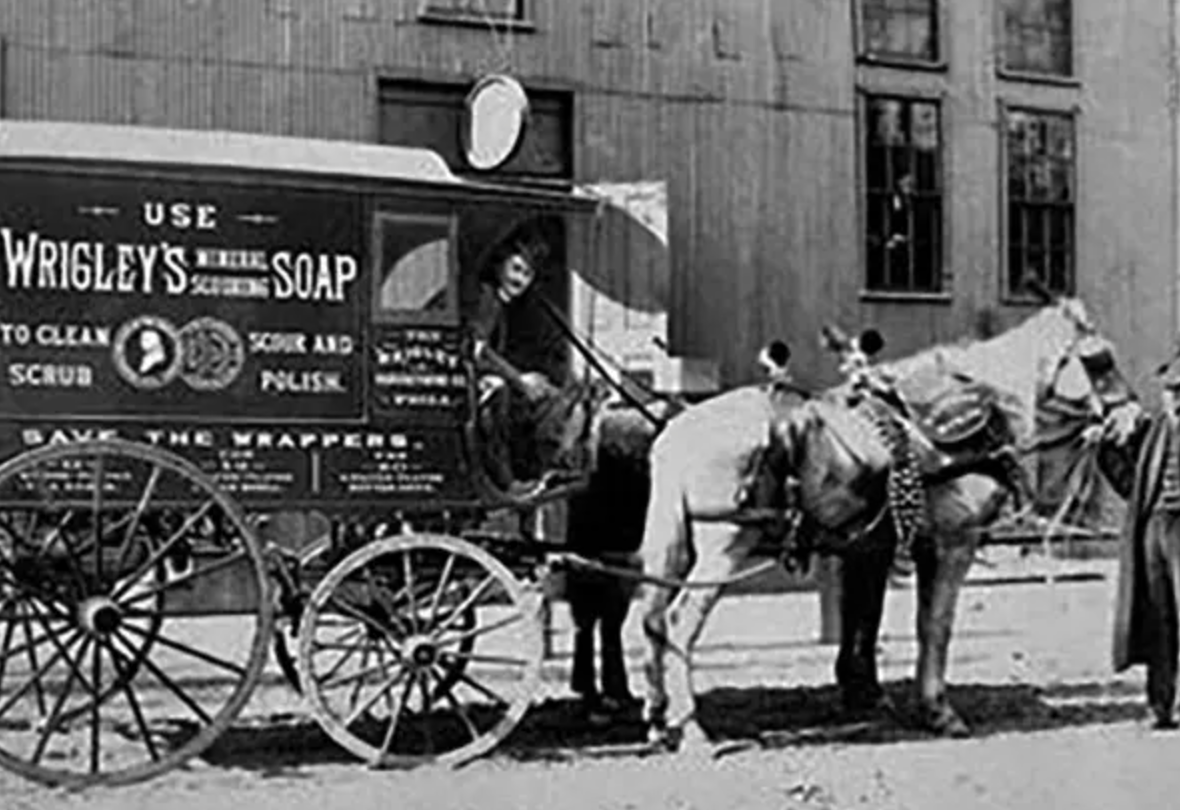
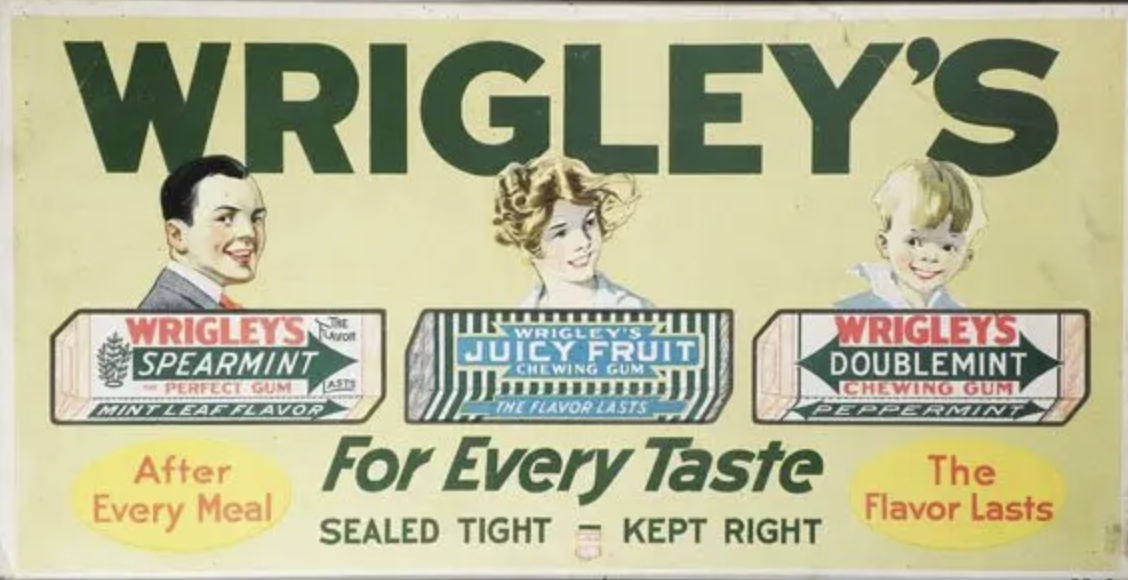
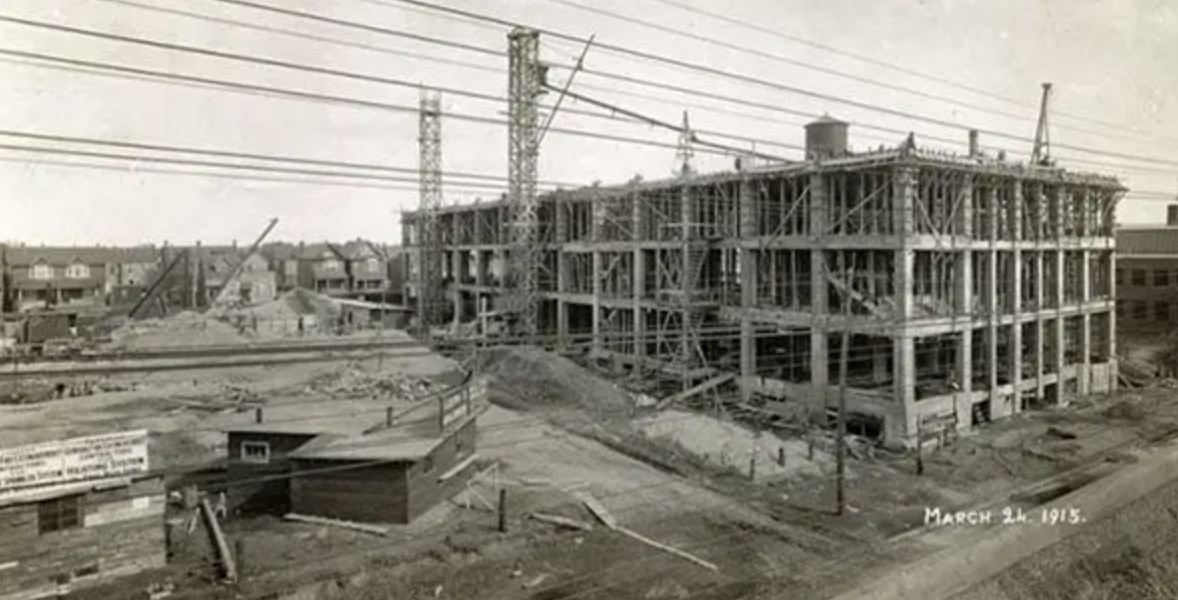
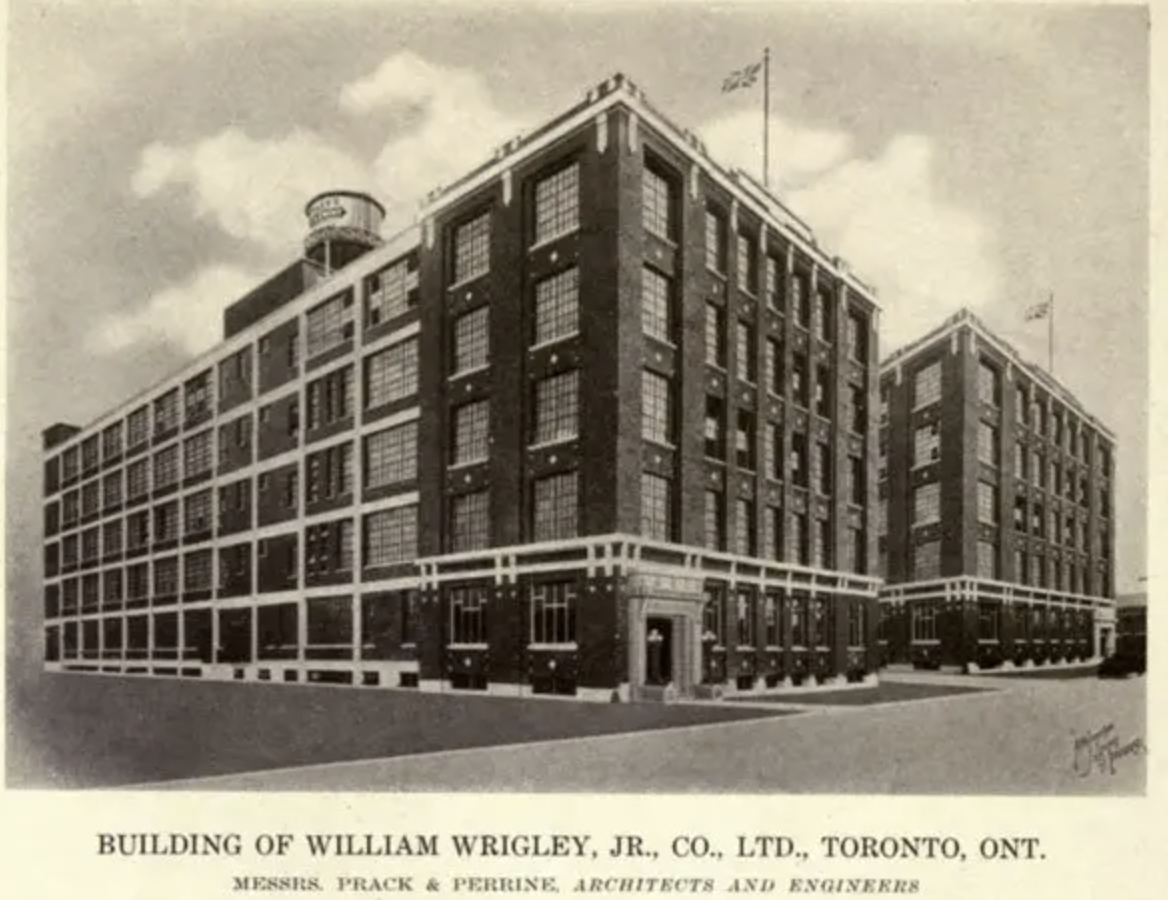
In 1914, construction began on Carlaw Avenue for Wm. Wrigley Jr. Company's new Canadian manufacturing headquarters. The south building was completed in 1916, and the north building, now the lofts, in 1917. The architects were Prack and Perrine, also responsible for the Palmolive Building across the street. Wrigley gum was produced and packaged here until 1963, when the operation moved to a larger plant at Leslie and Eglinton.
What happened next is the part that makes loft historians smile. In the 1980s, the building sat vacant and became an artists squat. Designers, photographers, and creatives moved in informally, working and sometimes living not-quite-legally in the raw industrial spaces. When Atria Development converted the building to lofts in 1998, they essentially drywalled and separated the spaces those artists were already using and sold them for approximately $100 per square foot. Buyers got blank canvases. Then they designed them.
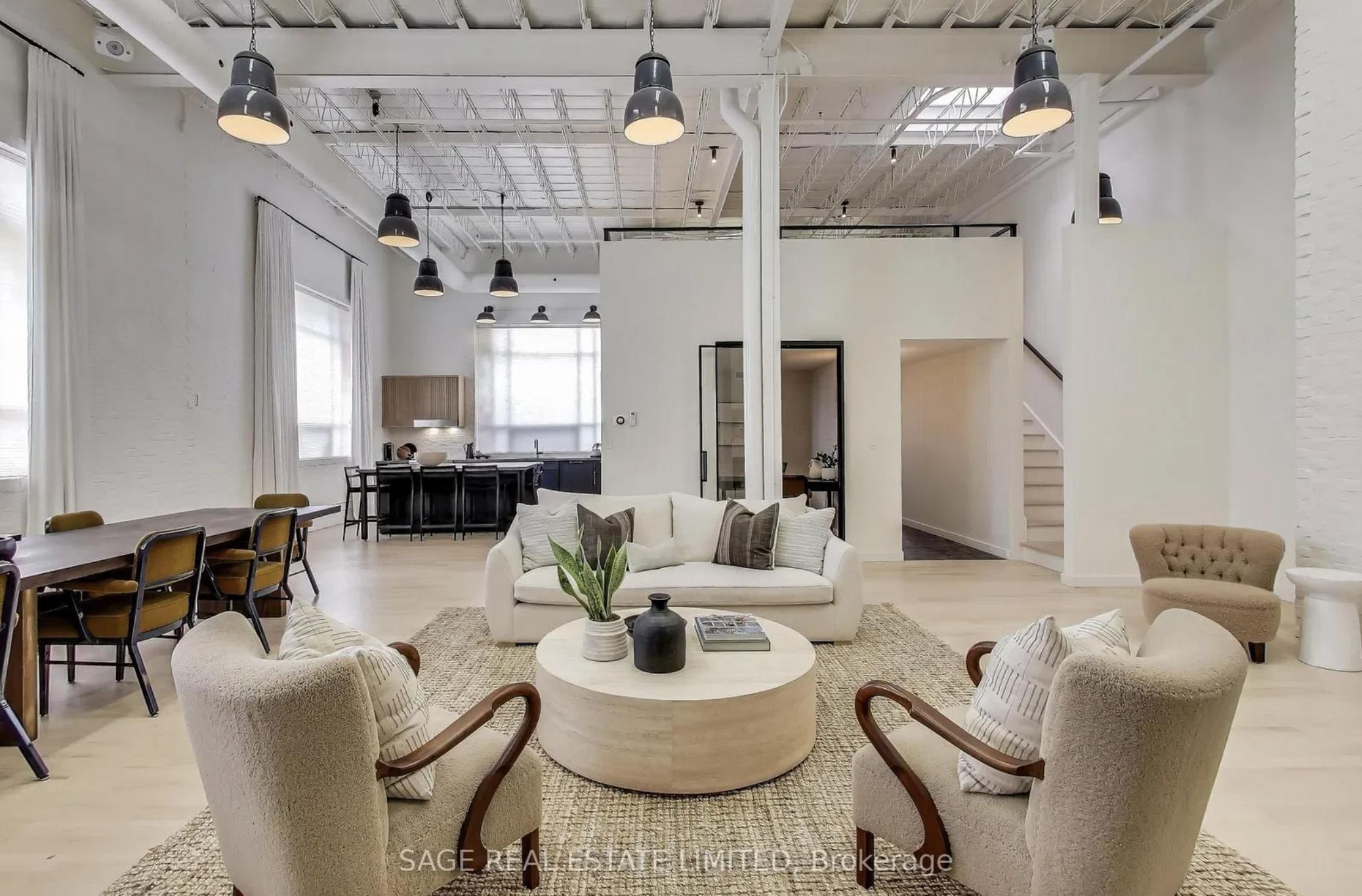
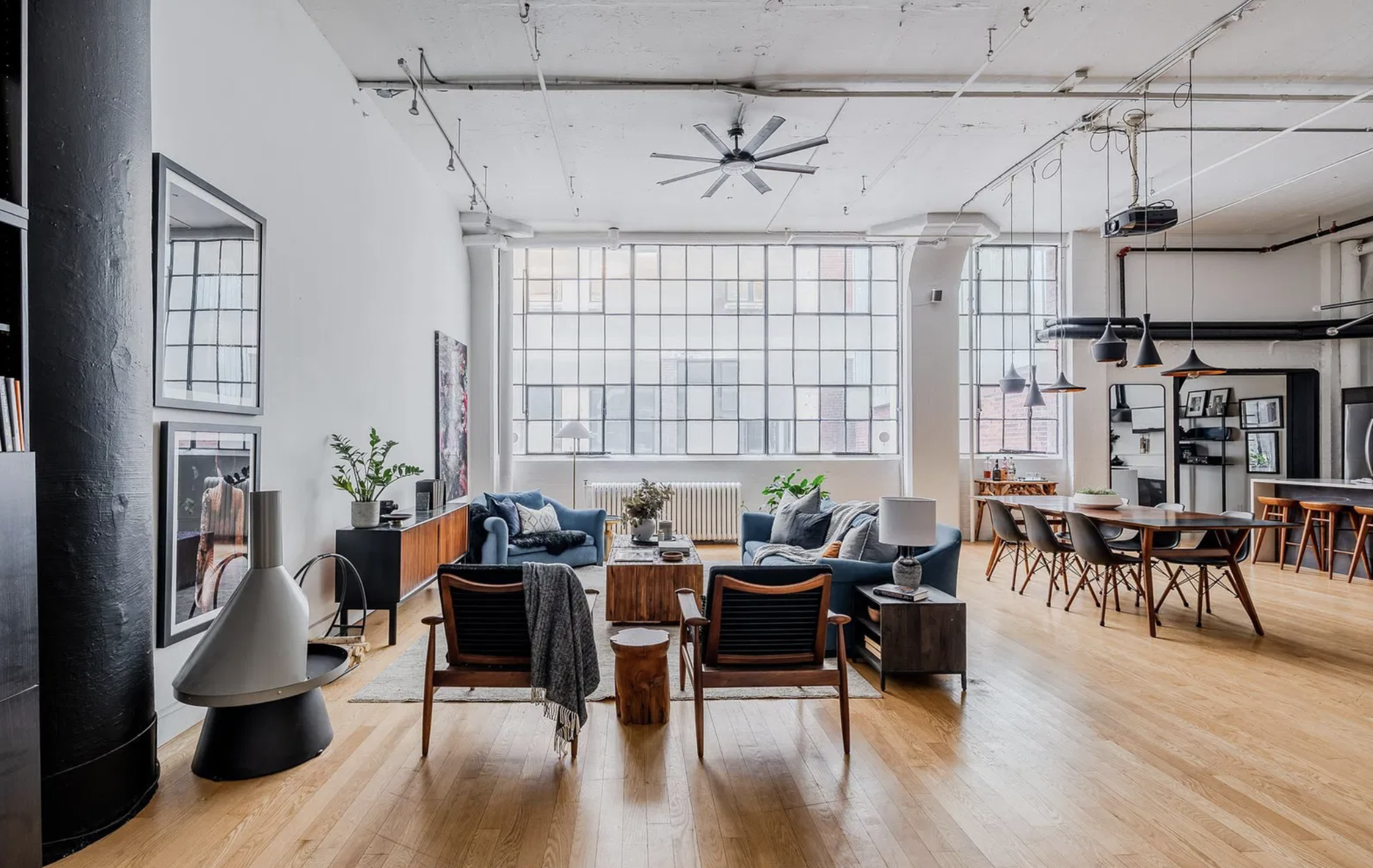
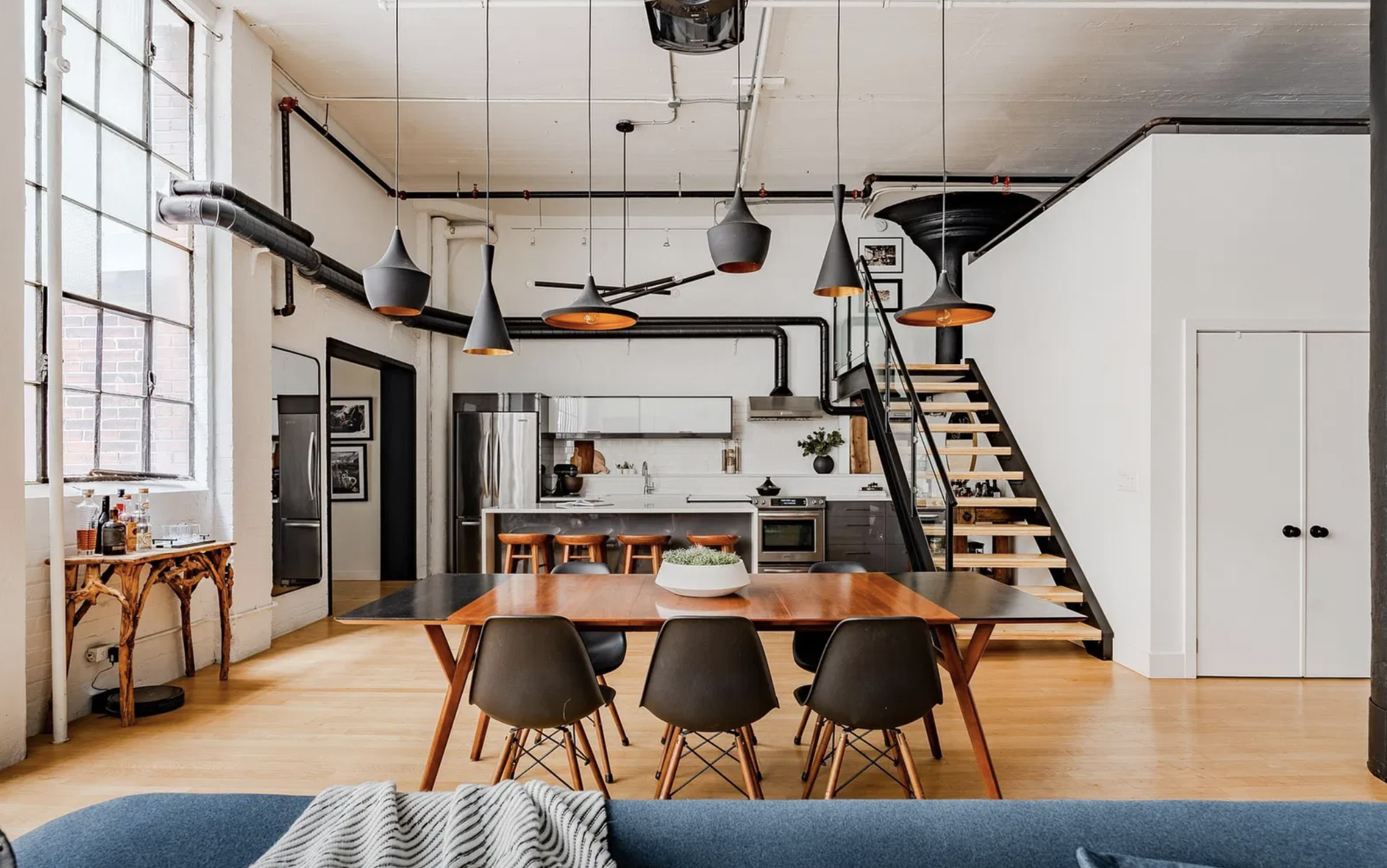
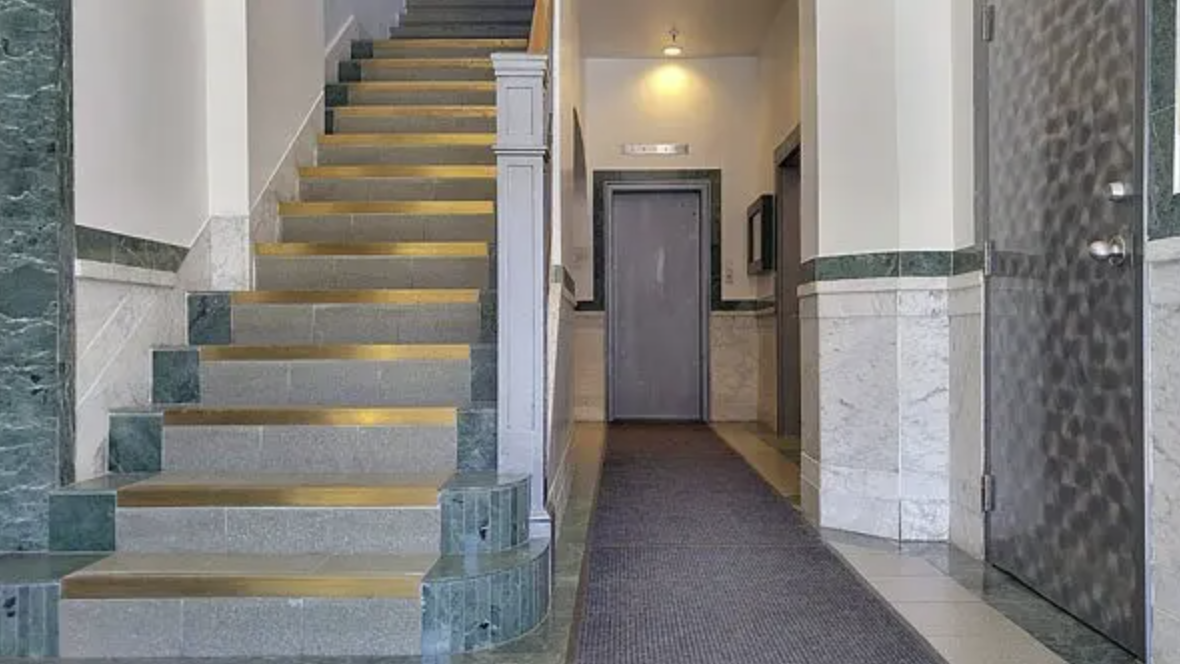
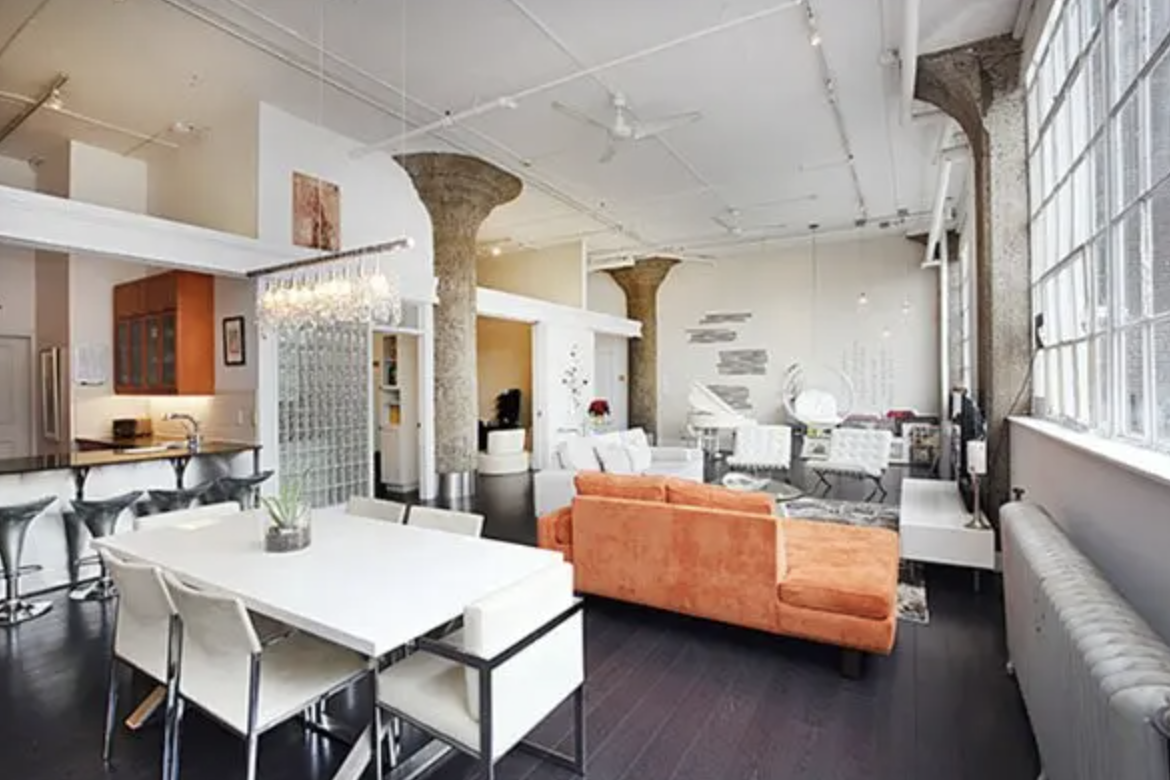
That origin story explains why no two units in the Wrigley Lofts look alike. Every owner made their space their own, and the results range from minimalist studios to glass-saturated photographer's dens to mezzanine-heavy family lofts that span 3,000 square feet. The common denominator is 14 to 16-foot concrete ceilings, original concrete mushroom columns, massive metal-framed factory windows, and polished concrete floors. There is no outdoor space with any unit. All parking is surface. Amenities are modest. The bones are the amenity.
Live/work zoning is still in effect, which means some units are occupied by businesses during the day. The small, slow elevator sees constant courier traffic. If you are looking for quiet and convenience, this might not be your building. If you are looking for the most authentic New York-style hard loft experience in Toronto, it absolutely is.
At $883 per square foot, the Wrigley average is based on only two sales in the past year, which is itself a data point. This building does not turn over. When it does, the price reflects whoever renovated the unit and how seriously they took it. The floor and the ceiling here are further apart than almost any other building on this list.
*Only 2 sales in the past 365 days. Directional average only
KEY FACTS
//
KEY FACTS //
Architectural Details:
• Original concrete mushroom columns
• 14–16 ft polished concrete ceilings
• Original metal-framed factory windows
• Mezzanine bedrooms with custom staircases
• No two units identical,
Amenities:
• Bike Storage
• Party room
• Meeting room
• Outdoor garden patio
Original Use: Wrigley Jr. Company chewing gum factory
Built: 1914
Converted: 1998
Storeys: 5
Units: 81
Unit Size Range: 300 sqft – 3,000+ sq
Market Personality:
The most authentic New York-style hard loft conversion in Toronto. High owner-occupancy, extremely low turnover, and a creative buyer base that has never wanted to leave.
Buyer Profile:
Photographers, designers, architects, and creative professionals who need live/work space with maximum volume, zero interference, and the credibility of one of the city's most legendary loft addresses.
BOILER FACTORY LOFTS
📍 189 Queen St E
Neighbourhood: Downtown East / Moss Park
Avg $870 per square foot
BUILDING HISTORY & LOFT DETAILS
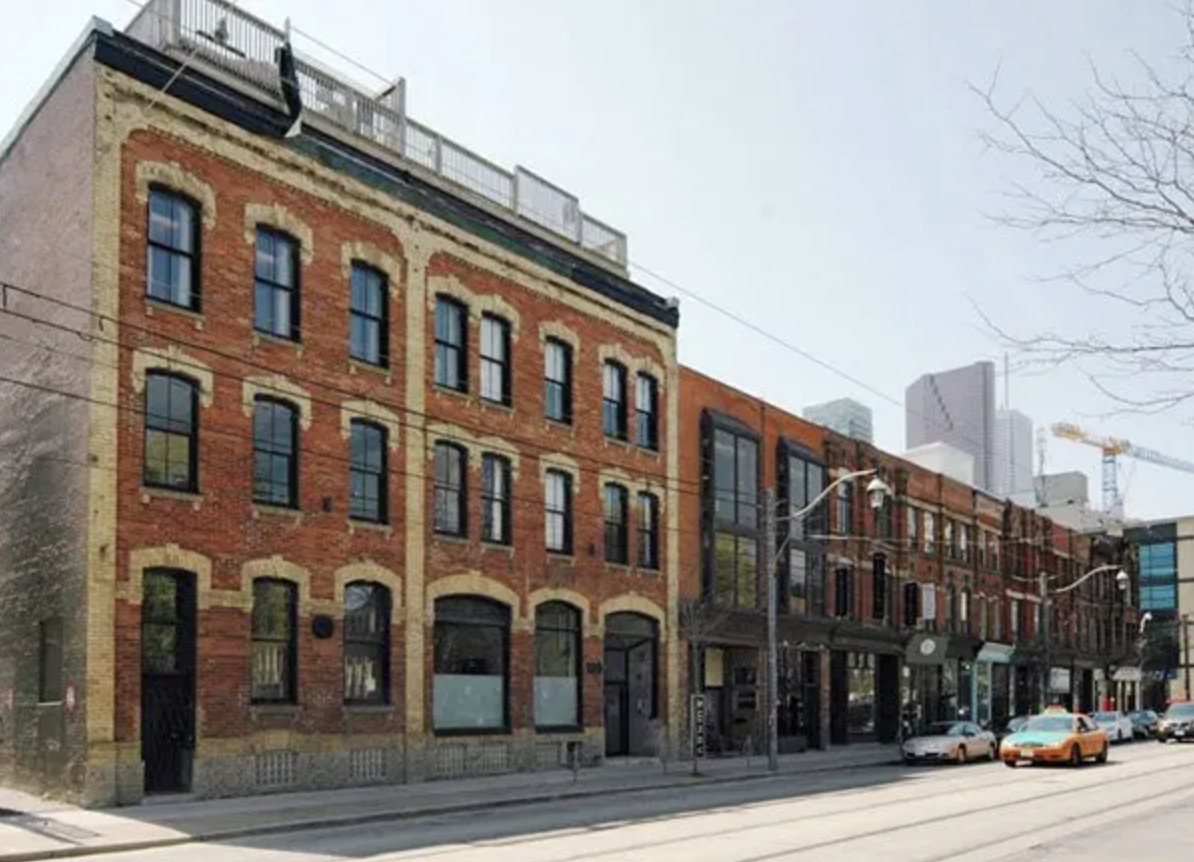
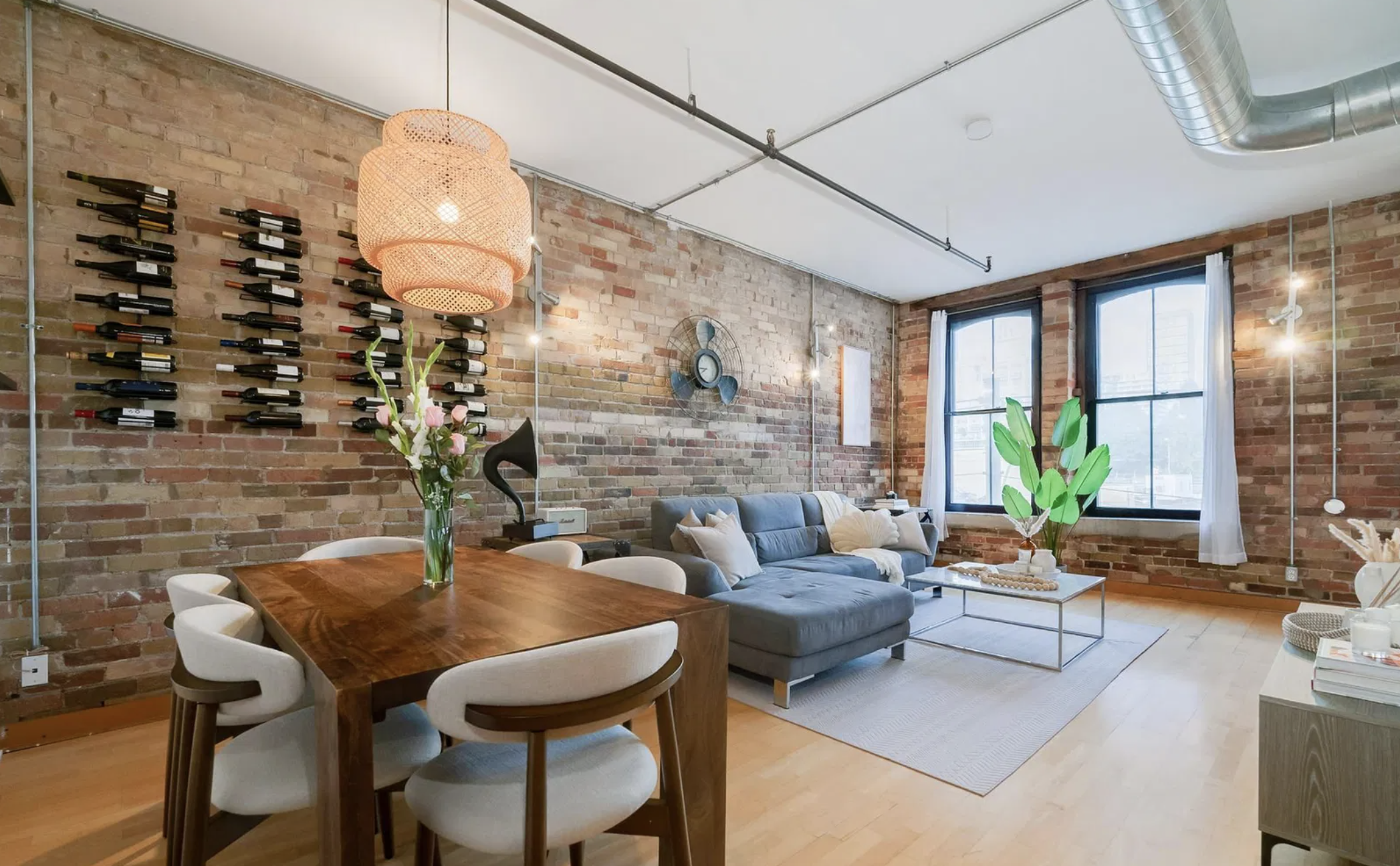
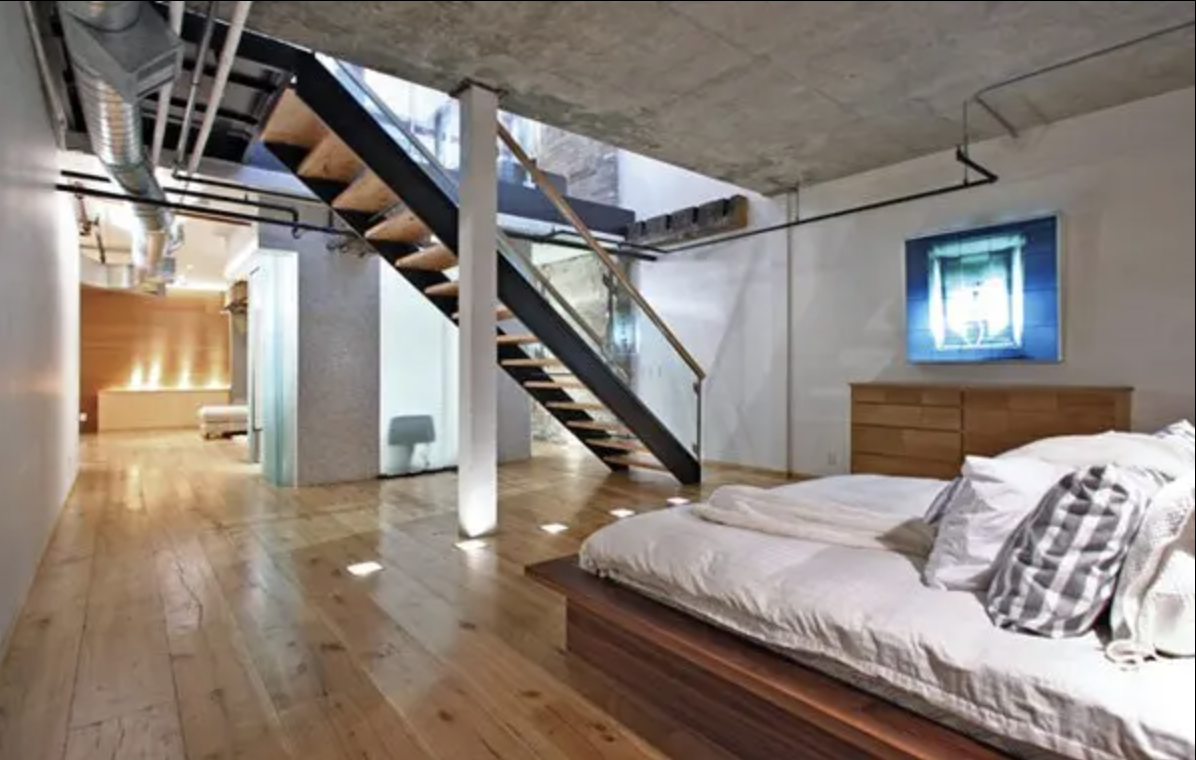
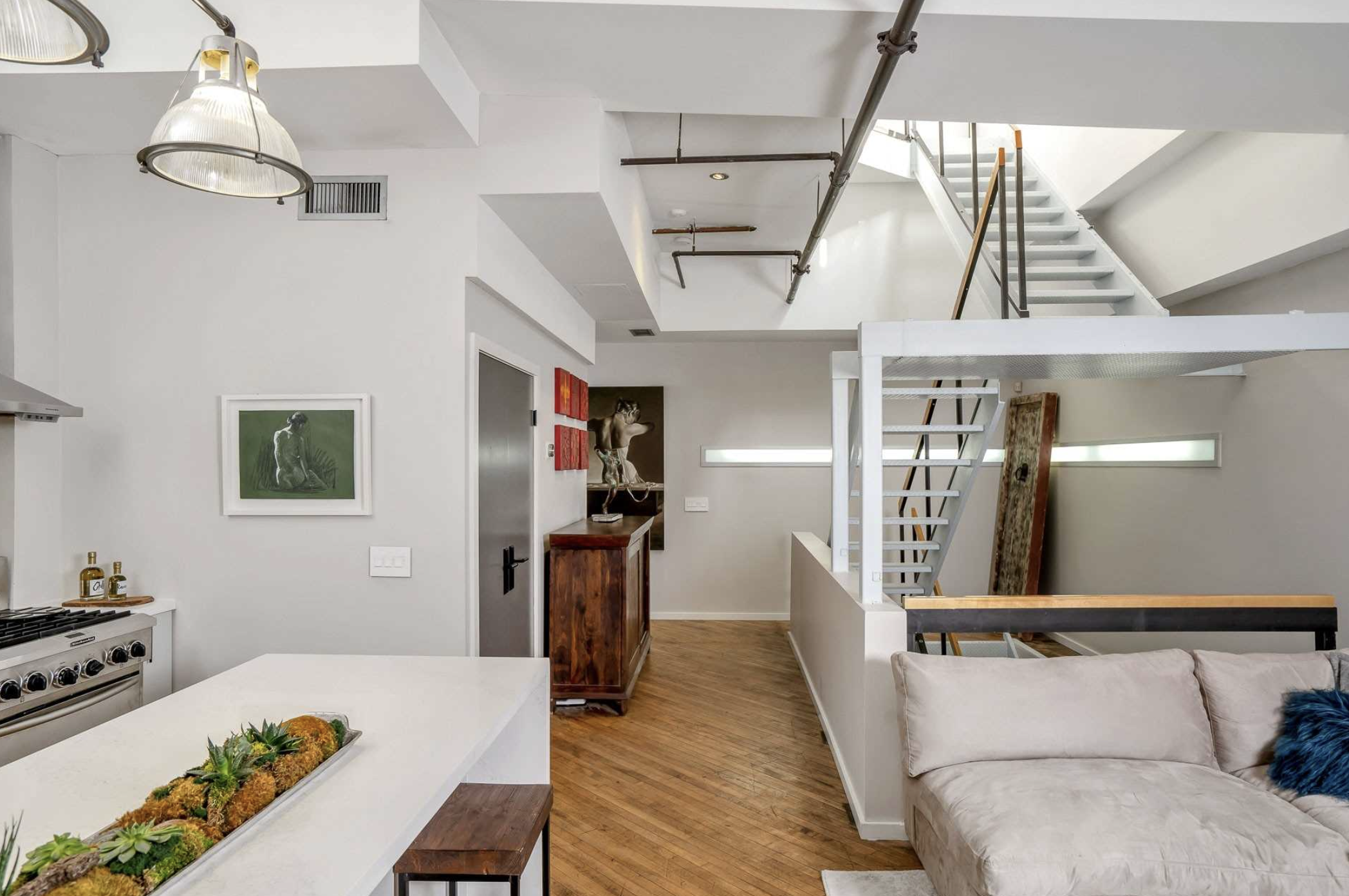
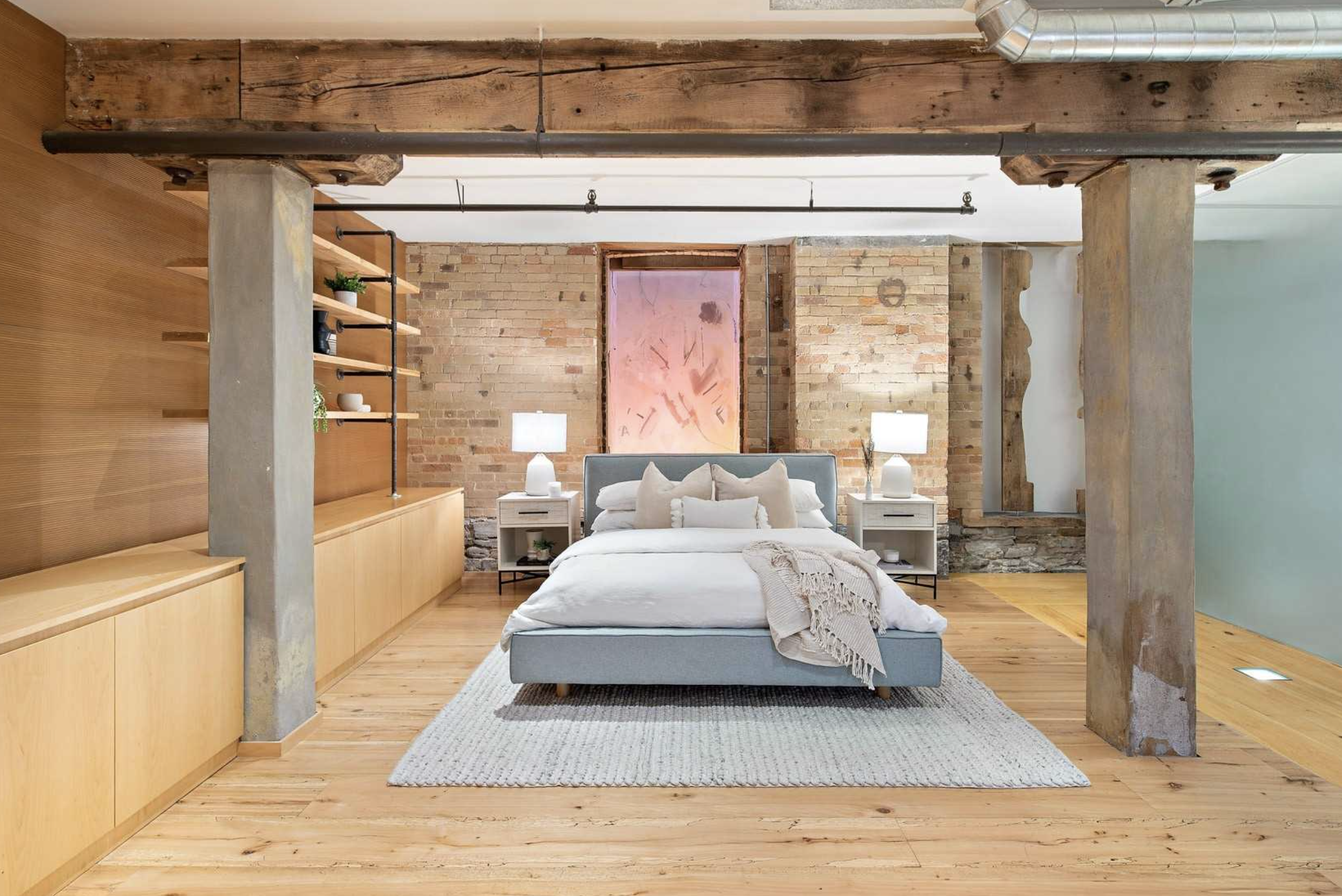
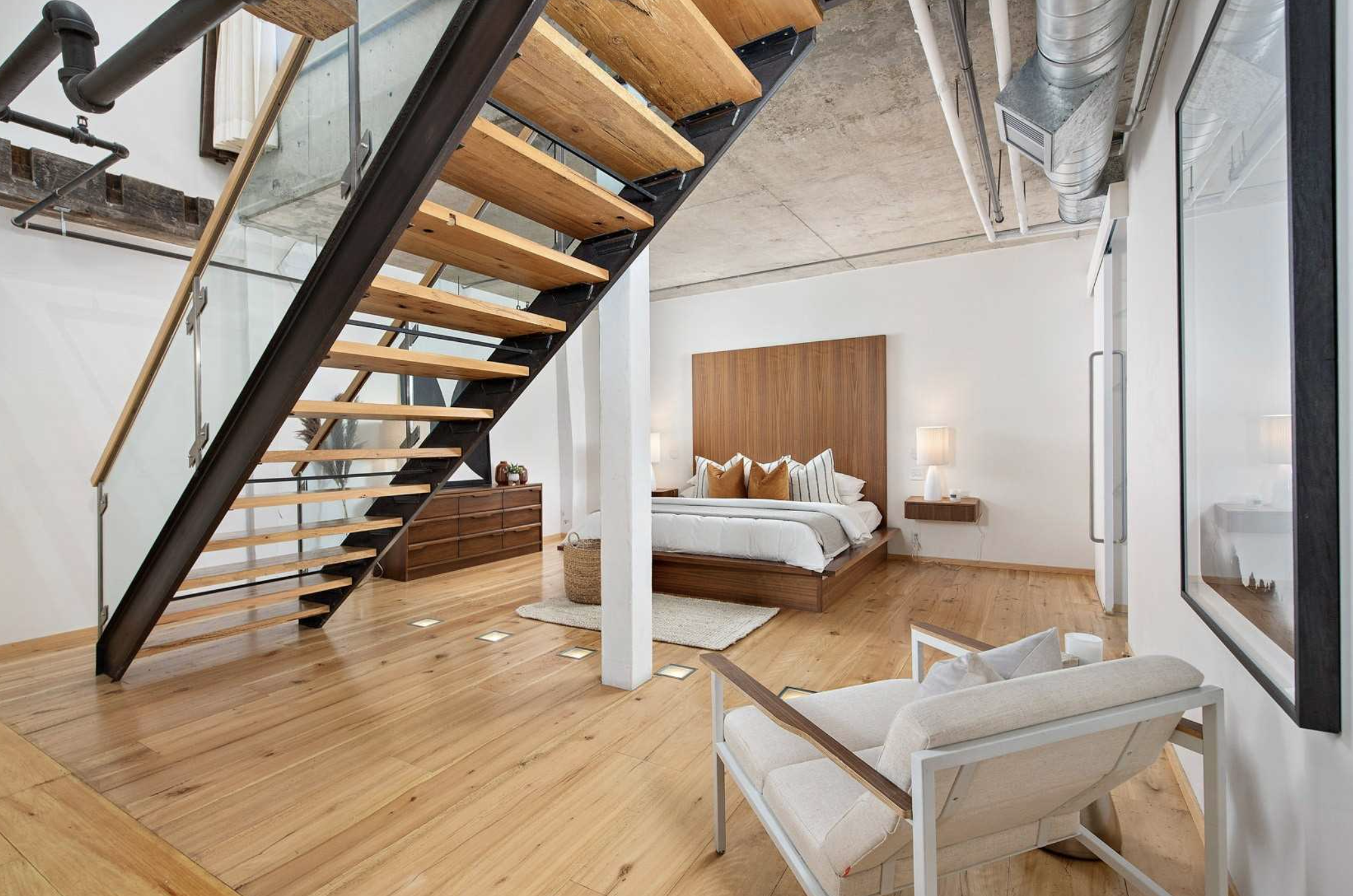
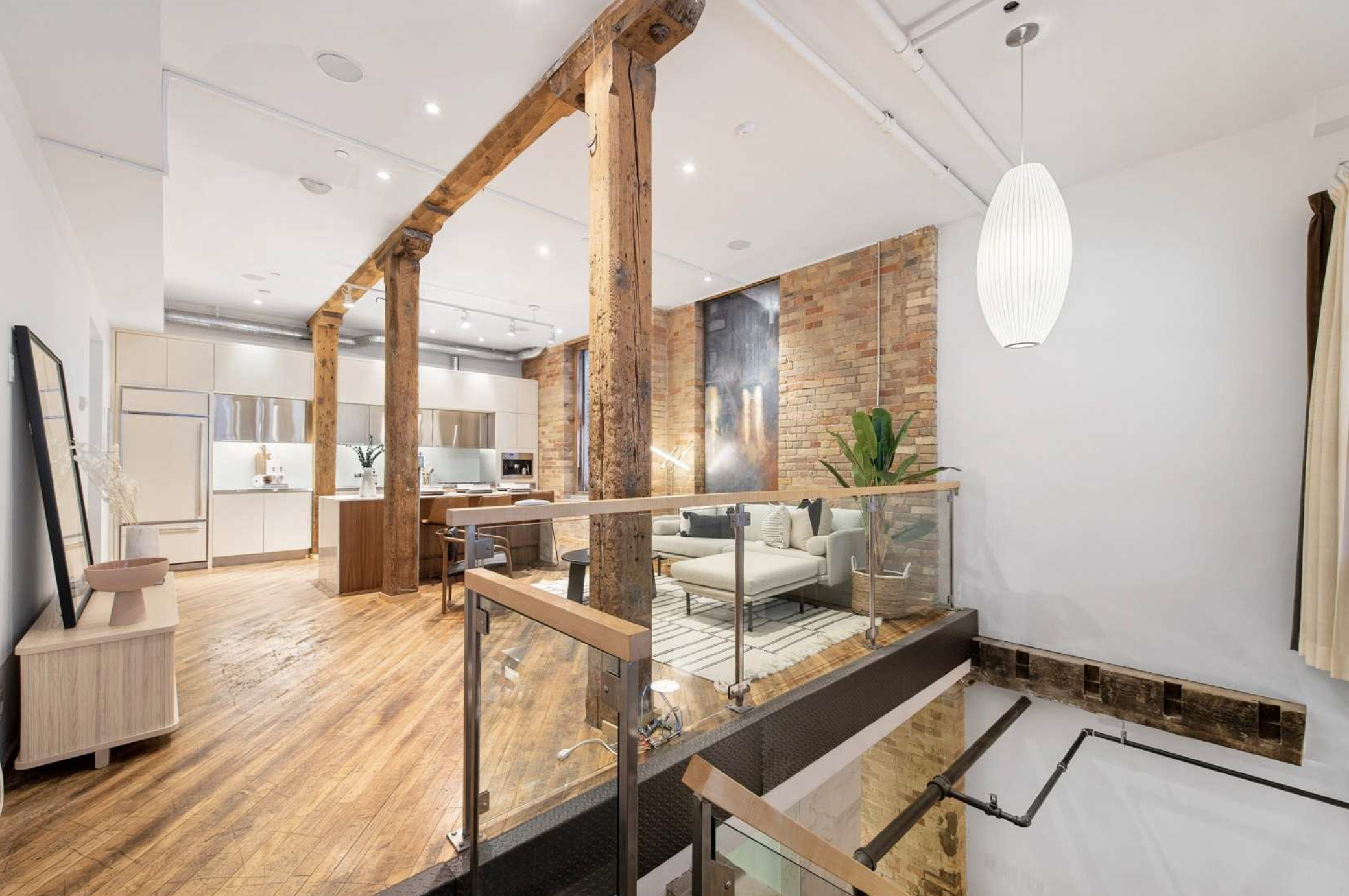
Built in the 1880s with a lovely Italianate façade that looks considerably more refined than the industrial activity it was built for, the Boiler Factory Lofts at 189 Queen Street East is one of the oldest hard loft conversions in the city. Developer Paul De Haas converted the building to 11 residential units in 2003, the same developer responsible for the Knitting Mill Lofts at 426 Queen East, giving original buyers the chance to custom design their own spaces from the ground up. As with any small boutique conversion from that era, no two units ended up looking alike.
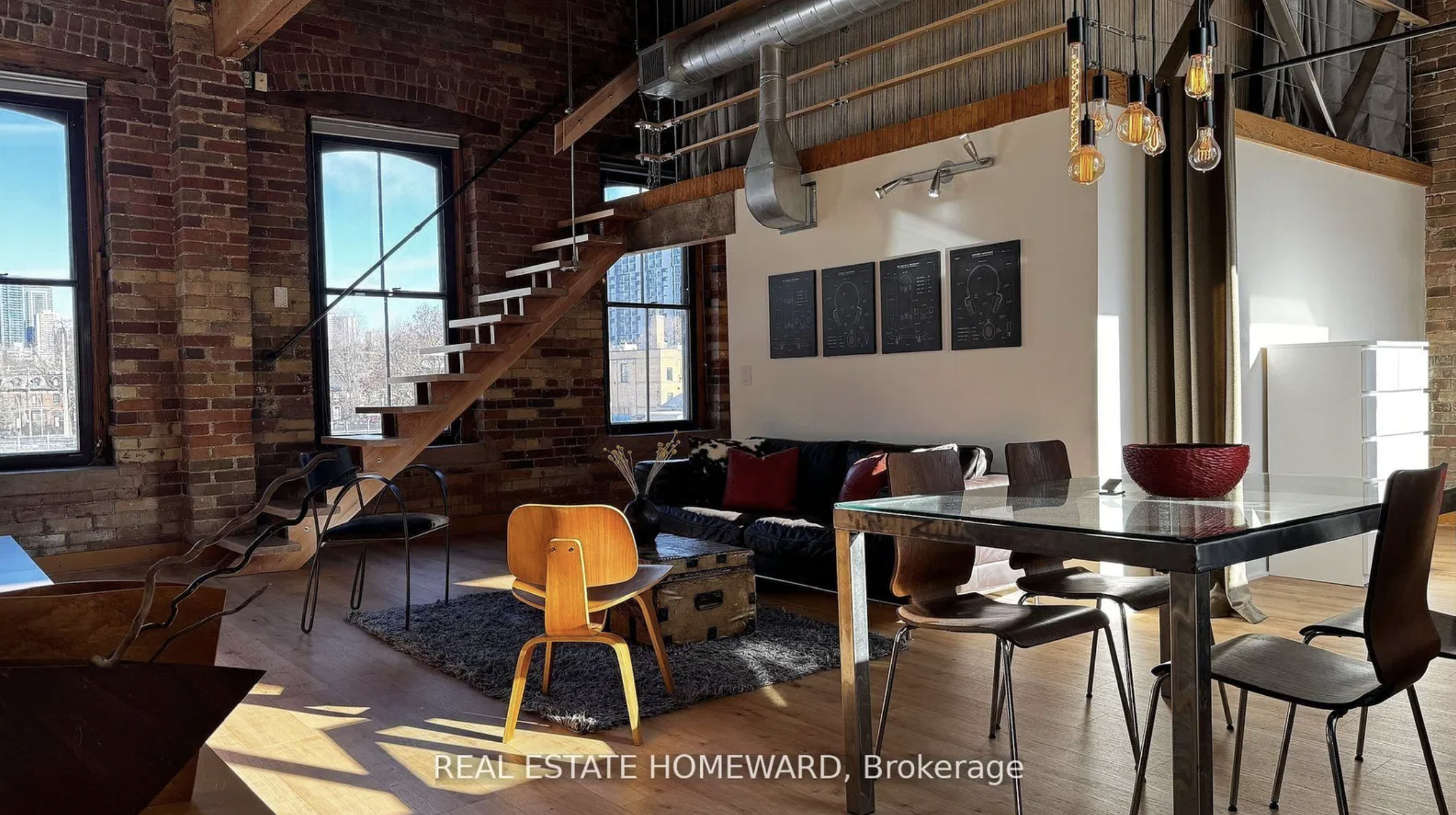
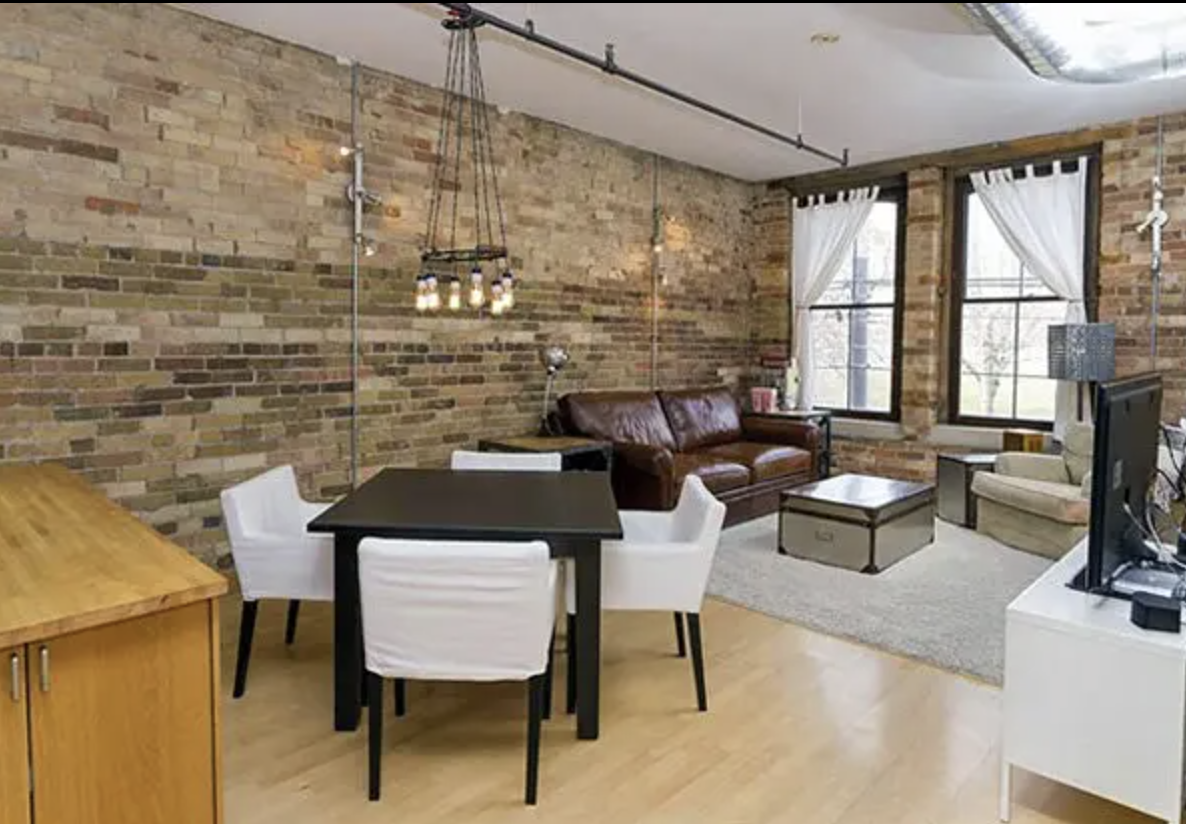
The interior brick runs buff rather than the red brick that defines the exterior, which creates an unusually warm tone inside that most loft conversions do not achieve. Post and beam ceilings reach 14 feet. Some units are multi-level. Most have private balconies or terraces of approximately 235 square feet, a genuinely rare feature for a hard loft at this scale. The building also includes a fitness centre and a rooftop deck, which is a surprising amenity package for an 11-unit boutique conversion.
The Queen East address is worth addressing directly. At 189 Queen East, you are west of the Broadview axis, in a stretch of the street that has historically been rougher and slower to gentrify than the Leslieville corridor to the east. That location story has suppressed pricing relative to architectural quality, which has historically been where informed buyers position themselves. Moss Park is directly across the street. The streetcar stops at the door.
At $870 per square foot, the Boiler Factory prices below its architectural quality because the neighbourhood is doing the discounting, not the building. An 1880s Italianate conversion with 14-foot ceilings, private terraces, and a rooftop deck trading at $870 is a gap that rewards buyers who look at product before postcode.
*Limited sales volume due to ultra-low unit count. Directional average
KEY FACTS
//
KEY FACTS //
Architectural Details:
• Italianate brick façade
• Buff exposed brick interiors (unusual warmth for a hard loft)
• Post and beam ceilings up to 14 ft
• Multi-level units in select suites
• Private balconies/terraces
Amenities:
• Fitness centre
• Swimming pool
• Rooftop deck
• Direct Queen streetcar access
• Boutique, low-density feel
Original Use: Boiler factory (1880s industrial)
Built: 1880s
Converted: 2003
Storeys: 3
Units: 11
Unit Size Range: 890 sqft - 2191 sqft
Market Personality:
Ultra boutique 1880s conversion with custom-designed units and unusual amenities for its scale. Location perception suppresses pricing relative to product quality. The gap between what the building is and what the market prices it at is where value lives.
Buyer Profile:
Value-driven hard loft buyers who understand that location psychology and building quality are different things, and are comfortable buying into a neighbourhood still finding its feet.
TANNERY LOFTS
📍 736 Dundas St E
Neighbourhood: Regent Park / Corktown
Avg $828 per square foot
BUILDING HISTORY & LOFT DETAILS
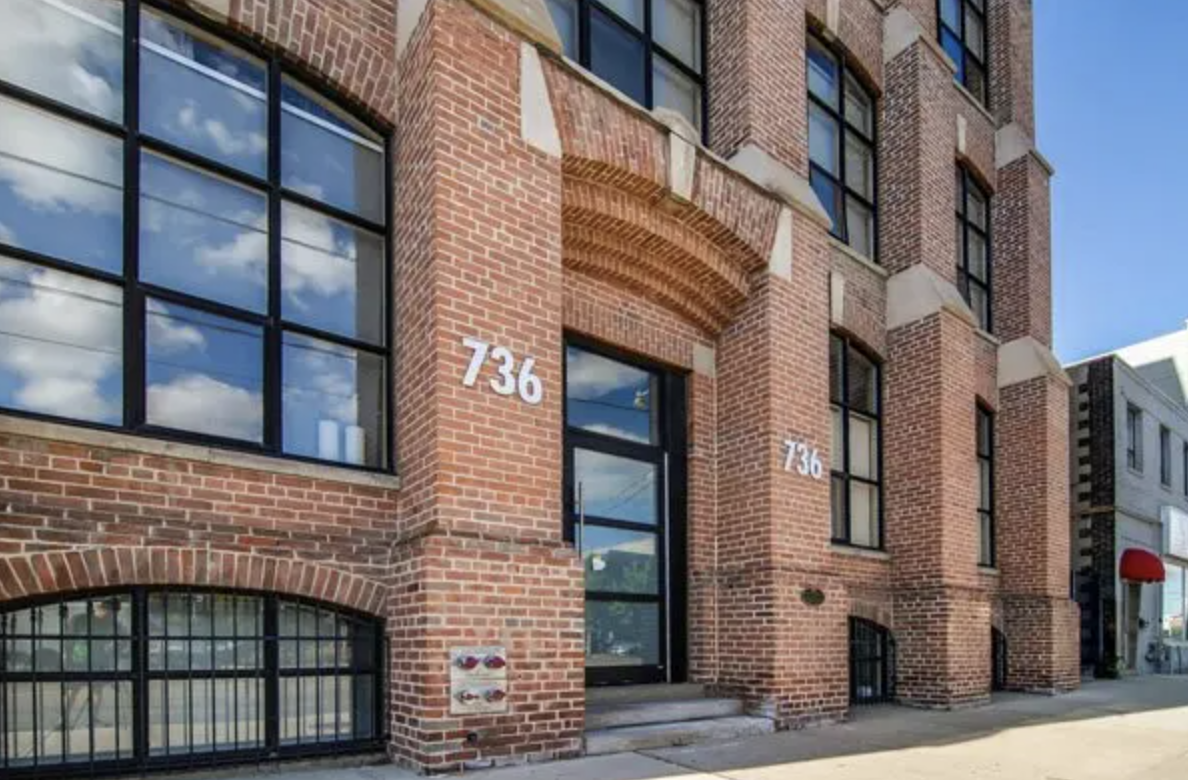
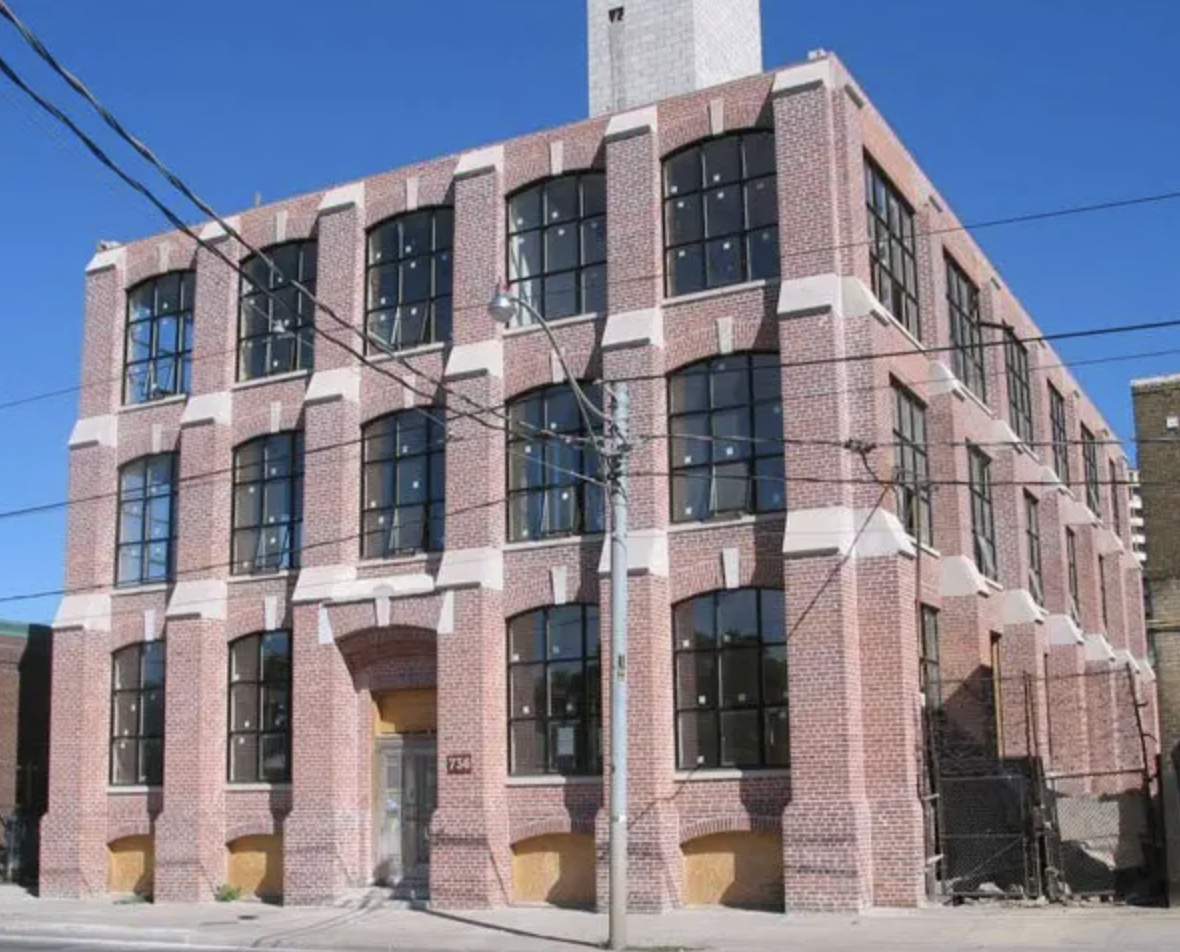
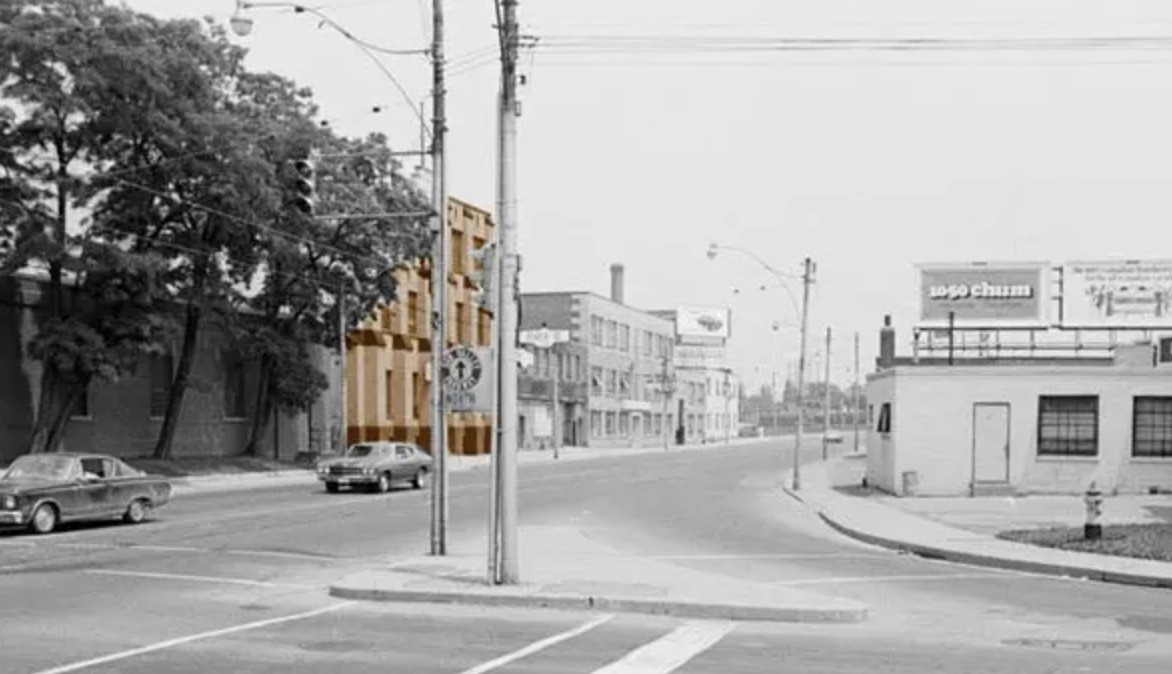
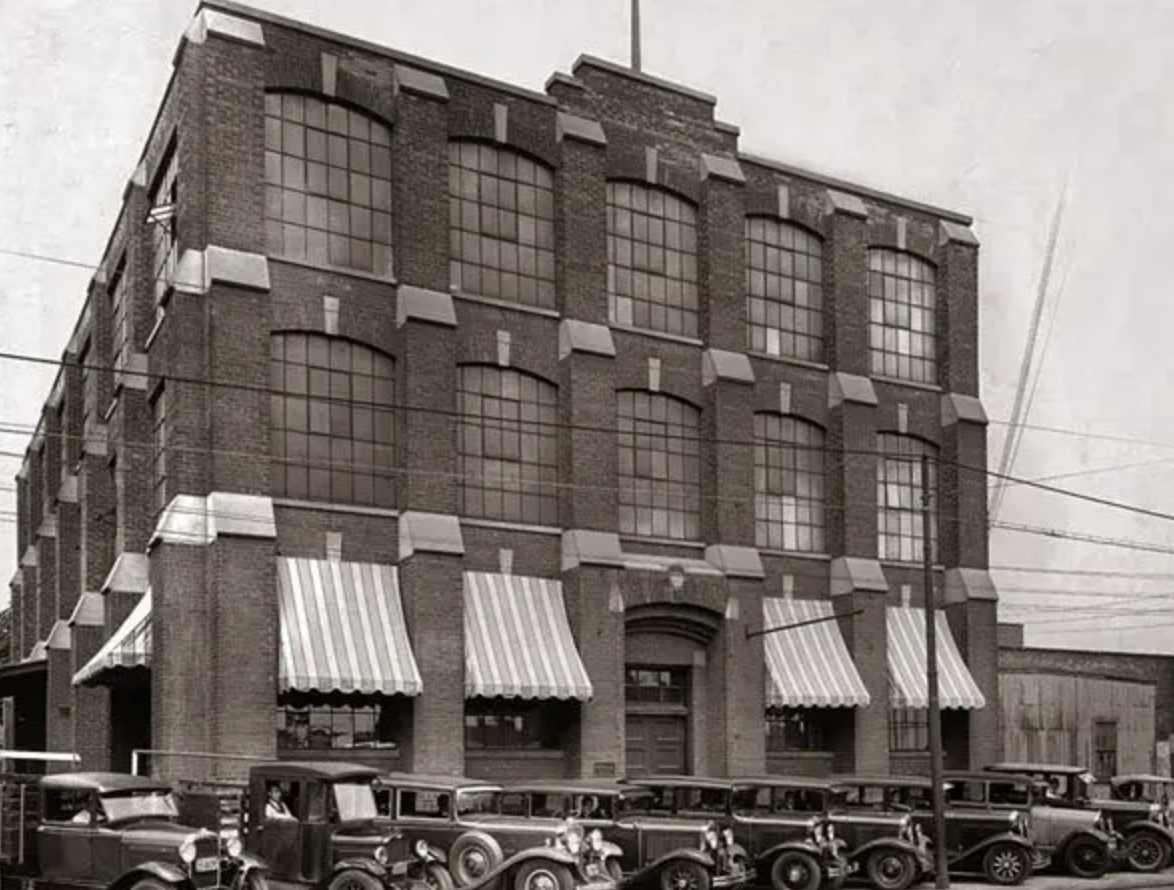
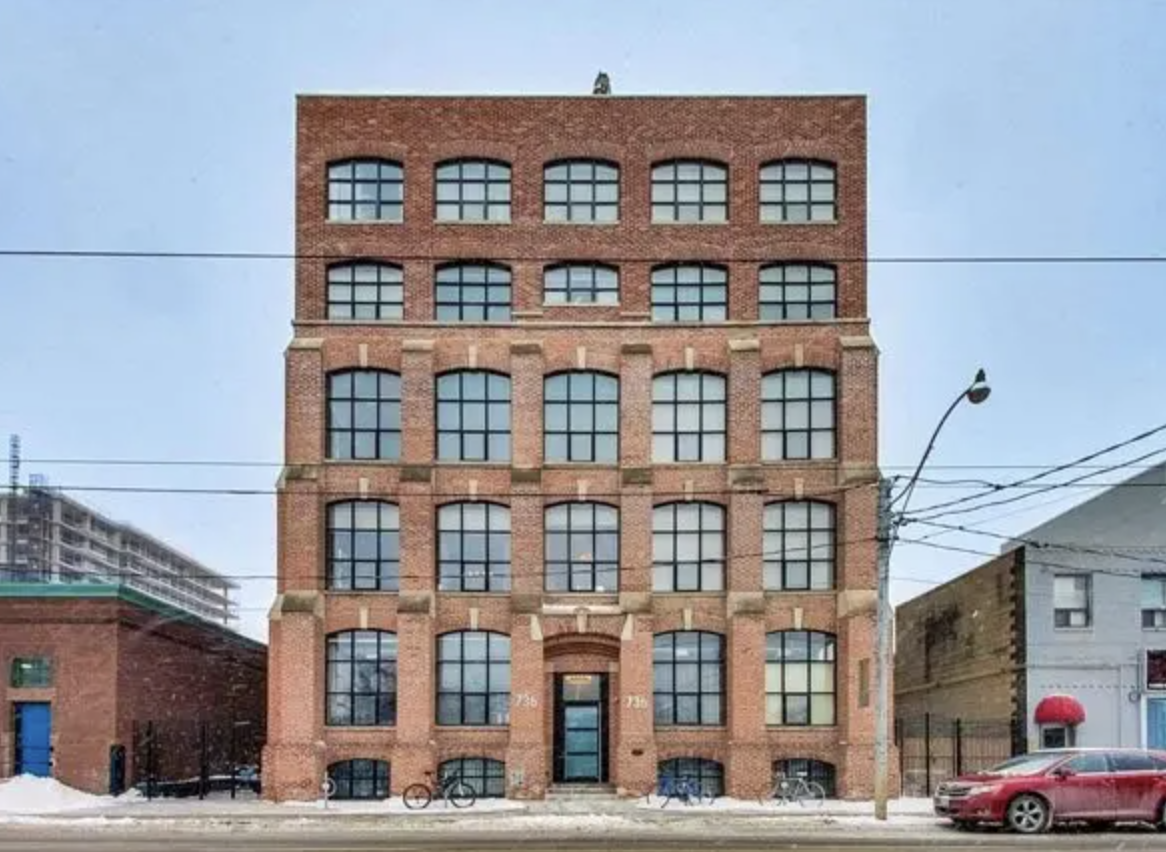
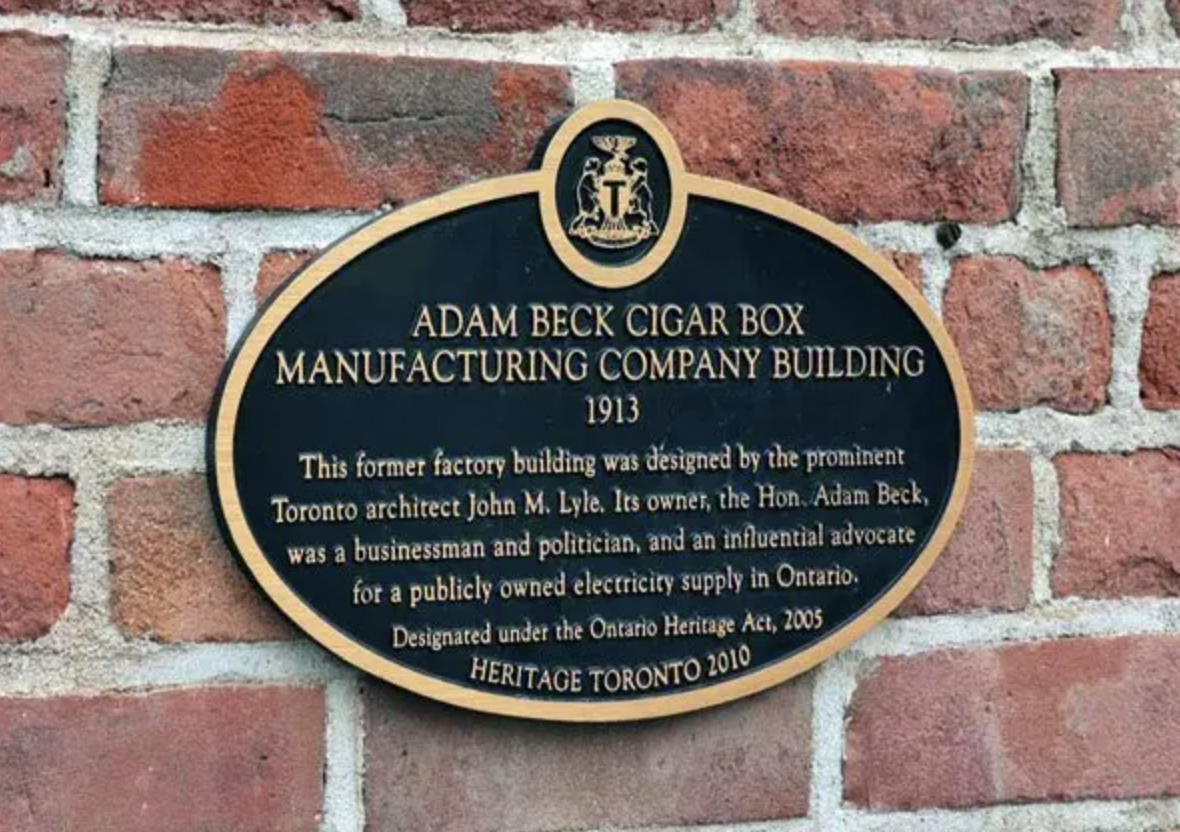
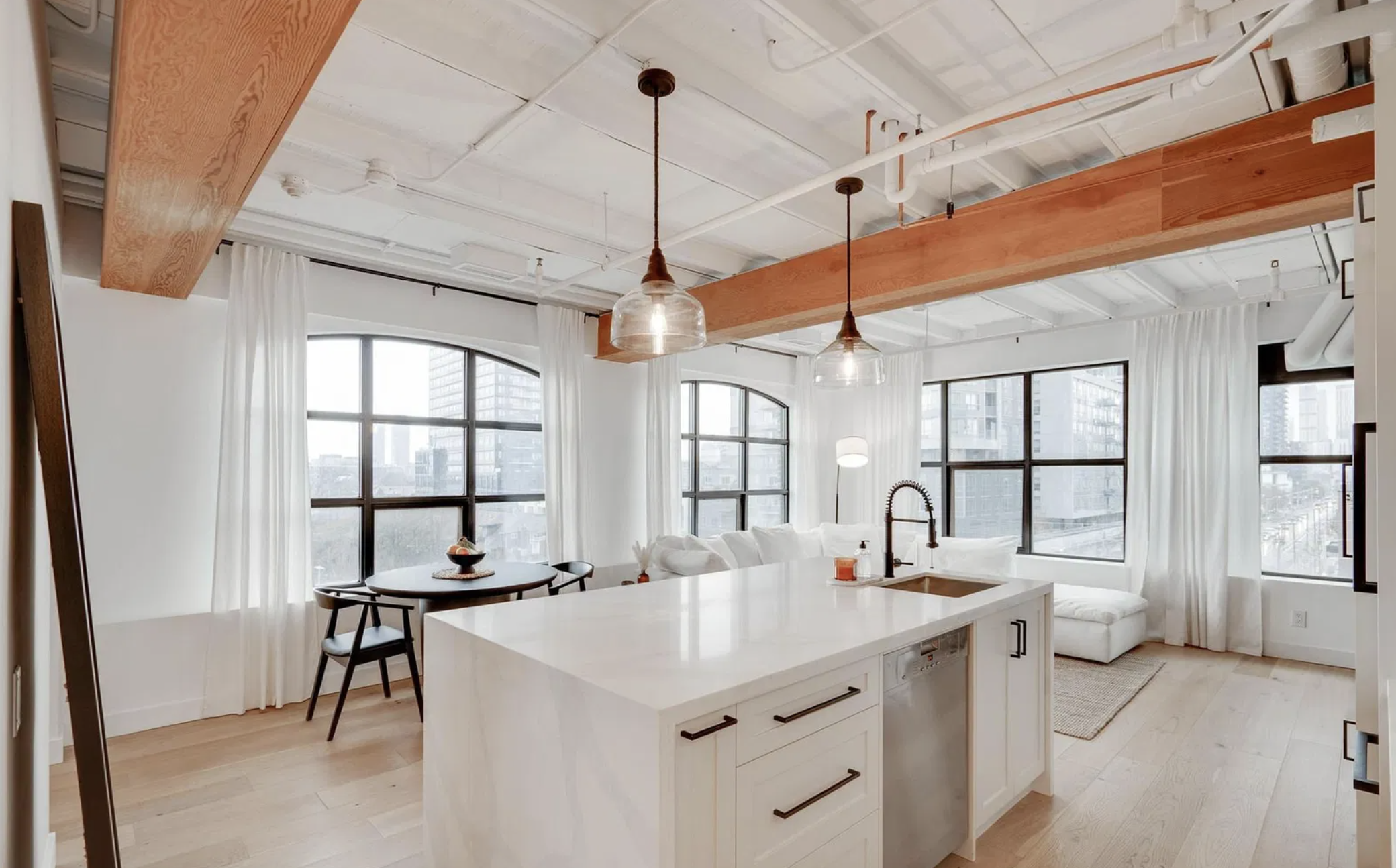
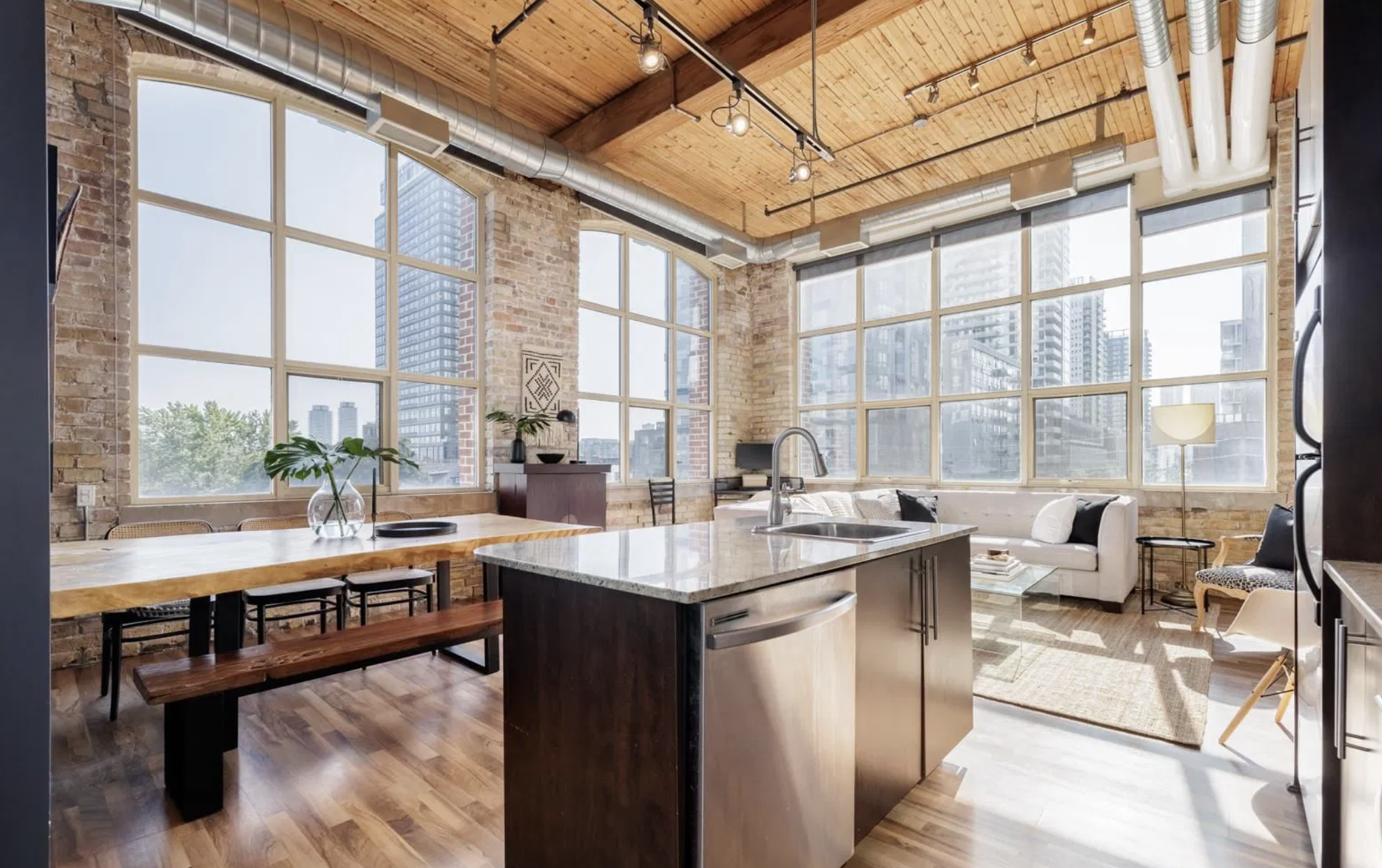
The Tannery Lofts was never a tannery. There is a heritage plaque on the building that acknowledges this fact directly, which takes a certain confidence. The property was first developed in 1910 as a single-storey tannery for Harry B. Johnston, a tenant to the building's eventual owner, the politician Adam Beck, the same Adam Beck who championed public electricity in Ontario and whose name still graces several highways and arenas across the province. When Beck expanded on the site, he built not a tannery but a cigar box manufacturing company. Construction was completed in 1913 by architect John M. Lyle, who later designed Union Station. The building also operated as a soap factory in later years before Urbancorp converted it to 45 boutique loft units in 2007.
What makes the Tannery work architecturally is the combination of scale and restraint. The original three-storey brick structure has 13-foot timber ceilings, exposed wood posts and beams, sandblasted brick walls, and arched warehouse windows. A seamlessly blended two-storey addition extends the building upward with matching brick and matching window rhythm, and you almost miss it if you are not looking. Four penthouse units on the top floors have private rooftop terraces. Some ground-floor units have private patios tucked along the building's west side.
At seven storeys and 45 units, Tannery is boutique enough to feel community-oriented without being so small that resale becomes unpredictable. Units are primarily one-bedroom open-concept layouts between 500 and 900 square feet, with some two-storey units available. The building carries no gym and no party room, which keeps maintenance fees reasonable and attracts buyers who genuinely want the loft rather than the amenity package around it.
At $828 per square foot, the Tannery is the most underpriced building on this list relative to its architectural pedigree. Designed by the architect of Union Station, converted with genuine restraint, and located in a neighbourhood that is repricing as Regent Park matures. The gap between what this building is and what the market pays for it will not stay this wide.
KEY FACTS
//
KEY FACTS //
Original Use: Adam Beck Cigar Box Manufacturing Company
Built: 1913
Converted: 2007
Storeys: 7 (3 original + seamless addition)
Units: 48
Unit Size Range: 00 sqft – 900 sqft (some two-storey units)
Market Personality:
Boutique east-end hard loft with architect pedigree, heritage character, and low maintenance fees. Location perception has lagged behind the actual product quality, and historically that is where smart buyers win.
Buyer Profile:
Urban professionals and design-aware first-time hard loft buyers who want true brick-and-beam character in a manageable building without paying Carlaw Avenue premiums.
Architectural Details:
• 13 ft timber ceilings (original floors)
• Exposed wood posts and beams
• Sandblasted brick walls and arched warehouse windows
• Wood slat ceilings and hardwood floors
• Blended two-storey addition with matching brick and windows
• Penthouse rooftop terraces on 4 units
Amenities:
• Bike Storage
• Private rooftop terraces (penthouse units)
• Ground-level patios
• Steps to Regent Park Aquatic and Arts Centre
EVENING TELEGRAM LOFTS
📍 264 Seaton St
Neighbourhood: Cabbagetown / South Corktown
Avg $757 per square foot

BUILDING HISTORY & LOFT DETAILS
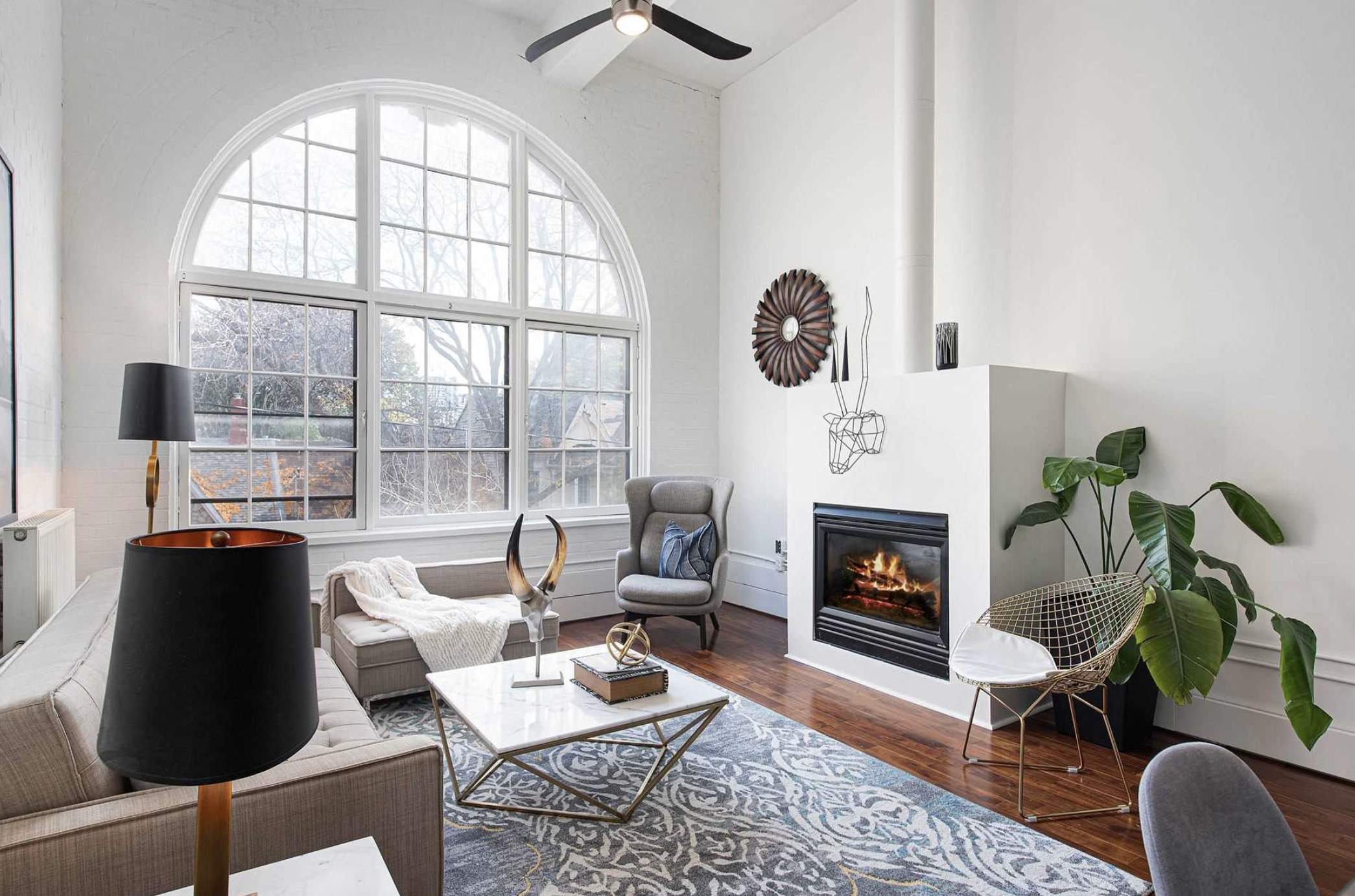
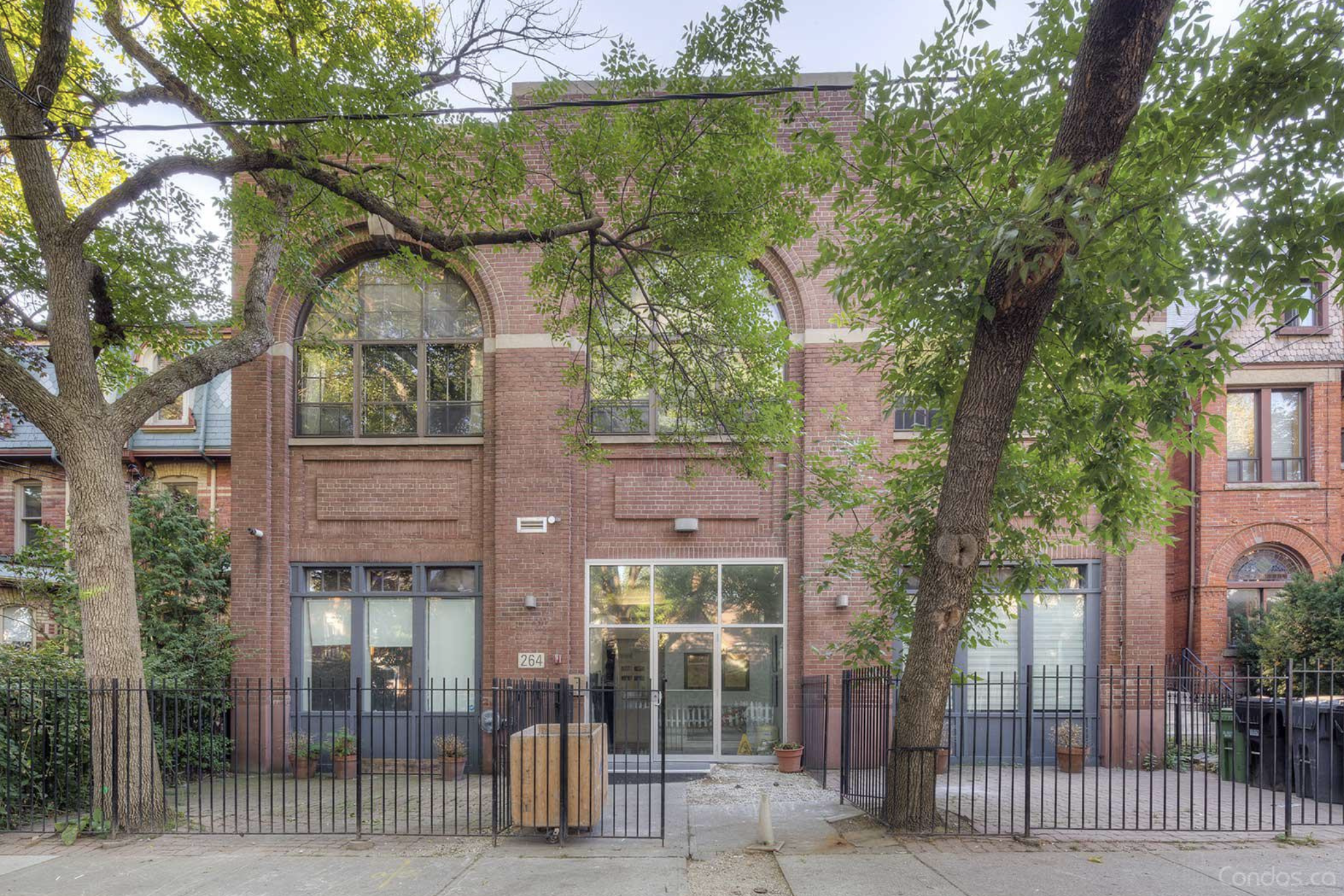
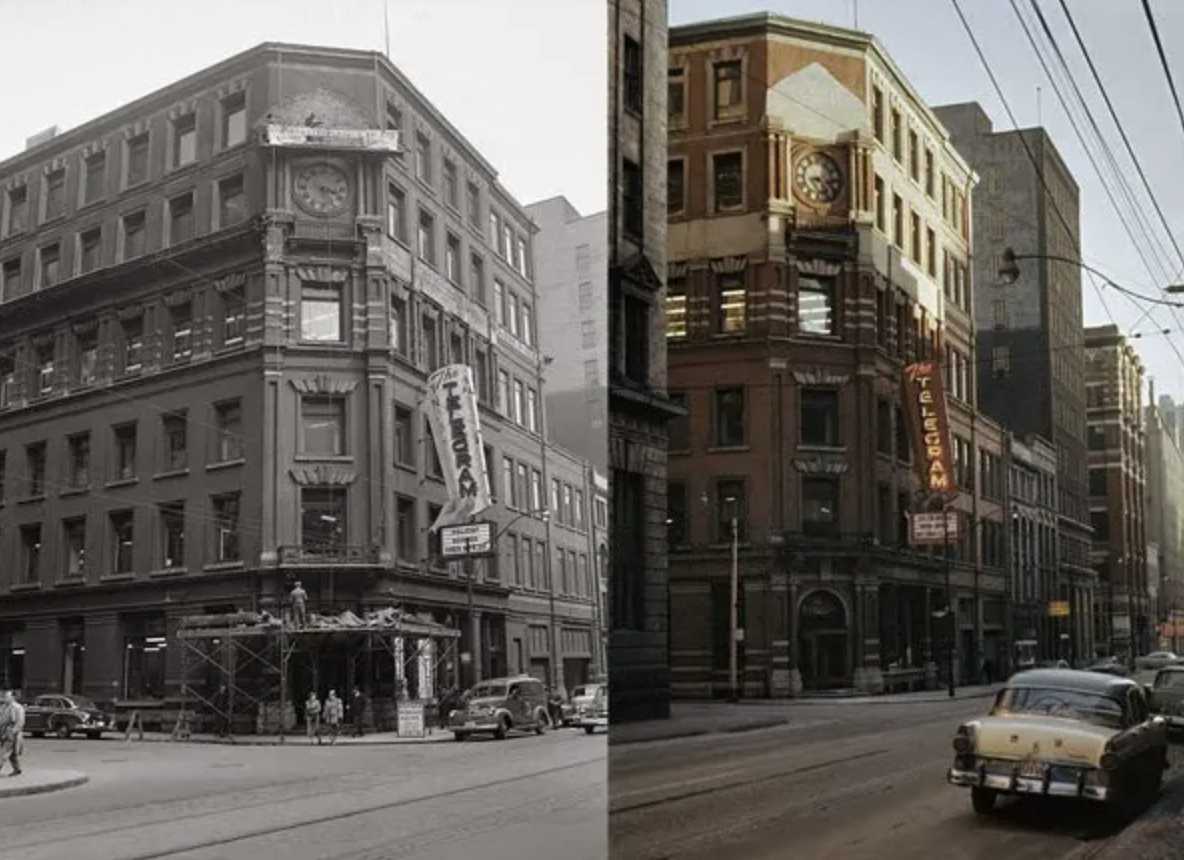
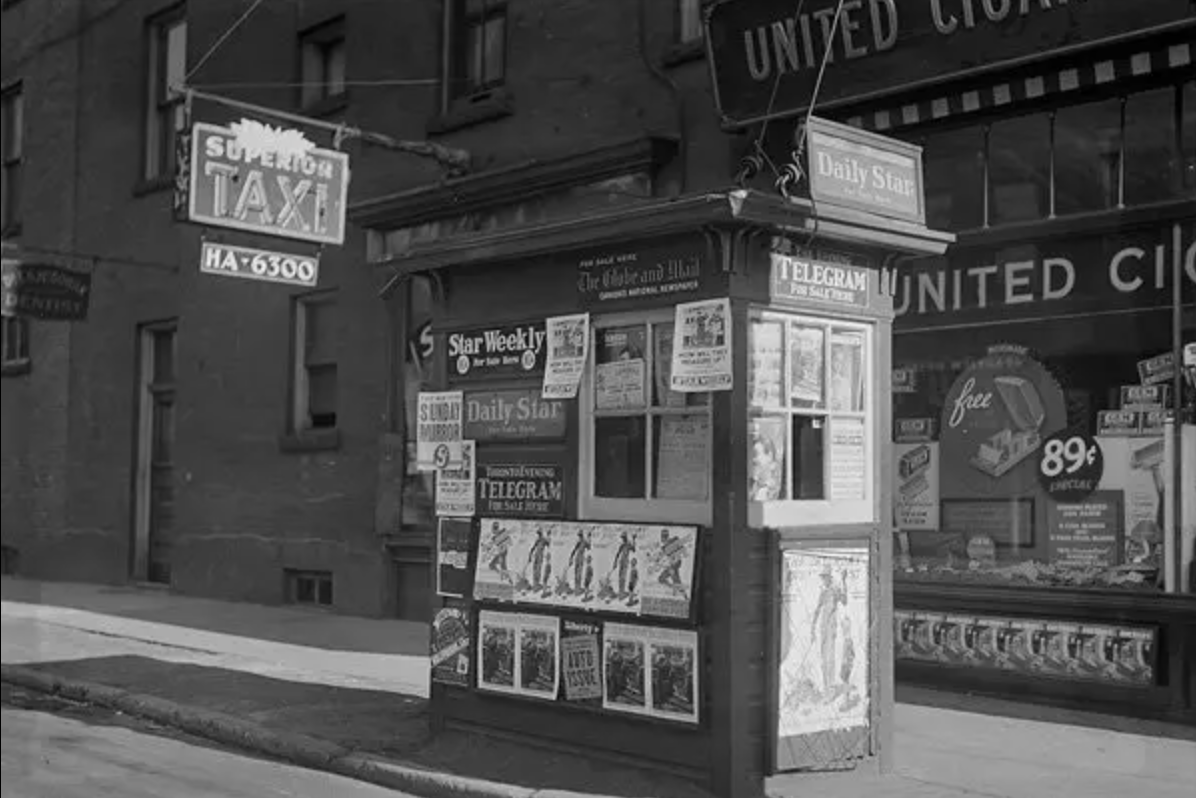
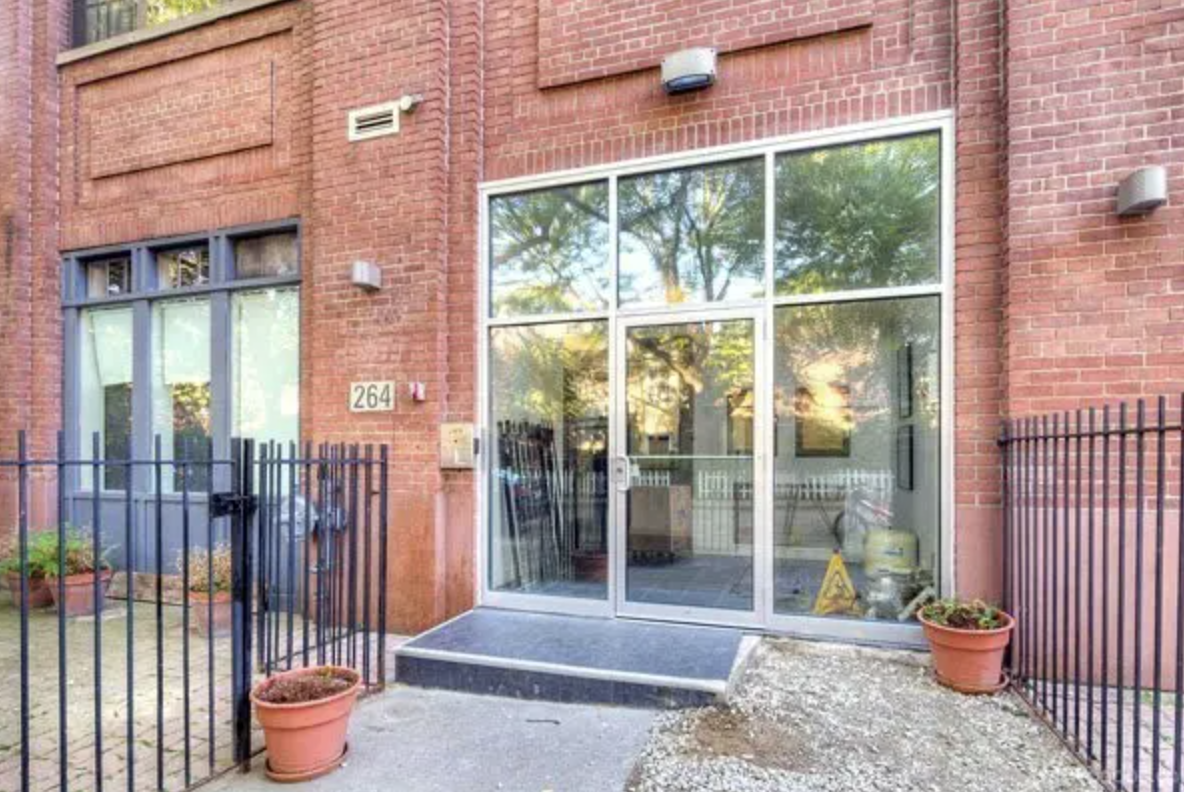
The Evening Telegram Lofts take their name from the Toronto Evening Telegram, a newspaper that published from 1876 until 1971, when it was folded and its former staffers founded the Toronto Sun. The building at 264 Seaton Street, however, has no confirmed direct association with the Telegram's operations, a fact that the Jeffrey Team, who have researched the building extensively, acknowledge openly. What is confirmed is that the 1930s structure served as a 16,000-square-foot office and studio rental space until the late 1990s, when it was purchased and retrofitted into 10 loft residences in 2001.
Ten units. That number tells you almost everything you need to know about how this building trades.
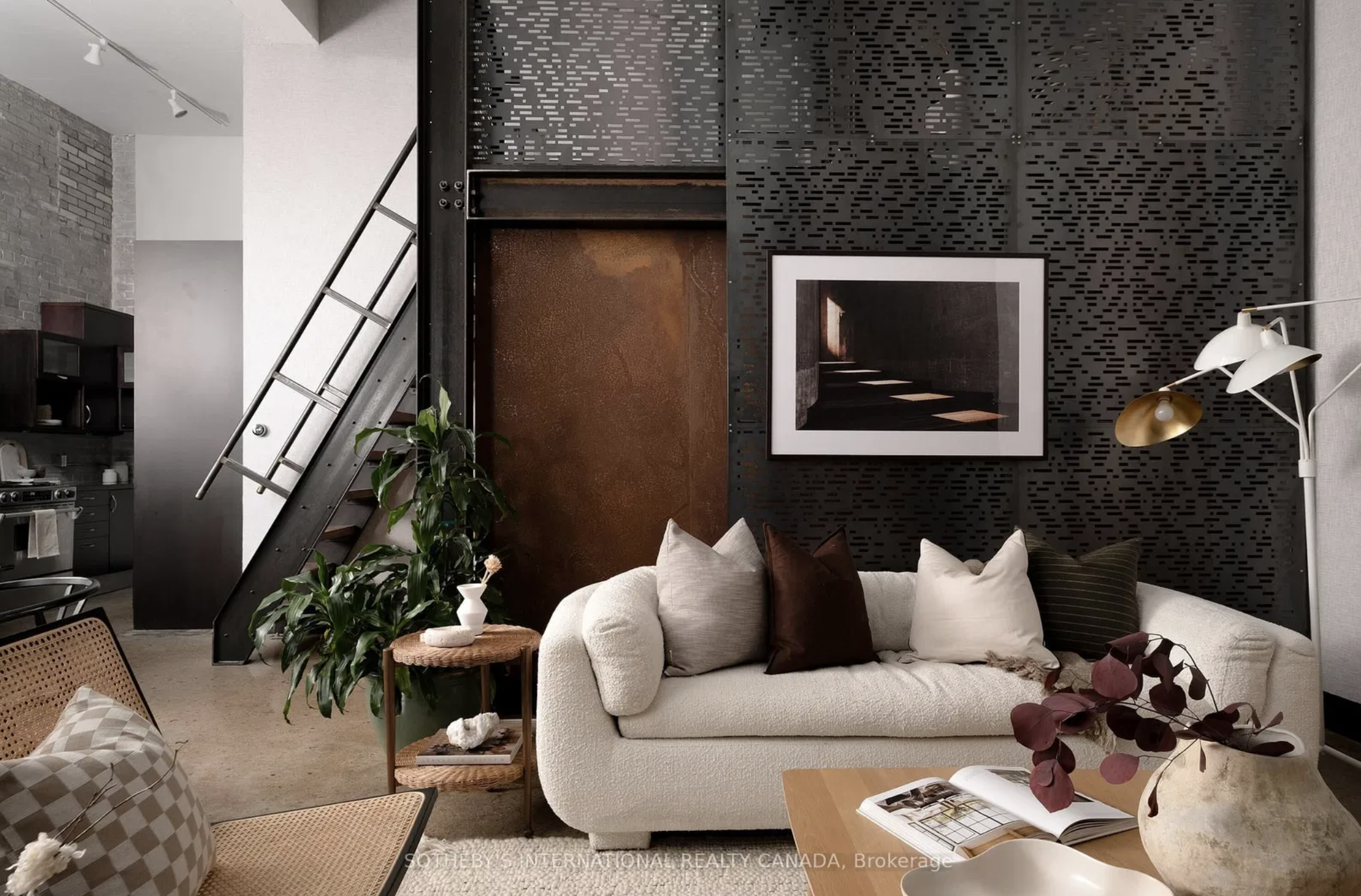
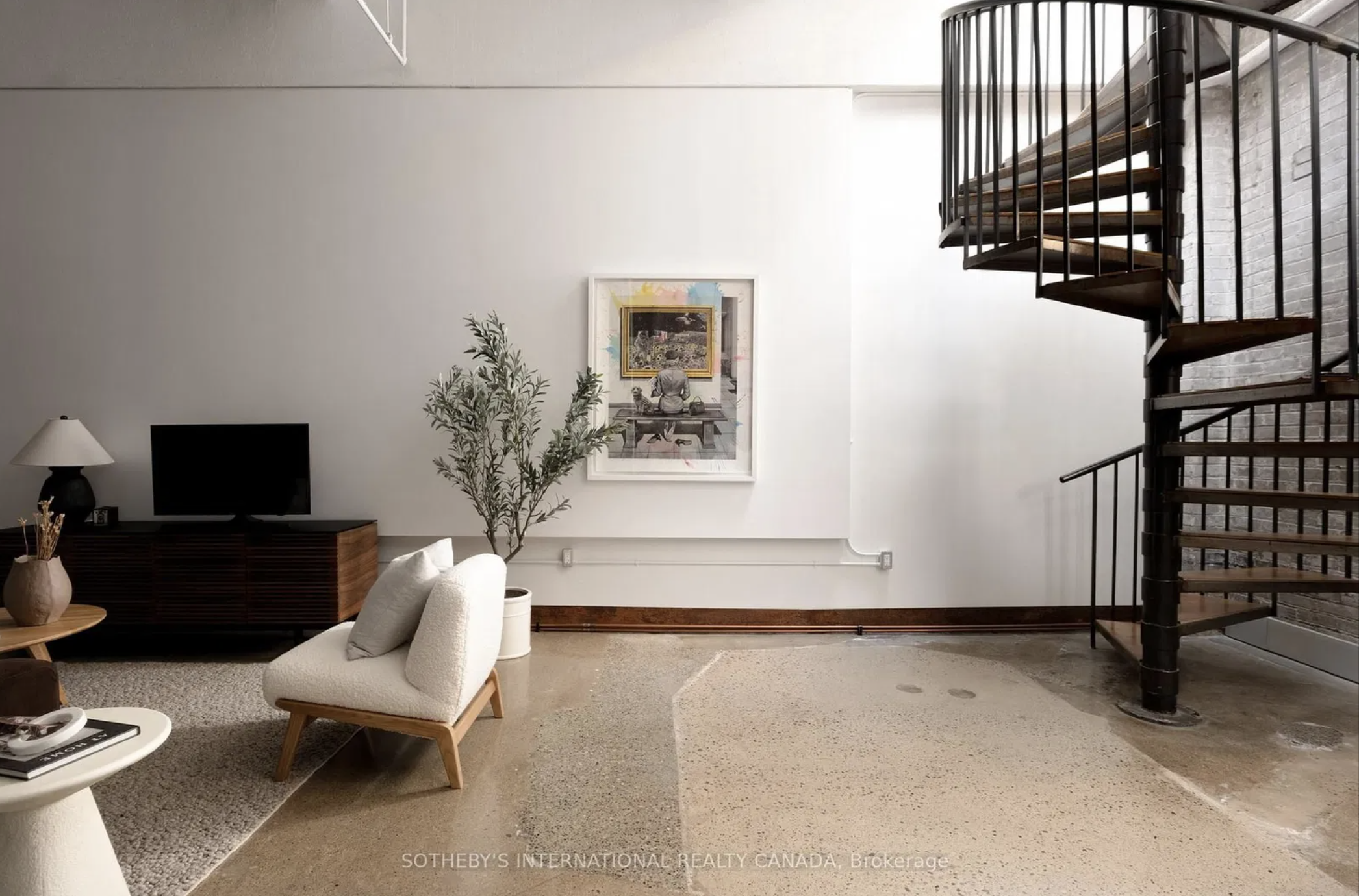
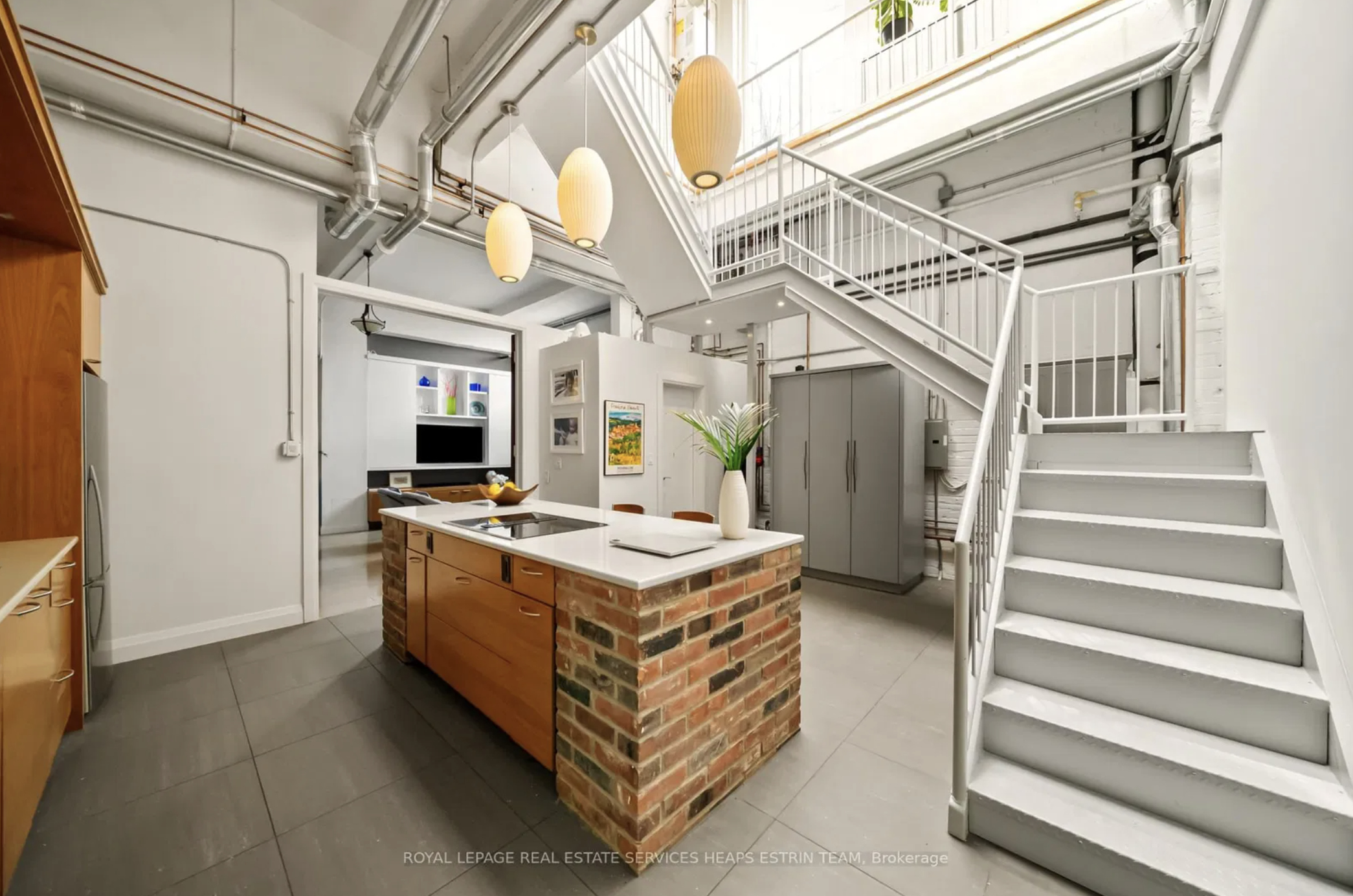
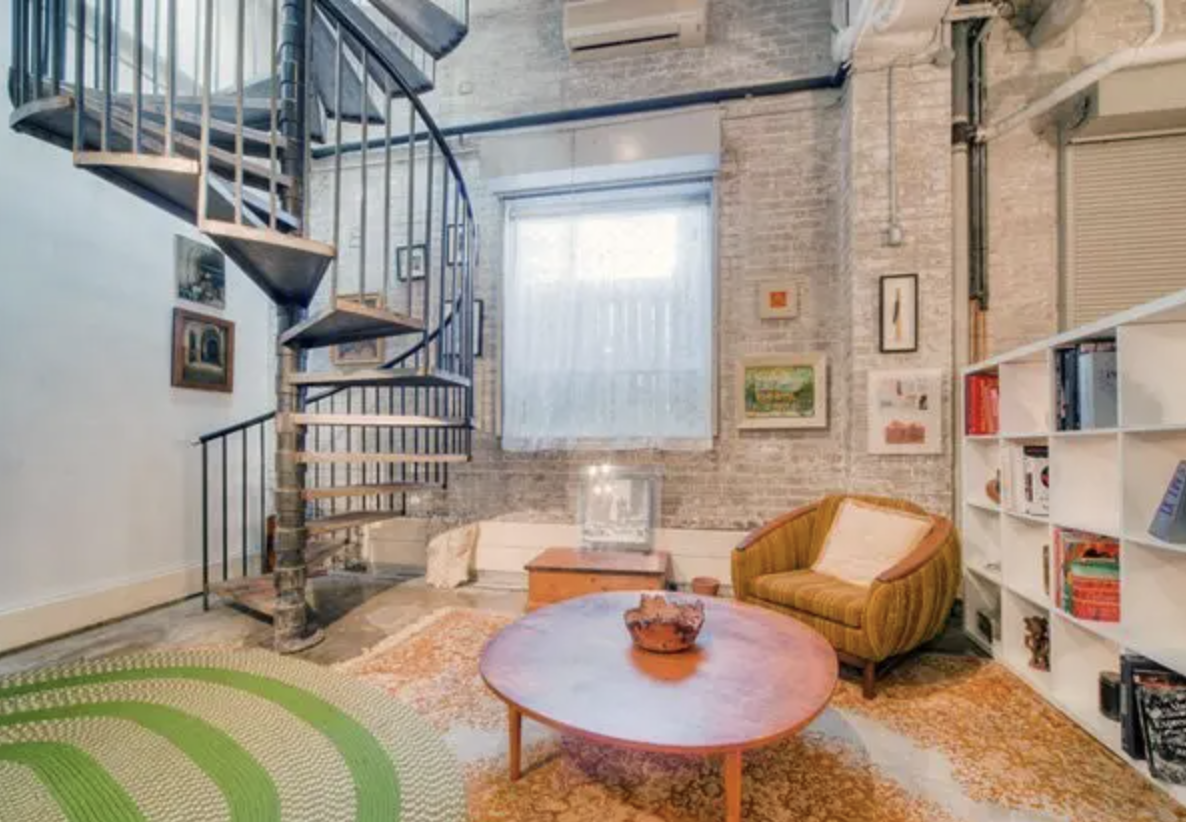
The semi-circular arched windows on the Seaton Street face are the architectural detail that defines the building from the street, appearing in the front-facing lofts with a drama that most converted warehouses cannot achieve. Ceilings are high and lofty throughout. Select units have private rooftop terraces. One unit, the kind buyers remember for years after a showing, features a spiral staircase between levels. Some units have multi-level configurations. No onsite parking, though street permits are available.
Seaton Street is a quiet, architecturally interesting pocket of south Cabbagetown that benefits from proximity to both Corktown Common and the Distillery District without absorbing the foot traffic of either. Pricing here is driven by scarcity and by the calibre of buyers who seek out a 10-unit building on purpose.
At $757 per square foot, the Evening Telegram sits at the bottom of this list on price but not on character. Ten units, a spiral staircase, semi-circular arched windows, and a quiet street two blocks from the Distillery District. The number reflects thin sales data as much as it reflects value. When the right unit comes up here, the right buyer pays whatever it takes.
*Limited sales volume due to ultra-low unit count. Directional average
KEY FACTS
//
KEY FACTS //
Architectural Details:
• Distinctive semi-circular arched windows
• Multi-level configurations in select units
• Spiral staircase in select units
• Private rooftop terraces on select units
• High lofty ceilings throughout
Amenities:
• Secure entry
• Bike storage
• Street permit parking
Original Use: Office and studio rental facility
Built: 1930
Converted: 2001
Storeys: 2
Units: 10
Unit Size Range: 567 sqft - 2985 sqft
Market Personality:
Ultra boutique. Trades on scarcity, architectural character, and quiet street presence. When a unit appears, the buyer is always intentional.
Buyer Profile:
Established buyers who have already lived in lofts and now want something smaller, quieter, more specific, and impossible to replicate.
FINAL THOUGHTS: WHAT BUYERS ARE REALLY PAYING FOR
Hard loft pricing on the east side tells a different story than the west end, and that difference is worth understanding.
On the west side, premium pricing clusters around Queen West's brand power and Roncesvalles' neighbourhood prestige. Buyers pay for address association as much as architecture. On the east side, the top buildings trade on a combination of genuine rarity, architectural credibility, and neighbourhood trajectory. And the numbers have a surprise in them: a 38-unit vinegar factory on River Street leads the entire list at $1,096 per square foot, beating the CBC building, beating Broadview, and beating every building on Carlaw. Location plus scarcity plus Edwardian bones is a combination the market is clearly willing to pay for.
The Carlaw corridor tells its own story. Three buildings, Printing Factory, i-Zone, and Wrigley, all trading within $120 of each other per square foot, each with distinct histories and distinct buyer profiles, creating a self-reinforcing loft market that maintains pricing floors in a way that isolated buildings never could. No comparable street exists in the west end.
At the bottom of the list, the Tannery and the Evening Telegram are not here because their buildings are weak. They are here because location perception moves slower than architectural quality. The Tannery was designed by the architect of Union Station. The Evening Telegram has 10 units and a spiral staircase. The gap between what those buildings are and what the market currently prices them at is where value lives.
For sellers in any of these buildings, positioning matters as much as pricing. Not every buyer knows that the CBC's creative legacy lives in a concrete warehouse on Sumach Street. Not every buyer knows that the first legal loft conversion in Toronto was done by the same developer who built the Glebe Lofts. Building-specific knowledge is not a nice-to-have in this market. It is the difference between a listing that performs and one that sits.
The east end earned its loft reputation the same way the west side did. One factory, one warehouse, one chewing gum plant at a time.
THINKING OF BUYING OR SELLING A HARD LOFT IN 2026?
Hard lofts don't trade like typical condos. Ceiling height, layout, heritage status, buyer pool, and building reputation all change how value is created and protected.
If you're thinking of buying a hard loft in Toronto's east end, or getting ready to sell, the building you're in matters as much as the market you're selling into.
👉 Book a loft strategy call
👉 Request a custom building-level analysis
👉 Send me the loft you’re eyeing
Lofts are niche. Strategy shouldn’t be generic.